What Fruits And Vegetables Can Rabbits Eat? 19 Safe Fruits
Complete guide to nutritious produce your rabbit can safely eat and enjoy.
What Fruits and Vegetables Can Rabbits Eat?
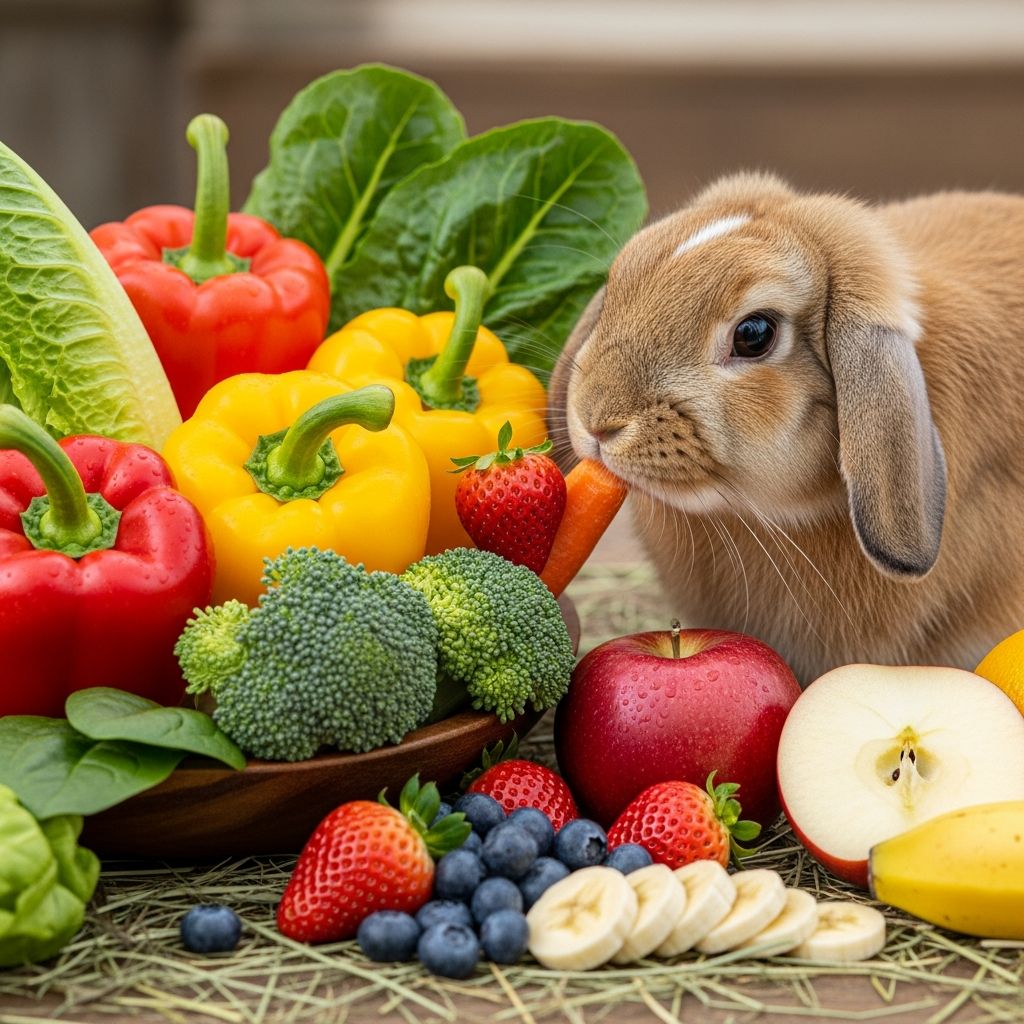
While most people know that rabbits can eat carrots, few realize there’s an extensive list of both fruits and vegetables your rabbit can safely consume. Rabbits love fresh produce, and these foods can serve as both nutritious treats and dietary supplements when offered appropriately. However, it’s essential to understand that fruits and vegetables should complement a rabbit’s diet rather than replace their primary nutrition sources. A well-balanced diet is crucial for maintaining your rabbit’s health and preventing digestive issues.
Understanding what your rabbit can and cannot eat is fundamental to responsible pet ownership. Just as certain foods are beneficial, others can pose serious health risks or even prove fatal. This comprehensive guide explores the variety of safe options available to your rabbit while highlighting the foods you should avoid.
Safe Vegetables for Rabbits
Vegetables form an important part of a rabbit’s daily diet and should be offered fresh and thoroughly washed before serving. Most rabbits enjoy a variety of vegetables, and rotating different options keeps their diet interesting and ensures they receive diverse nutrients.
Leafy Greens and Dark Vegetables
Leafy greens should make up a significant portion of your rabbit’s fresh vegetable intake. These vegetables are nutrient-dense and relatively low in calories, making them ideal for regular feeding. Consider offering a mix of these options:
- Alfalfa sprouts
- Arugula
- Basil
- Beet greens
- Bok Choy
- Chicory
- Cilantro
- Collard greens
- Dandelion greens
- Dill leaves
- Endive
- Escarole
- Frisée lettuce
- Kale
- Mache
- Mint
- Mustard greens
- Parsley
- Radicchio
- Radish tops
- Red or green leaf lettuce
- Romaine lettuce
- Spinach
- Spring greens
- Swiss chard
- Turnip greens
- Watercress
- Wheatgrass
Other Safe Vegetables
Beyond leafy greens, rabbits can enjoy numerous other vegetables that provide variety and nutritional benefits:
- Artichoke
- Asparagus
- Bell peppers (all colors)
- Broccoli (in moderation)
- Brussel sprouts (in moderation)
- Cabbage
- Carrots
- Celery
- Cucumber leaves
- Cultivated mushrooms
- Edible flowers (dandelions, hibiscus, nasturtiums, pansies, and roses)
- Fennel
- Flat edible Chinese pea pods (without the peas)
- Summer squash
Special Considerations for Certain Vegetables
Chard: While chard is an acceptable dark, leafy green option, it should be fed in small quantities due to its oxalate content.
Flowering Vegetables: Cauliflower and broccoli can cause gas in rabbits and should be offered in very limited quantities. Broccoli stems and leaves are preferable to florets, and a small sampling is acceptable, though the florets themselves should remain restricted.
High-Calcium Vegetables: Spinach and kale are packed with vitamins but contain high levels of oxalates. These should be fed only occasionally to prevent potential bladder issues in rabbits.
19 Fruits Safe for Rabbits
Fruits can be wonderful treats for rabbits, adding variety and natural sweetness to their diet. However, always remember to wash all fruit thoroughly and remove seeds and stems before offering them to your pet. Seeds can pose a choking hazard, and stems may contain harmful compounds.
- Apples
- Apricots
- Blueberries
- Cherries
- Currants
- Kiwis
- Mangos
- Melons
- Nectarines
- Oranges (including the peel)
- Papayas
- Peaches
- Pears
- Pineapples
- Plums (without pits)
- Raspberry leaves
- Star fruit
- Strawberries
- Watermelon (seedless)
Vegetables and Fruits to Avoid
Just as important as knowing what rabbits can eat is understanding what they absolutely should not consume. Some foods commonly enjoyed by humans can be toxic or harmful to rabbits, potentially causing serious health complications or even death.
Foods to Never Feed Your Rabbit
Avocado: Avocados are a fatty fruit containing a fungicidal toxin called persin, which is deadly to rabbits. While this toxin is perfectly safe for humans, it is highly toxic to rabbits. Rabbits that consume avocado may exhibit severe illness or die, depending on the amount ingested.
Legumes (Beans and Peas): Beans, including broad beans and kidney beans, along with peas, are high in carbohydrates. A carbohydrate-heavy diet can lead to obesity and digestive problems, including malabsorption, bloating, and diarrhea. Additionally, beans may present a choking hazard.
Iceberg Lettuce: Iceberg lettuce contains lactucarium, which is harmful to rabbits. This light-colored lettuce is also extremely high in water content while offering minimal nutritional value to your pet. Choose darker lettuce varieties like romaine instead.
Onions and Related Vegetables: You should avoid all vegetables in the onion family, including chives, leeks, and onions themselves. Consumption of these vegetables by rabbits can cause blood abnormalities and serious health issues.
Potatoes: Potatoes are high in calories due to their starch content and provide little nutritional value for rabbits. Feeding potatoes to your rabbit can lead to weight gain, constipation, diarrhea, and gastrointestinal stasis (a serious digestive condition).
Rhubarb: Rhubarb, especially the leaves, is high in oxalic acid and can be harmful to rabbits. The leaves pose a particular risk and should never be offered to your pet.
Tomatoes: While the fruit itself isn’t necessarily toxic, the stems and leaves of tomato plants contain harmful compounds and should be avoided completely.
Dairy Products: Rabbits are lactose intolerant and cannot digest milk, cheese, or yogurt. These products should never be offered to your rabbit.
Bread and Grains: High in carbohydrates, bread can upset your rabbit’s digestive balance and should be avoided.
Meat and Protein Products: As strict herbivores, rabbits cannot process animal products and should never be fed meat of any kind.
Chocolate: Chocolate is toxic to rabbits, just as it is to dogs and cats. It should never be given to your pet under any circumstances.
Raisins and Dried Fruits: These concentrated fruits can cause kidney damage in rabbits and should be avoided.
Helpful Feeding Tips for Rabbits
Organic Produce is Best
When possible, choose organic fresh produce over conventional options. Organic produce contains less pesticide residue, which may affect your rabbit’s gut microbiome. Additionally, organically grown vegetables often have higher nutrient density due to richer soil content. This means your rabbit receives increased nutrition while experiencing decreased exposure to pesticides, fungicides, and herbicides. The investment in organic produce can contribute significantly to your rabbit’s overall health and wellness.
Proper Washing and Preparation
Always thoroughly wash all fresh produce before offering it to your rabbit, regardless of whether it’s organic or conventional. This removes dirt, potential pesticide residues, and other contaminants. For fruits, remove all seeds and stems before serving. For vegetables with harder exteriors, such as carrots, gentle scrubbing may be necessary to remove soil completely.
Portion Sizes and Frequency
While fruits and vegetables are nutritious, they should supplement rather than replace your rabbit’s primary diet. The ideal rabbit diet consists of approximately 80% hay, 10% fresh vegetables, and less than 5% fruits as treats. Fresh produce should be introduced gradually to allow your rabbit’s digestive system to adjust. Start with small portions and monitor your rabbit’s response before increasing amounts.
Introducing New Foods
When introducing new vegetables or fruits to your rabbit’s diet, do so gradually over several days. Sudden dietary changes can cause digestive upset, bloating, or diarrhea. Introduce one new food at a time so you can identify if any particular vegetable or fruit causes digestive issues.
Monitoring Your Rabbit’s Health
Pay close attention to your rabbit’s response to new foods. Watch for signs of digestive upset such as decreased appetite, soft stools, or lethargy. If your rabbit exhibits any of these symptoms after consuming a particular food, remove that food from their diet and consult with a veterinarian if symptoms persist.
Frequently Asked Questions
Q: Can rabbits eat carrots every day?
A: While carrots are safe for rabbits, they are relatively high in sugar and should be offered as treats rather than daily staples. Carrots can be included several times per week as part of a varied diet of vegetables and hay.
Q: How much fruit should I give my rabbit?
A: Fruits should comprise less than 5% of your rabbit’s daily diet due to their sugar content. Offer small portions, such as a few blueberries or one strawberry, just one or two times per week. Overweight rabbits should receive no fruit at all.
Q: Can rabbits eat frozen vegetables?
A: Yes, frozen vegetables are acceptable as long as they contain no added salt, sugar, or preservatives. Thaw them before serving to prevent digestive upset from consuming cold food directly.
Q: What should I do if my rabbit eats something toxic?
A: If your rabbit accidentally consumes a toxic food, contact your veterinarian immediately. Provide information about what was eaten and when. Time is critical in many poisoning cases, and veterinary intervention may be necessary.
Q: How do I know if my rabbit’s diet is balanced?
A: A balanced rabbit diet should include unlimited timothy hay, a variety of fresh vegetables daily, limited fruits as treats, and high-quality pellets. Consult with a rabbit-knowledgeable veterinarian to ensure your specific rabbit’s dietary needs are being met.
Q: Are there seasonal vegetables I should offer my rabbit?
A: Yes, seasonal vegetables often provide optimal nutrition when they’re in season. Spring and summer offer abundant leafy greens, while fall provides squashes and other harvest vegetables. Varying your rabbit’s diet with seasonal produce adds nutritional diversity.
Q: Can baby rabbits eat the same vegetables as adults?
A: Baby rabbits have more sensitive digestive systems and should be introduced to vegetables more gradually. Start with small amounts of mild vegetables and increase variety slowly. Consult with a veterinarian for specific guidance on your baby rabbit’s diet.
Conclusion
Providing your rabbit with a varied diet of safe, fresh fruits and vegetables is an excellent way to promote health, happiness, and longevity. With dozens of safe options available, you can create an interesting and nutritious feeding plan that keeps your rabbit engaged and satisfied. Remember that moderation is key, and fresh produce should always supplement rather than replace the hay and pellets that form the foundation of a rabbit’s diet. By avoiding toxic foods and following these guidelines, you’ll ensure your furry friend receives optimal nutrition while enjoying the treats they love.
References
- What Fruits and Vegetables Can Rabbits Eat? — Chewy Education. 2024. https://www.chewy.com/education/small-pet/rabbit/fruits-vegetables-safe-for-rabbits
- Best Vegetables for Rabbits: A Healthy Diet Guide — Rabbit.org. 2024. https://rabbit.org/care/fruits-vegetables/
- Feeding your rabbits — PDSA (People’s Dispensary for Sick Animals). 2024. https://www.pdsa.org.uk/pet-help-and-advice/looking-after-your-pet/rabbits/feeding-your-rabbits
- House Rabbit Diet — Adelphi University. 2024. https://home.adelphi.edu/~tw17718/Diet.html
- Safe Foods for Rabbits: What’s on the Menu? — Rabbit Hole Hay. 2024. https://www.rabbitholehay.com/blogs/rabbit-hole-hay-blog/bunny-food-list-which-fruits-vegetables-and-herbs-are-safe
- Vegetables and Fruits for Bunnies — Zooh Corner Rabbit Rescue. 2024. https://www.mybunny.org/info/rabbit-diet-and-nutrition/vegetables-and-fruits-for-bunnies/
Similar Articles








Read full bio of medha deb