

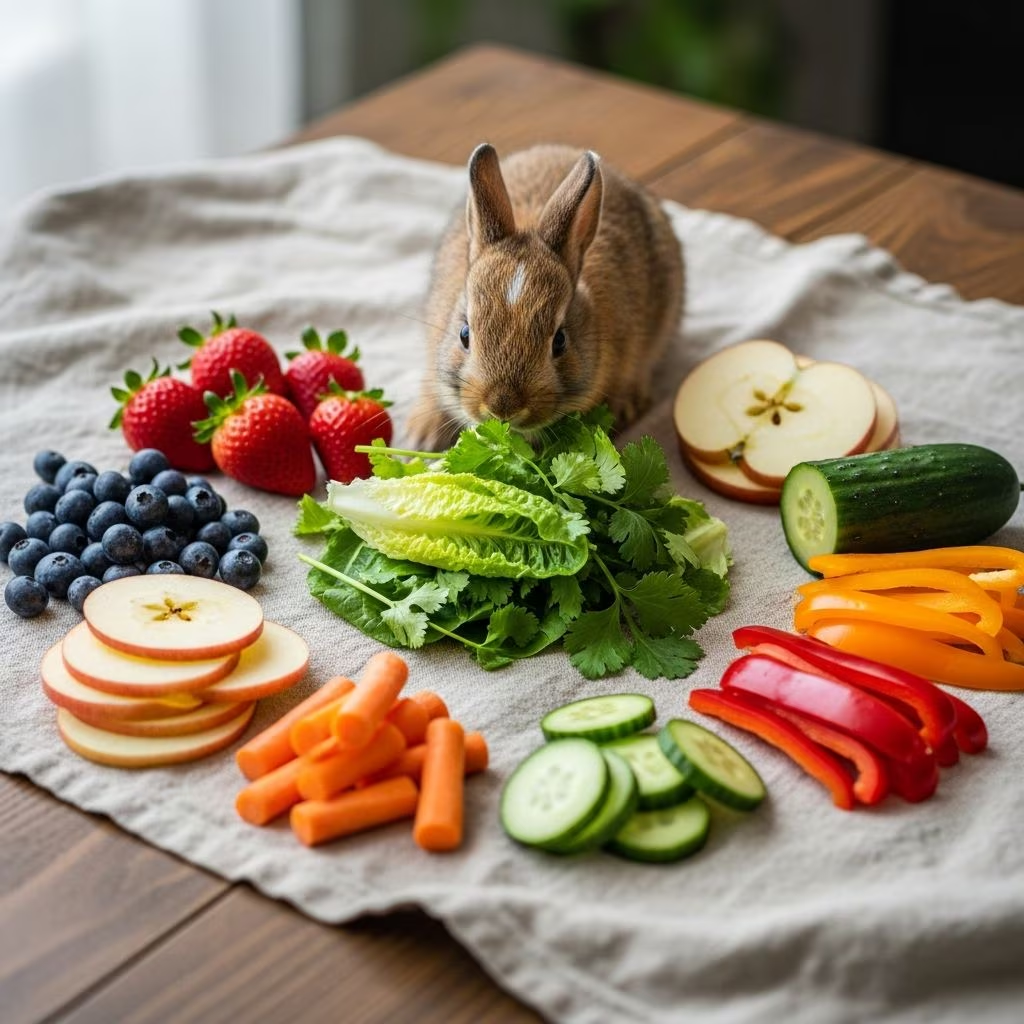
Rabbits thrive on a diet rich in fiber from hay, supplemented with fresh produce to provide essential vitamins, minerals, and hydration. Incorporating the right fruits and vegetables ensures digestive health, prevents obesity, and promotes natural foraging behaviors. This guide details safe options, feeding amounts, and precautions based on expert recommendations from animal welfare organizations and veterinary sources.
Building a Balanced Rabbit Diet Foundation
A proper rabbit diet prioritizes unlimited access to timothy or meadow hay, which should comprise about 80-90% of their intake for dental wear and gut motility. Fresh vegetables make up 10-15%, focusing on leafy greens, while fruits serve as occasional treats under 5% to avoid sugar overload. Pellets provide concentrated nutrition but should not exceed 5% daily. This structure mimics wild grazing, reducing risks of gastrointestinal stasis, a common life-threatening issue in pet rabbits.
Introduce new foods gradually over a week to monitor for soft stools or diarrhea, indicators of digestive intolerance. Always wash produce thoroughly to remove pesticides, and opt for organic when possible to minimize chemical exposure that could disrupt gut flora.
Essential Leafy Greens for Daily Nutrition
Leafy greens form the core of vegetable offerings due to their high fiber, low calorie content, and nutrient density. Aim for 1-2 cups per 2 pounds of body weight daily, divided into 3-6 varieties to ensure broad nutrition and prevent selective feeding. Darker greens like kale and collards offer superior vitamins A, C, and K compared to pale lettuces.
- Kale: Nutrient-packed but use sparingly (2-3 times weekly) due to calcium content that may contribute to bladder stones in excess.
- Collard greens: Excellent calcium source; rotate with others for balance.
- Romaine lettuce: Hydrating and fiber-rich; avoid iceberg, which lacks nutrition and contains lactucarium, a mild sedative harmful in quantity.
- Spinach and Swiss chard: High in oxalates; limit to 1-2 times weekly to prevent urinary issues.
- Parsley and cilantro: Flavorful herbs boosting vitamin C; safe in moderation.
- Dandelion greens: Pesticide-free wild option mimicking natural diet.
Variety prevents nutritional gaps; for example, a 6-pound rabbit might receive a loose pile equaling half its body size in mixed greens daily.
Non-Leafy Vegetables: Moderation is Key
These provide texture variety and additional nutrients but are higher in starches or sugars, so limit to 1 tablespoon per 2 pounds body weight daily. Rotate four or more types to maintain interest and health.
| Vegetable | Frequency | Benefits | Notes |
|---|---|---|---|
| Broccoli (leaves/stems) | Daily small amounts | Vitamin C, fiber | Avoid florets; can cause gas if overfed. |
| Carrots | 2-3 times weekly | Vitamin A | Tops preferred over roots for lower sugar. |
| Bell peppers | Daily | Vitamin C | Any color; remove seeds. |
| Celery | Daily | Hydration | Chop finely to prevent choking. |
| Zucchini/summer squash | Daily | Low calorie | Skin edible for fiber. |
Roots like parsnips or beetroot store energy as sugars, so use as infrequent treats.
Treat-Worthy Fruits: Small Portions, Big Impact
Fruits delight rabbits with sweetness but risk fermentation, obesity, and dental issues if overfed. Limit to 1-2 teaspoons per 2 pounds body weight, 1-2 times weekly. Remove pits, seeds, and stems, as some contain cyanide.
- Berries (strawberries, blueberries, raspberries): Antioxidant-rich; small handfuls ideal.
- Apple (no seeds): Hydrating; slice thinly.
- Pineapple and papaya: Enzymes aid digestion; fresh only.
- Melon/watermelon: High water content; rind okay in moderation.
- Banana/grapes: Very sugary; tiny slivers 2-3 times monthly max.
For a dwarf rabbit under 5 pounds, cap at 1 teaspoon total fruit weekly.
Foods to Strictly Avoid
Certain items pose toxicity, choking, or digestive risks. Always err on caution with unknowns.
- Onions, garlic, leeks: Damage red blood cells.
- Potatoes, beans, seeds: High starch leads to obesity, gas.
- Iceberg lettuce: Low nutrition, potential digestive upset.
- High-oxalate greens (unlimited): Risk kidney stones.
- Chocolate, avocado, rhubarb: Toxic; never feed.
Edible Flowers and Herbs: Natural Foraging Boost
Enhance diet with pesticide-free flowers and herbs for mental stimulation. Safe options include pansies, marigolds, hibiscus, nasturtiums, and roses. Herbs like basil, dill, mint, and rosemary add flavor without excess calories.
Wild plants such as chickweed, plantain, and bramble leaves (blackberry/raspberry) are excellent if sourced safely.
Feeding Schedule and Tips for Success
Divide greens into 2-3 meals daily, separate from fruits to prevent overindulgence. Scatter for foraging to combat boredom. Monitor weight, stool firmness (should be marble-sized, dry pellets), and appetite changes signaling health issues.
- Store uneaten produce in fridge; refresh daily.
- Weigh rabbits monthly; adjust portions for growth or seniors.
- Pregnant/nursing does need 20-50% more veggies.
Common Digestive Issues and Solutions
Gas from brassicas (broccoli, cabbage) resolves with smaller portions. Diarrhea from new foods warrants a hay-only reset for 24 hours. Chronic issues require veterinary checks for parasites or dental problems.
FAQs
Can rabbits eat carrots every day?
No, limit to 2-3 times weekly; prefer tops for lower sugar.
How much greens for a 4-pound rabbit?
About 2 cups leafy greens daily, plus 2 tablespoons non-leafy.
Are fruit seeds safe?
No, remove all; apple/pit seeds contain toxins.
What if my rabbit refuses veggies?
Mix with hay or offer variety; consult vet for picky eaters.
Organic vs. conventional produce?
Organic preferred for reduced pesticides impacting microbiome.
References
- Rabbit Diet – Plants, Vegetables & Fruit — The Rabbit House. Accessed 2026. https://www.therabbithouse.com/diet/rabbit-plants-vegetables-fruits.asp
- Rabbit Diet: What to Feed a Pet Bunny — Best Friends Animal Society. Accessed 2026. https://bestfriends.org/pet-care-resources/rabbit-diet-what-feed-pet-bunny
- Rabbit Feeding — Northwood Animal Hospital. Accessed 2026. https://northwoodanimal.com/rabbit-feeding/
- What Fruits and Vegetables Can Rabbits Eat? — Chewy. Accessed 2026. https://www.chewy.com/education/small-pet/rabbit/fruits-vegetables-safe-for-rabbits
- Welfare of rabbits: the need for a suitable diet — nidirect (UK Government). Accessed 2026. https://www.nidirect.gov.uk/articles/welfare-rabbits-need-suitable-diet
- Feeding Your Pet Rabbit a Healthy Diet — RSPCA. Accessed 2026. https://www.rspca.org.uk/adviceandwelfare/pets/rabbits/diet
- Diet — House Rabbit Society. Accessed 2026. https://houserabbit.org/diet



