

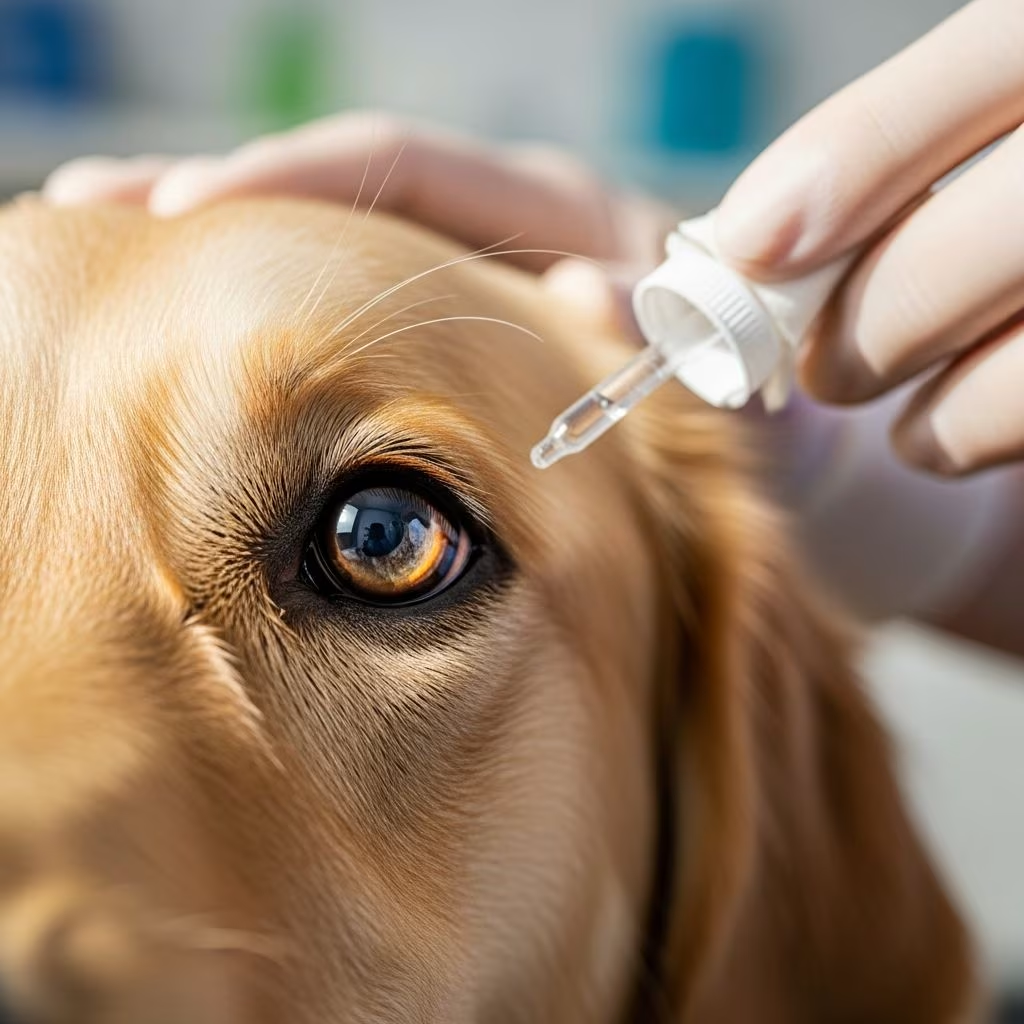
Eye problems in dogs are common and can range from minor irritations to serious infections requiring prompt attention. Understanding how to manage canine eye health, particularly with eye drops, is crucial for pet owners. This guide covers everything from recognizing symptoms to safe treatment options, emphasizing the importance of professional veterinary input.
Recognizing Common Canine Eye Issues
Dogs experience various eye conditions that may necessitate treatment. Symptoms often include redness, excessive tearing, squinting, pawing at the face, cloudiness, or discharge. These signs could indicate allergies, infections, dry eye, or foreign objects. Early detection prevents complications like corneal ulcers or vision loss.
- Redness and swelling: Often linked to allergies or conjunctivitis.
- Watery discharge: May signal irritants or infections.
- Cloudy appearance: Could point to cataracts or uveitis.
- Squinting or light sensitivity: Suggests pain or inflammation.
Observing these symptoms helps determine if eye drops or other interventions are needed. Always monitor both eyes, as unilateral issues might indicate trauma.
Why Avoid Human Eye Drops for Pets
Many pet owners instinctively reach for over-the-counter human eye drops like Visine for their dog’s irritated eyes. However, this practice is dangerous. Products containing tetrahydrozoline hydrochloride, common in redness-relief drops, constrict blood vessels and can lead to toxicity if licked or swallowed by dogs. The FDA has not approved these for veterinary use, and they may exacerbate underlying conditions like glaucoma or infections.
| Human Eye Drop Issue | Risk to Dogs |
|---|---|
| Redness reducers (e.g., Visine) | Cardiac/neurological effects, further irritation |
| Preservatives | Corneal damage |
| Incorrect pH/formulation | Discomfort, delayed healing |
Instead of self-treating, saline rinses might offer temporary relief, but concentration must be precise to avoid harm. Veterinary guidance ensures safety.
Veterinary-Prescribed Eye Drops: Types and Uses
Vets prescribe specific eye drops based on diagnosis. Common categories include:
- Antibacterial drops: Target bacterial conjunctivitis by disrupting cell walls. Effective for pus-filled discharges.
- Antifungal drops: Combat fungal infections, rarer but serious in certain breeds.
- Antihistamine/stabilizer drops: For allergies, options like olopatadine or ketotifen block histamine and stabilize mast cells, reducing itch and watering.
- Steroid drops: Reduce severe inflammation but avoided if corneal ulcers exist, as they impair healing.
- Non-steroidal anti-inflammatories (NSAIDs): Safer for some inflammation cases, though recent studies note potential risks with prolonged use.
A thorough exam, often with fluorescein staining, confirms the issue before prescribing. Breeds like Bulldogs or Shih Tzus, prone to eye problems due to anatomy, benefit most from tailored treatments.
Mastering Proper Application Techniques
Correct administration maximizes efficacy and minimizes stress. Follow these steps:
- Prepare: Wash hands, shake bottle, remove cap without touching tip.
- Position: Gently hold dog’s head, pull upper eyelid up, lower lid down to form a pocket.
- Apply: Squeeze 1-2 drops into pocket without touching eye. Avoid contamination.
- Release: Let dog blink naturally to distribute. Wipe excess with clean cloth.
- Repeat: For both eyes if needed, waiting 5 minutes between drops.
Frequency varies (e.g., 2-4 times daily). Use an Elizabethan collar to prevent rubbing, reducing self-trauma risk.
Potential Side Effects and What to Watch For
Even vet-approved drops can cause reactions. Common mild effects include brief stinging, redness, or twitching, resolving quickly. Severe signs demand immediate vet contact:
- Persistent redness beyond 1 hour.
- Swelling, hives, or increased discharge.
- Frequent urination/thirst (systemic absorption).
- Eye pain, worsening vision, or behavioral changes.
Allergies to ingredients manifest as itching or hives. Never continue if symptoms worsen; report to vet for alternatives.
Recent Recalls and Safety Alerts
The FDA has issued recalls for certain human eye drops due to contamination risks, affecting pets if used off-label. As of 2024, brands were pulled for potential infections causing rubbing, swelling, or discharge. Check lots and discard affected products. Report adverse events via FDA channels.
Vets should verify products before dispensing. This underscores sourcing only veterinary-approved items.
Preventive Measures for Long-Term Eye Health
Prevention reduces treatment needs:
- Regular vet check-ups, especially for brachycephalic breeds.
- Trim facial hair to avoid irritation.
- Protect from allergens, dust, and chemicals.
- Maintain hygiene; clean around eyes daily with vet-recommended wipes.
- Monitor during high-pollen seasons or after outdoor play.
Diet rich in omega-3s supports ocular health. Avoid environmental irritants like smoke.
When to Seek Emergency Veterinary Care
Not all issues resolve with drops. Rush to an emergency vet if:
- Eye protrudes or is chemosis (swollen conjunctiva).
- Bleeding, deep ulcers, or sudden blindness.
- Trauma from scratches or fights.
- Neurological signs post-drop use.
Delay can lead to permanent damage. Ophthalmologist referral may be needed for complex cases.
FAQs on Dog Eye Drops
Can I use saline solution instead of eye drops?
Homemade saline risks incorrect concentration; vet-formulated is safer for flushes.
How long do side effects last?
Mild ones fade in minutes; persistent ones require vet evaluation.
Are steroid drops safe for all dogs?
No, contraindicated with ulcers; vet assesses via staining.
What if my dog hates eye drops?
Use treats, helpers, or sedation if needed; technique improves compliance.
Do puppies need different drops?
Dosage adjusts by weight/age; consult vet.
Proper eye care enhances your dog’s quality of life. Partner with your vet for informed decisions, avoiding OTC pitfalls.
References
- Eye Drops for Dogs | South Florida Vets — Animal Eye Guys. 2023-02-28. https://www.animaleyeguys.com/site/blog/2023/02/28/eye-drops-for-dogs
- Can You Give Dogs Visine Eye Drops — Pet Poison Helpline. N/A. https://www.petpoisonhelpline.com/pet-tips/can-you-give-dogs-visine-eye-drops/
- 5 Common Side Effects of Dog Eye Drops — Plush Paws Products. N/A. https://plushpawsproducts.com/blogs/news/5-common-side-effects-of-dog-eye-drops
- FDA Reminds Veterinarians and Pet Owners about Eye Drop Recalls — FDA. 2024-03-13. https://www.fda.gov/animal-veterinary/cvm-updates/fda-reminds-veterinarians-and-pet-owners-about-eye-drop-recalls
- Can Dogs Use Eye Drops? Explaining Eye Drops for Dogs — Noble Vet Clinic. N/A. https://noblevetclinic.com/blog/can-dogs-use-eye-drops
- FDA warns veterinarians, pet owners about recalled eye drops for humans — AVMA. N/A. https://www.avma.org/news/recalls-alerts/fda-warns-veterinarians-pet-owners-about-recalled-eye-drops-humans



