Creating a Safe Environment for Your New Puppy
Essential strategies to protect your home and your new furry family member
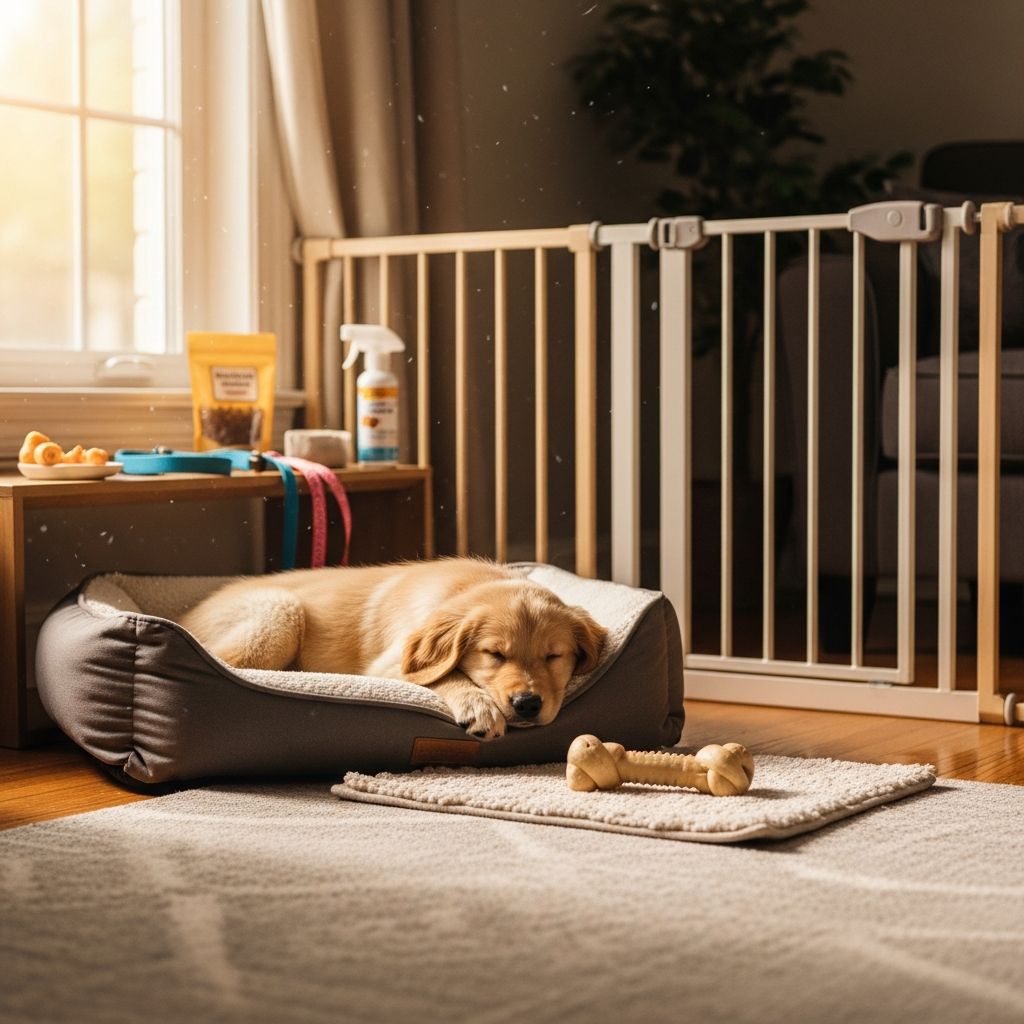
Bringing a new puppy into your home is an exciting milestone, but it also requires careful planning to ensure their safety and well-being. Puppies are naturally curious, energetic explorers who don’t yet understand the difference between safe toys and household hazards. Unlike adult dogs, puppies lack the judgment to avoid danger, making it your responsibility to create an environment where they can learn and play without risk of injury or poisoning. This guide walks you through the essential steps to transform your home into a puppy-safe haven.
Conducting a Ground-Level Safety Assessment
The most overlooked step in puppy preparation is seeing your home from your puppy’s perspective. Most hazards exist within a puppy’s direct line of sight and reach—areas you may never notice while standing at adult height. The best approach is to literally get down on your hands and knees and move through every room at floor level.
During this assessment, pay particular attention to:
- Items tucked under furniture and behind doors
- Objects on low shelves and tables
- Cords and cables running along baseboards
- Small objects that could pose choking hazards
- Access points to restricted areas
This simple exercise often reveals dangers that are invisible when you’re standing upright. Small objects like coins, buttons, hair ties, and pieces of food can become serious hazards. Electrical cords become tempting chew toys, and loose items become toys themselves. Take photographs during this assessment so you can reference them later and ensure you haven’t missed any potential problems.
Managing Common Household Dangers
Electrical Hazards and Cord Management
Puppies are naturally drawn to electrical cords and cables, which they often mistake for toys or treats. The risk of electrocution is serious and can result in burns to the mouth and throat, difficulty breathing, or cardiac complications. To address this threat:
- Cover all outlets with protective plugs designed for animals
- Use cord covers, tubing, or conduit to encase wires running along floors and walls
- Secure loose cables with clips or organizers to keep them elevated and out of reach
- Route cords behind furniture when possible
- Use no-chew sprays on cords that cannot be fully protected
Be especially vigilant during holiday seasons when decorative light strings are prevalent. Consider using sturdy, animal-safe cord protectors for any temporary installations.
Chemical and Medication Storage
Household chemicals, medications, and cleaning supplies represent some of the most serious threats to puppy safety. Even small quantities of certain substances can cause severe poisoning. All potentially toxic items must be stored in:
- Locked cabinets with childproof latches
- High shelves or closets that puppies cannot access
- Separate storage areas entirely removed from living spaces
This includes prescription medications, over-the-counter drugs, vitamins, cleaning products, pesticides, antifreeze, and garage chemicals. Additionally, keep medications for humans secured separately from areas where your puppy plays or rests.
Trash and Food-Related Hazards
Puppies possess an almost supernatural ability to locate and access trash containers. Beyond creating messes, garbage frequently contains items that can cause serious harm, including spoiled foods, sharp objects, toxic foods, and choking hazards. To prevent trash-related incidents:
- Use trash cans with locking lids or secure latches
- Store trash cans in closed cabinets or rooms the puppy cannot access
- Never leave trash unattended, even temporarily
- Choose bins designed to remain closed even if tipped over
Certain foods pose particular dangers to puppies, including chocolate, grapes, raisins, xylitol (an artificial sweetener), macadamia nuts, and avocados. These items should be stored securely and never left where a curious puppy might find them.
Room-by-Room Safety Strategies
Kitchen Precautions
The kitchen presents multiple hazard zones for puppies. Besides food and trash already discussed, consider:
- Securing cabinet doors with latches to prevent access to stored items
- Removing tablecloths, placemats, and kitchen towels that puppies might pull down
- Installing baby gates to restrict access when you’re cooking
- Keeping small appliances unplugged and stored when not in use
- Ensuring no food scraps remain on floors or low counters
Bathroom Safety Measures
Bathrooms combine chemical hazards with water risks. Secure the following:
- All medications and supplements in locked drawers or medicine cabinets
- Personal care products like shampoo, conditioner, and cleaning supplies
- Toilet paper and other paper products that might cause intestinal blockages if ingested
- The toilet itself—consider keeping doors closed and seats down
- Bath mats and towels that could be chewed or ingested
Living Room and Bedroom Considerations
These spaces often harbor subtle dangers because they’re designed for human comfort rather than pet safety. Address these issues:
- Secure all furniture that could tip, including bookshelves, TVs, and lamps
- Remove or elevate houseplants, many of which are toxic to dogs (lilies, sago palms, pothos, and philodendrons are particularly dangerous)
- Pick up small objects like coins, buttons, jewelry, and decorative items
- Secure window blind cords and curtain ties to prevent strangulation hazards
- Store children’s toys separately in a closed container
- Use baby gates to restrict access to stairs and upper levels
Creating Controlled Living Zones
Rather than puppy-proofing your entire home at once, experts recommend creating a restricted “starter zone” where your puppy spends most of their early weeks. This approach offers several advantages:
- Reduces the total area requiring intensive hazard removal
- Makes supervision easier and more manageable
- Helps with housetraining by limiting accidents to a contained area
- Allows your puppy to acclimate gradually to their new environment
- Provides a sense of security and stability during adjustment
Your starter zone should include a comfortable bed, water bowl, food dishes, and a selection of appropriate chew toys. Use baby gates or an exercise pen to define boundaries. As your puppy demonstrates maturity and reliability, you can gradually expand their access to other areas of your home. This measured approach works far better than forcing puppies to adapt to unlimited space all at once.
Outdoor Safety and Yard Preparation
Fencing and Boundary Security
Before allowing your puppy outside unsupervised, conduct a thorough inspection of your yard. Puppies possess surprising escaping abilities, and even small gaps can become escape routes:
- Walk the entire perimeter checking for holes, loose boards, and gaps
- Look underneath fences for areas where puppies might dig or squeeze through
- Test all gates to ensure they close securely and latches function properly
- Repair any damaged sections before allowing outdoor access
- Use chicken wire or wooden slats to fill any problematic gaps
Water and Elevation Hazards
Pools, ponds, hot tubs, and decorative water features pose drowning risks for puppies. Additionally, elevated areas like decks and balconies can be dangerous:
- Install barriers around any body of water on your property
- Use deck shields or gates to prevent falls from elevated structures
- Check railings and balcony gaps to ensure puppies cannot squeeze through
- Always supervise puppies around water features
Toxic Plants and Garden Chemicals
Many common landscaping plants are toxic to dogs if ingested. Common dangerous varieties include lilies, azaleas, foxgloves, and various species of mushrooms and toadstools. Additionally, consider:
- Store all pesticides, fertilizers, and weed killers securely
- Keep compost piles fenced off and inaccessible
- Remove or fence off toxic plants, or use barriers to restrict access
- Avoid using chemical treatments on lawns where puppies play
Furniture and Structural Considerations
Heavy, unstable furniture poses serious injury risks, especially as puppies grow. Before your puppy arrives, secure:
- All tall bookcases and shelving units to walls using brackets
- Television sets to television stands or wall mounts
- Lamps and floor fixtures that could be toppled
- Any furniture with legs that splinter easily
Additionally, inspect furniture upholstery for any tears or exposed padding that puppies might pull out and ingest. Secure loose cushions and remove throw pillows that might become chew toys.
Protective Equipment and Tools
Several products can significantly enhance your puppy-proofing efforts:
| Product Type | Purpose | Application |
|---|---|---|
| Baby Gates | Restrict access to stairs and rooms | Doorways, stairwells, between rooms |
| Cabinet Locks | Prevent access to stored chemicals and medications | Under-sink cabinets, closets, pantries |
| Cord Covers | Protect electrical wires from chewing | Along baseboards and under furniture |
| Outlet Plugs | Cover electrical outlets | All accessible outlets throughout home |
| No-Chew Spray | Discourage chewing through taste deterrent | Furniture, cords, and household items |
| Exercise Pen | Create portable safe play area | Any room or outdoor space |
The Critical Role of Supervision
No amount of puppy-proofing can completely replace active supervision. Even in the safest environment, unexpected situations arise. Best practices include:
- Maintaining visual contact during all indoor playtime
- Using hands-free leashes to keep your puppy tethered to you indoors
- Establishing consistent routines that allow you to anticipate your puppy’s needs
- Never leaving puppies unattended in cars, yards, or unfamiliar environments
- Knowing your puppy’s behavior patterns to recognize when something seems wrong
Supervision is particularly critical during the first weeks when your puppy is adjusting to their new home and learning household boundaries.
Ongoing Maintenance and Adaptation
Puppy-proofing is not a one-time task but rather an ongoing process that evolves as your puppy grows and develops new behaviors. Regularly reassess your home by:
- Conducting quarterly ground-level inspections
- Monitoring your puppy’s developing abilities and curiosity levels
- Adjusting safety measures as your puppy learns and grows
- Removing restrictions gradually as your puppy demonstrates maturity
- Staying informed about new hazards or risks as seasons change
A puppy who can safely navigate your home is a puppy who can learn, play, and bond with your family without constant stress or danger. By taking these comprehensive precautions before your new family member arrives, you’re investing in their long-term health and happiness while giving yourself the peace of mind that comes from knowing they’re protected.
Frequently Asked Questions About Puppy Safety
What’s the single most important puppy-proofing step?
Conducting a ground-level assessment is often the most revealing and important first step. Getting down at your puppy’s eye level immediately identifies hazards that are invisible from adult height.
How long does it take to fully puppy-proof a home?
Most homes can be substantially puppy-proofed in one to two weekends. However, the process continues as your puppy grows and develops new behaviors.
Can I use regular baby gates for puppies?
Most baby gates work well for puppies, though extra-tall gates are recommended for larger breeds that might jump over standard-height gates.
Are all houseplants dangerous to puppies?
Not all plants are toxic, but many common houseplants are. When in doubt, restrict access or consult your veterinarian about specific plants in your home.
What should I do if my puppy ingests something potentially harmful?
Contact your veterinarian or poison control immediately. Have information about what was ingested and when available, as this helps determine the appropriate response.
References
- SafeWise: 10 Tips for Puppy Proofing Your Home, Inside and Out — SafeWise. Accessed April 2026. https://www.safewise.com/blog/10-tips-for-puppy-proofing-your-home/
- How to Puppy Proof Your House: The Ultimate Checklist — Invisible Fence. Accessed April 2026. https://www.invisiblefence.com/resource-center/articles/puppy-proof-checklist
- The Essential Guide to Puppy Proofing your House — Jinx Pet Food. Accessed April 2026. https://www.thinkjinx.com/blogs/news/the-essential-guide-to-puppy-proofing-your-house
- Safe & Sound: A Guide to Puppy Proofing Your Home — Guide Dogs. Accessed April 2026. https://www.guidedogs.com/puppy-raising-guidebook/fundamentals-pups-2-to-5-months/puppy-proofing-your-home
- Puppy Proofing Your Home: A Complete Guide — Fetch Pet Insurance. Accessed April 2026. https://www.fetchpet.com/the-dig/puppy-proofing-your-home-guide
- How to Puppy-Proof Your Home: Complete Guide — Joyride Harness. Accessed April 2026. https://joyrideharness.com/blogs/news/how-to-puppy-proof-your-house-a-comprehensive-guide-joyride-harness
- Getting a puppy? Puppy-proof your home with these pro tips — Animal Humane Society. Accessed April 2026. https://www.animalhumanesociety.org/resource/getting-puppy-puppy-proof-your-home-these-pro-tips
Similar Articles








Read full bio of medha deb