

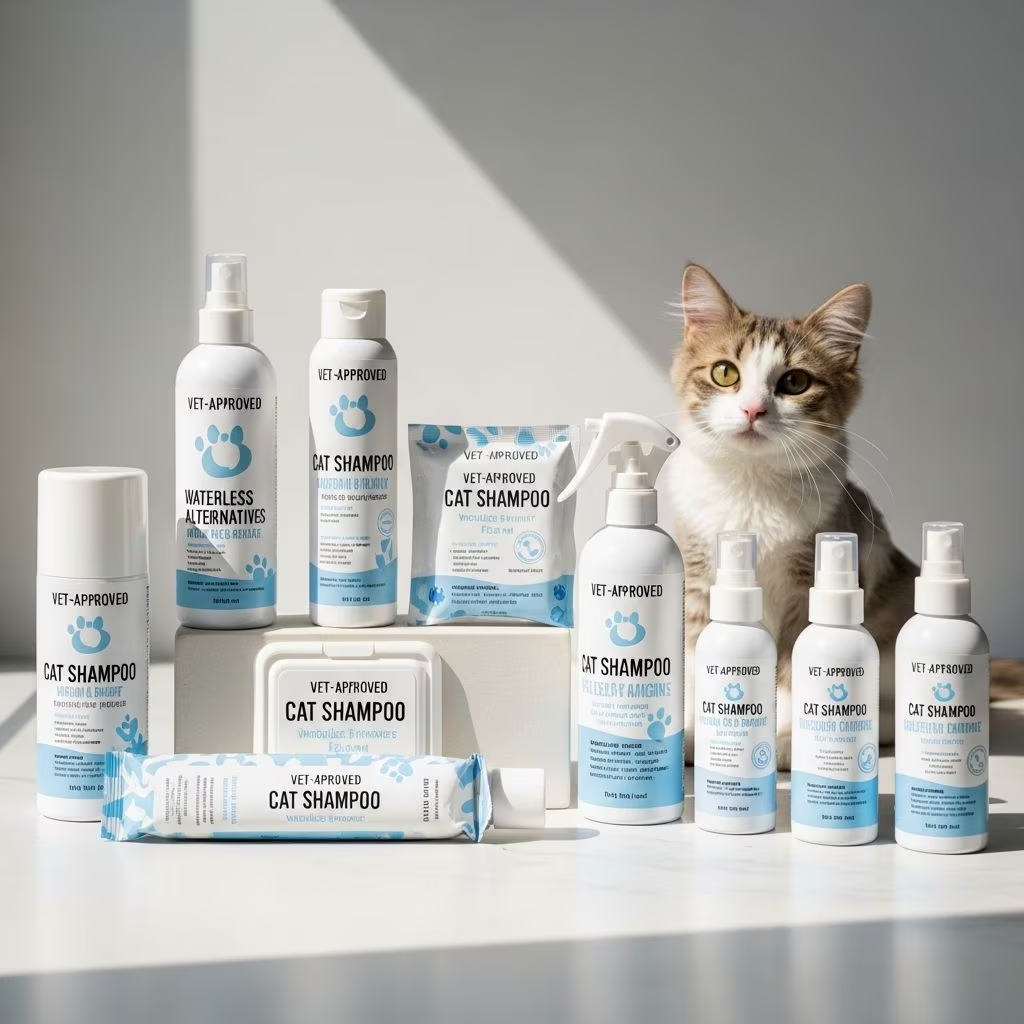
Many cat owners struggle with finding the right cleaning solution for their feline companions. Traditional cat shampoos can sometimes be harsh on sensitive skin, contain unnecessary chemicals, or simply feel overwhelming to use on cats that dislike water. If you’re looking for gentler, safer alternatives to keep your cat clean and healthy, you’re not alone. Natural and DIY alternatives offer effective cleaning without exposing your beloved pet to harsh chemicals. This comprehensive guide explores eight vet-approved alternatives to cat shampoo, each with unique benefits and application methods.
Understanding Your Cat’s Skin Needs
Before exploring alternatives, it’s important to understand that cat skin has a different pH balance than human skin and is significantly more sensitive. Cats’ skin is naturally more delicate, making them more prone to irritation and allergic reactions from inappropriate grooming products. This is why using human shampoo or unsuitable products can lead to discomfort and skin issues. Choosing the right alternative ensures your cat remains comfortable and healthy while maintaining a clean, lustrous coat.
The 8 Alternatives to Cat Shampoo
1. Baby Shampoo
Baby shampoo serves as an excellent emergency cleaning solution for cats when used sparingly. Unlike adult formulations, baby shampoo features a much gentler formula specifically designed for sensitive skin. When selecting baby shampoo for your cat, look for products labeled “no tears” and avoid any options containing fragrances or harsh chemicals.
To use baby shampoo on your cat, apply a small amount to their coat as you would with regular cat shampoo, working it through the fur gently. However, baby shampoo should only be used in emergency situations, not as a regular bathing solution. Frequent use can potentially disrupt your cat’s natural skin balance. It’s best reserved for situations where your cat has gotten into something unpleasant or requires immediate cleaning before a veterinary visit.
2. Baby Wipes and Pet Wipes
Many households have baby wipes readily available, making them a convenient option for quick cat cleanups. However, not all baby wipes are created equal—many contain various ingredients that may not be ideal for feline skin. Water wipes represent the safest option if using baby wipes, as they contain minimal ingredients and reduce the risk of irritation.
For a pet-specific alternative, pet wipes are formulated with cat-safe ingredients and offer targeted cleaning benefits. These wipes are perfect for spot-cleaning your cat, removing minor stains, or addressing areas where your cat has managed to get something unpleasant into their coat. Pet wipes provide a stress-free cleaning solution that many cats tolerate better than full baths, making them ideal for regular maintenance between more thorough cleanings.
3. Dawn Dish Soap
Dawn dish soap can be used on cats, but it requires proper preparation to ensure safety and effectiveness. Rather than using Dawn straight from the bottle, mix ¼ cup of Dawn with ½ cup of apple cider vinegar and 2 cups of water to create a balanced cleaning blend. This combination can be lathered over your cat’s coat before rinsing thoroughly.
It’s crucial to note that this recommendation applies specifically to Dawn brand dish soap. Other brands of dish soap have not been thoroughly evaluated for feline safety, and their ingredients may potentially cause irritation or other adverse reactions. Always ensure thorough rinsing after using any dish soap solution to prevent residue from irritating your cat’s skin or being ingested during grooming.
4. Castile Soap
Castile soap offers a natural and effective alternative to conventional cat shampoo. Made with olive oil, castile soap is inherently gentle and naturally hydrating, making it particularly suitable for cats with dry skin or sensitivity issues. The natural oil content helps maintain your cat’s coat health while providing effective cleaning.
When purchasing castile soap for your cat, ensure you select 100% pure castile soap without added ingredients, fragrances, or essential oils. These additives can be problematic for feline skin. After applying and working castile soap through your cat’s coat, rinse extremely well with plenty of warm water to remove all traces of soap. Any residual soap can irritate your cat’s skin or cause gastrointestinal upset if ingested during grooming.
5. Baking Soda
Baking soda serves as a versatile and economical dry cleaning option for cats. This pantry staple works by absorbing oils and odors from your cat’s coat without requiring water. To use baking soda, simply sprinkle it over your cat’s fur and work it through with your fingers, ensuring it reaches the skin. Allow it to sit briefly before brushing it out thoroughly.
Baking soda is particularly useful for cats that are resistant to water-based baths or those needing quick freshening between more thorough cleanings. However, baking soda alone won’t remove sticky or oily residue effectively, so it works best for light cleaning and odor control rather than removing stubborn stains.
6. Oatmeal DIY Shampoo
For cats with irritated or sensitive skin, an oatmeal-based DIY shampoo provides soothing relief while gently cleaning. This simple recipe combines natural, skin-calming ingredients to create an effective bathing solution.
Oatmeal DIY Shampoo Recipe:
- 1 cup of ground oatmeal
- ½ cup of baking soda
- 4 cups of water
To prepare and apply: Mix these ingredients thoroughly until well combined. Pour the mixture over your cat’s fur and use your fingers to massage it gently through their coat and down to the skin. Allow the mixture to sit for up to 5 minutes to allow the oatmeal to soothe irritated skin. Rinse thoroughly with plenty of warm water to remove all oatmeal particles and residue.
This recipe is particularly beneficial for cats experiencing itching, flaking, or other signs of skin irritation. The oatmeal’s natural anti-inflammatory properties help calm sensitive skin while the baking soda provides gentle cleansing action.
7. Cornstarch
If you use cornstarch regularly in your kitchen, you have a convenient dry shampoo alternative at hand. Cornstarch works by absorbing oils and odors from your cat’s coat, leaving them looking and smelling fresher without requiring water.
To use cornstarch: Simply sprinkle it over your cat’s coat and work it through their fur using your fingers. Once the cornstarch has absorbed oils and odors, brush it out thoroughly. Your cat will appear cleaner and smell better without the stress of a wet bath.
Keep in mind that cornstarch is best suited for light cleaning and freshening. It won’t effectively remove sticky residue or oily buildup, making it ideal for maintenance cleaning rather than addressing significant dirt or contamination.
8. DIY Dry Shampoo
For cats that desperately need cleaning but resist water baths, this DIY dry shampoo formula provides an effective solution that many felines tolerate well.
DIY Dry Shampoo Recipe:
- ½ cup of finely ground oatmeal
- ½ cup of cornmeal
- 2 tablespoons of cornstarch
To prepare and apply: Mix all ingredients together to create a fine powder. Sprinkle this mixture carefully over your cat’s entire coat, being especially careful to avoid their face and eyes. Gently rub the mixture into their fur, allowing it to sit for about 5 minutes. Thoroughly brush out all the powder to reveal a cleaner-looking cat.
This formula combines the oil-absorbing properties of cornstarch with the skin-soothing benefits of oatmeal and the natural cleansing action of cornmeal. However, like other dry shampoo options, it won’t remove stubborn stains or heavy oily and sticky residue, making it best for regular maintenance cleaning.
Benefits of Using Natural Shampoo Alternatives
Choosing natural alternatives to traditional cat shampoo offers numerous advantages for your feline companion:
- Reduced risk of skin irritation: Natural ingredients are gentler on sensitive feline skin, minimizing the potential for allergic reactions or irritation.
- Protection of natural oils: Many natural alternatives are less likely to strip your cat’s fur of its protective natural oils, maintaining a healthy coat.
- Cost-effectiveness: Many alternatives use ingredients you likely already have at home, reducing grooming expenses.
- Environmental friendliness: Natural alternatives are generally more environmentally friendly and free of harsh chemicals harmful to ecosystems.
- Ingredient control: DIY options allow you to control exactly what touches your cat’s skin, eliminating unnecessary additives.
Important Considerations When Using Alternatives
Before using any alternative to traditional cat shampoo, keep these important guidelines in mind:
- Patch test first: Always test any new shampoo or alternative on a small, inconspicuous area of your cat’s skin first to check for adverse reactions.
- Avoid strong fragrances: Cats have sensitive olfactory systems, and strong scents can be overwhelming and stressful. Opt for unscented options when possible.
- Rinse thoroughly: Regardless of which alternative you choose, always rinse your cat’s coat completely to remove any residue that could cause skin irritation or be ingested during grooming.
- Consult your veterinarian: If your cat has existing skin conditions, allergies, or sensitivities, consult your vet before trying new grooming products.
- Avoid human products: Regular human shampoo should never be used on cats, as it can be harmful to their skin and coat.
- Regular grooming: Brush your cat regularly to reduce the need for frequent bathing and help maintain a healthy coat naturally.
Professional Cat Shampoo Options
While natural alternatives are excellent options, professionally formulated cat shampoos designed specifically for feline needs also exist. The best cat shampoos feature pH-balanced formulas and plant-based ingredients like shea butter, buttermilk, aloe vera, and coconut oil that are skin-soothing and gentle.
When selecting a commercial cat shampoo, look for products that are free of harsh chemicals, parabens, sulfates, and artificial dyes. Many reputable brands including Burt’s Bees, Earthbath, and TropiClean offer natural formulations with gentle ingredients like chamomile, honey, and lavender.
Frequently Asked Questions
Q: Can I use human shampoo on my cat?
A: No, human shampoo should never be used on cats. Human shampoo has a different pH balance than feline skin and can cause irritation, dryness, and other skin problems. Always use cat-specific products or vet-approved alternatives.
Q: How often should I bathe my cat?
A: Most cats don’t require frequent baths. Indoor cats typically only need bathing every 4-6 weeks or as needed. Outdoor cats or those with skin conditions may require more frequent bathing. Regular brushing often eliminates the need for frequent baths.
Q: Are DIY cat shampoos safe?
A: Yes, DIY shampoos using natural ingredients like oatmeal, baking soda, and castile soap are safe when prepared correctly. Always use pure, unscented ingredients and rinse thoroughly. If your cat has existing skin conditions, consult your vet first.
Q: What should I do if my cat has an allergic reaction to a shampoo alternative?
A: If your cat shows signs of irritation, excessive scratching, redness, or other adverse reactions, discontinue use immediately and rinse thoroughly with plain water. Contact your veterinarian if symptoms persist.
Q: Are pet wipes effective for cleaning cats?
A: Yes, pet wipes are effective for spot-cleaning and freshening your cat’s coat between baths. They’re particularly useful for quick cleanups and areas with minor soiling. Choose water wipes or pet-specific wipes formulated with safe ingredients.
Q: Can I use oatmeal shampoo on kittens?
A: Oatmeal-based shampoos are generally safe for kittens, but use them sparingly and ensure thorough rinsing. Kittens have even more sensitive skin than adult cats, so patch test first and consult your veterinarian before use.
Q: Which dry shampoo alternative is best for my cat?
A: The best dry shampoo depends on your cat’s needs. Cornstarch and baking soda are economical options for light freshening, while DIY dry shampoo recipes combining oatmeal, cornmeal, and cornstarch provide more comprehensive cleaning for cats that resist water baths.
References
- Safe & Effective Cat Shampoo Alternatives: 8 Vet Approved Options — Catster. 2024. https://www.catster.com/cat-health-care/safe-effective-alternatives-to-cat-shampoo/
- Cat Shampoo Alternatives: Natural Options for Your Feline — Desk Cat Nest. 2024. https://deskcatnest.com/blogs/blog/cat-shampoo-alternatives
- What are safe alternatives to cat shampoo for cleaning your cat? — Dial A Vet. 2024. https://www.dialavet.com/vet-answers/safe-gentle-cat-bath-alternatives-17618
- Best Shampoo for Cats: Gentle, Effective, and Safe Choices — Paw Origins. 2024. https://paworigins.com/blogs/vet-blogs/best-shampoo-for-cats-effective-and-safe-choices
- How To Wash A Cat Without Cat Shampoo — Cats.com. 2024. https://cats.com/how-to-wash-a-cat-without-cat-shampoo



