

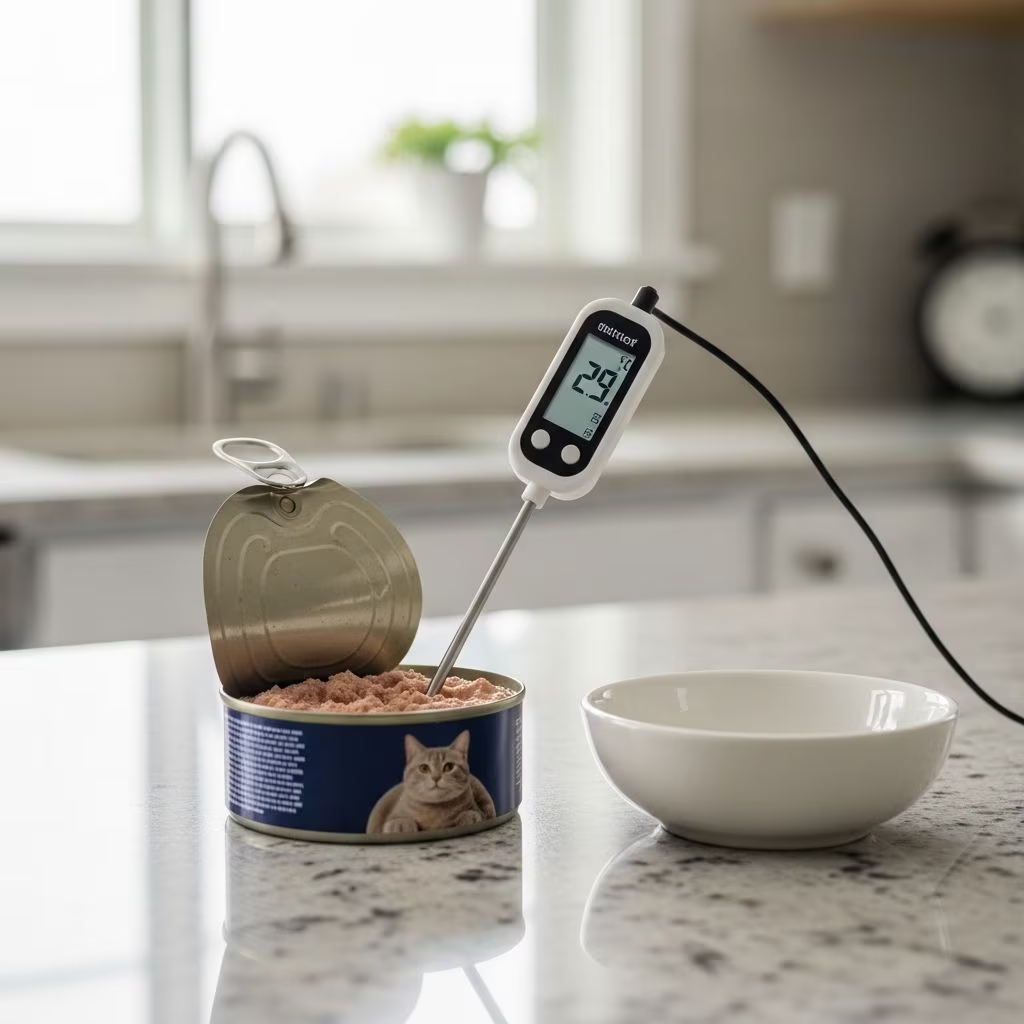
Wet cat food should not be left at room temperature for more than 1-2 hours to minimize bacterial growth and spoilage risks. Proper handling ensures nutritional value and safety for your pet.
Why Time Limits Matter for Wet Cat Food
Wet cat food contains high moisture and protein levels, creating an ideal environment for bacteria like Salmonella or E. coli to thrive when exposed to warmth. Room temperature accelerates microbial multiplication, potentially leading to foodborne illnesses in cats, which can manifest as vomiting, diarrhea, or more severe conditions.
Environmental factors such as ambient temperature above 50°F (10°C) shorten the safe window significantly. In hotter conditions, bacteria double every 20 minutes, making even short exposures risky. Always prioritize quick consumption or refrigeration to preserve quality.
Recognizing Spoilage in Wet Cat Food
Before offering food to your cat, inspect for these indicators:
- Unpleasant odor: Sour, rancid, or unusually strong smells signal bacterial activity.
- Texture changes: Sliminess, separation of liquids, or dryness from evaporation.
- Visual cues: Mold spots, discoloration, or unusual bubbling.
- Taste rejection: Cats often refuse spoiled food due to heightened senses.
If any doubt exists, discard immediately to avoid health complications.
Optimal Storage Techniques Post-Opening
After opening, transfer unused portions to airtight containers and refrigerate promptly. Experts advise consumption within 2-3 days under refrigeration at 40°F (4°C) or below. Use plastic lids designed for cans or glass/plastic containers to block air, odors, and contaminants.
| Storage Method | Max Duration | Tips |
|---|---|---|
| Room Temperature (Uneaten in Bowl) | 1 Hour Max | Discard leftovers; clean bowl immediately. |
| Refrigerated (Covered Can/Container) | 2-3 Days | Warm slightly before serving to enhance appeal. |
| Freezer (Portioned) | Up to 3 Months | Thaw in fridge; avoid refreezing. |
Avoid storing in garages or uncontrolled spaces where temperatures fluctuate, as this promotes nutrient breakdown and rancidity.
Room Temperature Guidelines by Scenario
Different situations affect safe exposure times:
- Mealtime in Bowl: Remove after 1 hour if uneaten, as drying occurs and bacteria grow.
- Warm Weather (>70°F): Limit to 30-60 minutes; heat speeds spoilage.
- Multi-Cat Households: Serve individual portions to prevent contamination between pets.
- Travel/Boarding: Use insulated coolers with ice packs; replace every 2 hours.
Serve amounts your cat finishes in one meal to reduce waste.
Health Risks of Improperly Stored Wet Food
Consuming spoiled wet food can cause acute gastrointestinal upset, including lethargy and dehydration. Chronic exposure risks nutrient loss, as vitamins degrade and fats oxidize. Vulnerable cats—kittens, seniors, or immunocompromised—face higher dangers.
Maintain hygiene by washing bowls, utensils, and hands post-handling to prevent cross-contamination.
Comparing Wet vs. Dry Cat Food Storage
| Aspect | Wet Food | Dry Food |
|---|---|---|
| Room Temp Limit | 1-2 Hours | Indefinite if sealed; days if open. |
| Fridge Duration | 2-3 Days | Not needed; avoid moisture. |
| Storage Container | Airtight, refrigerated | Original bag in bin. |
| Spoilage Speed | Fast (moisture-driven) | Slow (low water activity) |
Wet food demands stricter protocols due to its composition.
Practical Daily Routines for Cat Owners
Establish habits like:
- Portioning food fresh daily from fridge.
- Labeling containers with dates.
- Using warming methods (lukewarm water bath) for refrigerated servings.
- Monitoring intake to adjust portions.
Buy smaller cans for single cats to minimize leftovers.
Frequently Asked Questions
Can I leave wet cat food out overnight?
No, discard after 1-2 hours max. Overnight exposure guarantees spoilage.
Is it safe to refrigerate in the original can?
Yes, if covered tightly with plastic wrap or lid; transfer to container if possible to avoid metallic taste.
How do I know if refrigerated food is still good?
Smell, check texture, and date; use within 3 days.
What if my cat won’t eat cold food?
Warm gently to body temperature; never microwave.
Does brand affect storage time?
Guidelines are universal, but follow manufacturer specifics if shorter.
Long-Term Strategies for Efficiency
Freeze portions in ice cube trays for single servings, thawing as needed. Invest in portion-control lids or automatic feeders with cooling features for busy households. Track expiration dates rigorously—unopened cans last 24-36 months in cool, dry spots below 80°F.
Educate on FDA guidelines: Store below 40°F in fridge, clean surfaces between uses.
References
- How to Store Wet Cat Food After Opening? — Nutrience. 2024-06-04. https://nutrience.com/community/blog/how-to-store-wet-cat-food-after-opening/
- Cat Food Storage: How to Store Cat Food — Purina US. https://www.purina.com/articles/cat/feeding/guides/how-to-store-cat-food
- How Long Can Wet Cat Food Sit Out? — PrettyLitter. https://www.prettylitter.com/blog/how-long-can-wet-cat-food-sit-out
- Where and how long to store dry and wet pet food — Edgard & Cooper. https://faq.edgardcooper.com/en/articles/8856805-where-and-how-long-to-store-dry-and-wet-pet-food
- Tips on How to Store Your Dog or Cat Food Properly — Hill’s Pet. https://www.hillspet.com/pet-care/nutrition-feeding/cat-and-dog-food-storage-tips
- Proper Storage of Pet Food & Treats — FDA. https://www.fda.gov/animal-veterinary/animal-health-literacy/proper-storage-pet-food-treats
- How To Handle And Store Pet Food — Pet Food Institute. https://www.petfoodinstitute.org/how-to-handle-and-store-pet-food/



