

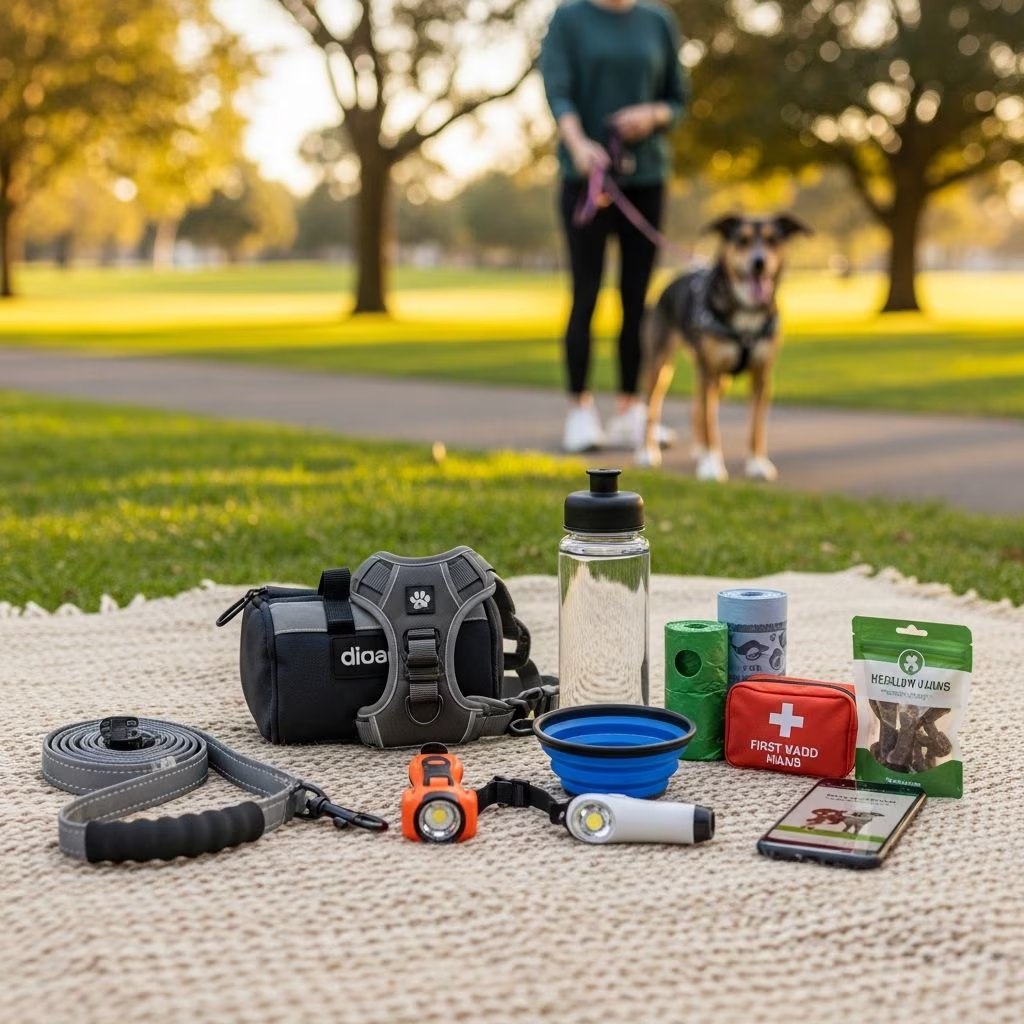
Walking dogs ranks among the most rewarding activities for pet owners and professionals alike, promoting exercise, mental stimulation, and bonding. Yet, it demands vigilance to avert risks like injuries, escapes, or conflicts. This guide equips you with actionable strategies drawn from established protocols to ensure every stroll prioritizes welfare for both dogs and handlers.
Selecting Reliable Equipment for Control and Comfort
Proper gear forms the foundation of safe outings. A sturdy 4- to 6-foot fixed-length leash made from nylon or leather provides optimal control without retractable risks, which can cause entanglement or sudden jolts.
Harnesses outperform collars for pullers; front-clip models like those redirecting forward motion reduce strain on necks while maintaining humane guidance. Always pair with a collar bearing ID tags and microchip verification for lost-pet recovery.
Inspect all items pre-walk: ensure secure fits, no frays, and functionality. Avoid aversive tools like shock collars, choke chains, or prongs, as they induce fear and potential harm.
- Leash essentials: Non-retractable, durable material, waist-height hold.
- Harness benefits: Multi-adjustment points prevent escapes.
- Collar must-haves: ID tags, owner/walker contacts.
Mastering Leash Techniques to Prevent Pulls and Tangles
Effective handling minimizes accidents. Grip the leash handle around your dominant hand’s thumb, fist closed at waist level, with the dog on your non-dominant side for a loose “J” shape.
For multiple dogs, use one hand per leash or split evenly, keeping them within 3 feet to curb pack reactivity. If a dog surges, slide hands together, pull toward your navel, and plant feet firmly.
| Scenario | Technique | Benefit |
|---|---|---|
| Single dog pulling | Front-clip harness + navel pull | Redirects without force |
| Group walk | Short leashes, both hands | Prevents bunching |
| Sudden bolt | Escape-proof straps | Secures during panic |
Practice loose-lead walking: reward calm pacing to build reliability, varying routes for engagement without distraction.
Recognizing and Managing Reactive or Fearful Dogs
Dogs showing anxiety, fear, or aggression toward others require solo walks on short leads, avoiding high-traffic zones. Basket muzzles permit panting and drinking while blocking scavenging or bites, used only with owner consent.
Assess behavior history beforehand: obtain written off-lead permission only for dogs with instant recall. In public, comply with leash mandates, even if owners permit freedom elsewhere.
Monitor body language—stiff posture, growling, or avoidance signals escalation. Create space from triggers, using treats for “leave it” or “drop it” commands to deter hazards like toxic debris.
Navigating Weather Extremes and Environmental Hazards
Tailor walks to conditions. In heat, limit exposure for brachycephalic breeds, providing shade, water, and wet towels post-exercise. Never leave dogs in vehicles beyond minimal pickup/drop-off times, with AC running if essential.
Cold demands booties for paw protection and coats for insulation. Urban walks heighten traffic risks: keep dogs close, avoid darting, and master elevator protocols by holding leashes tight during doors.
- Hot weather: Early mornings, hydration checks.
- Cold snaps: Paw inspection, layered gear.
- Urban pitfalls: Sidewalk etiquette, no long lines.
Personal Security Measures for Walkers
As lone operators, walkers must prioritize self-protection. Maintain a daily itinerary of pickups, routes, and drop-offs; carry a charged phone with emergency speed dials and tracking apps.
Secure vehicles: breakdown coverage, valuables hidden, doors locked. Upon entering homes, lock behind you and leave as instructed.[10] Avoid perceived threats, exiting promptly if risks emerge.
For groups, prevent pack mentality flare-ups from passing barkers by shortening leads and focusing attention.
Emergency Preparedness and First Aid Basics
Stock a canine first-aid kit in your vehicle: bandages, antiseptics, tweezers, and thermometers. Pursue certified training to handle wounds, heatstroke, or chokings.
Secure pre-walk veterinary agreements for treatment authorization, including preferred clinics. If lost, alert owners and wardens immediately, leveraging microchips.
Report health/behavior flags to owners promptly, ensuring post-walk comfort like drying off.
Legal Responsibilities and Best Practices
Adhere to local leash laws, like Denver’s public mandates. Off-lead requires explicit written owner approval and proven recall.
Clean equipment regularly, especially post-illness, via steam or disinfectants. Provide one lead per dog, varying paths for stimulation while staying attentive.
Pre-Walk Setup for Owners and Professionals
Owners: Organize access keys in lockboxes, centralize gear (leash, bags, treats), and detail allergies/behaviors via apps. Ensure microchips and exemptions if applicable.
Walkers: Verify paperwork, fit checks, and comfort measures. End with secure lockups and welfare notes.
Frequently Asked Questions
What if my dog pulls excessively?
Switch to a front-clip harness and train loose-lead walking with rewards. Consult pros for persistent issues.
Is off-lead walking ever safe?
Only with written permission, reliable recall, and in safe areas. Public roads demand leashes.
How do I handle hot weather walks?
Opt for cooler times, monitor for heat signs, and never vehicle-cramp.
What personal safety apps work best?
Tracking and location-sharing ones with emergency contacts.
Should I muzzle reactive dogs?
Consider basket types for safety, with owner okay, allowing normal functions.
References
References
- Professional Dog Walkers’ Guidelines — CFSG. 2024. https://www.cfsg.org.uk/wp-content/uploads/2025/04/Dog-Walking-Guide-2024.pdf
- Preparing Your Pup for Their Dog Walker: A Complete Guide — Rover. Accessed 2026. https://www.rover.com/blog/preparing-dog-for-dog-walker/
- Dog Walking Safety Tips — PetSafe. Accessed 2026. https://www.petsafe.com/blog/dog-walking-safety-tips/
- 15 Must-Know Dog Walking Tips [Complete Guide] — Sploot Vets. Accessed 2026. https://www.splootvets.com/post/dog-walking-tips
- Dog Walking Safety Tips — Jordan’s Pet Care. Accessed 2026. https://www.jordanspetcare.com/blog/dog-walking-safety-tips
- City Dog Walking Safety Guide — AKC Pet Insurance. Accessed 2026. https://www.akcpetinsurance.com/blog/city-dog-walking-safety-guide



