

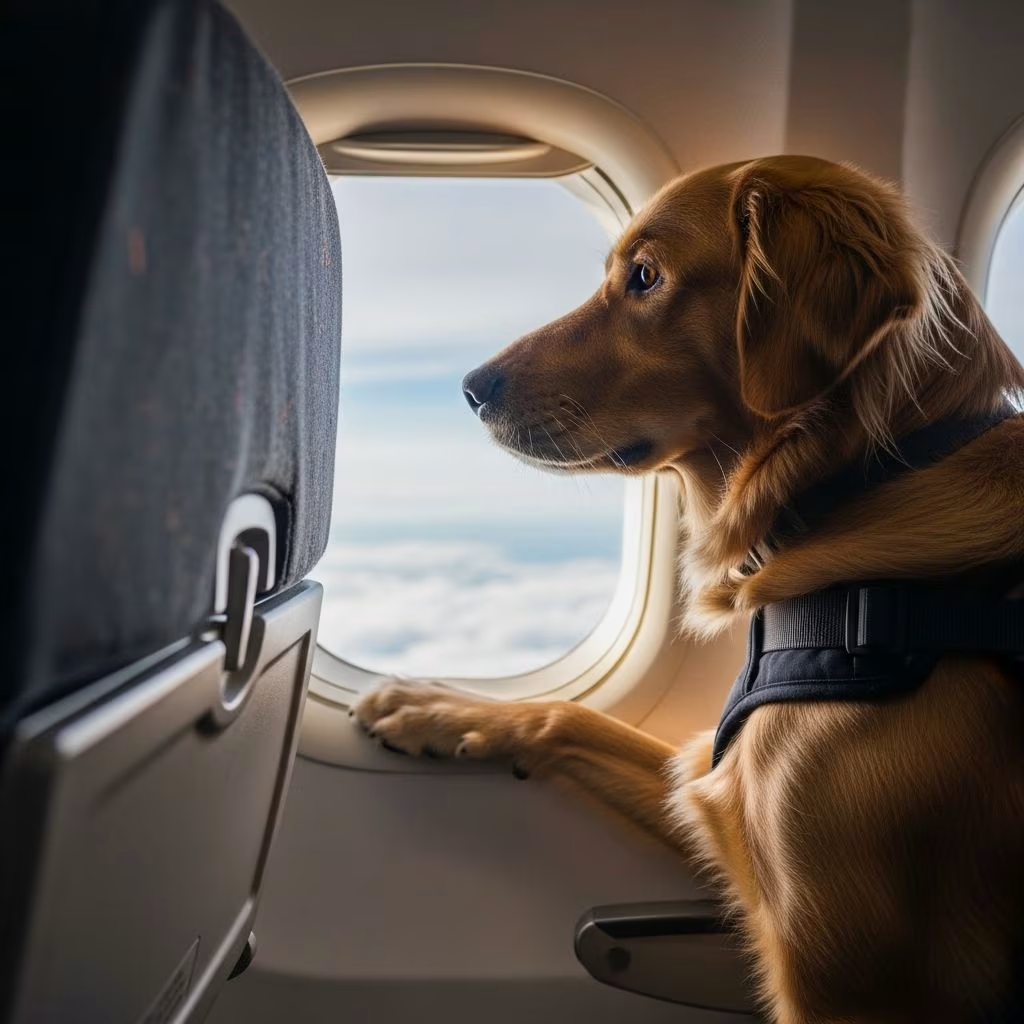
Dogs often experience stress during travel, prompting owners to consider sedatives, but veterinary experts strongly advise against it, especially for flights, due to serious health risks at high altitudes and in unmonitored settings.Key Insight: The American Veterinary Medical Association (AVMA) warns that sedation can impair vital functions like breathing and heart rate, making it unsafe for most pets.
Understanding the Dangers of Sedating Dogs for Trips
Sedatives depress the central nervous system, slowing heart rate, respiration, and body temperature regulation. At cruising altitudes, lower oxygen levels exacerbate these effects, potentially leading to life-threatening complications. Brachycephalic breeds like pugs and bulldogs face heightened risks due to their narrow airways.
- Sedation masks distress signals, delaying emergency responses from airline staff.
- It causes disorientation upon wearing off, increasing injury risk in crates or unfamiliar spaces.
- Temperature dysregulation can result in hypothermia or hyperthermia, especially in cargo holds.
Airlines often refuse visibly sedated pets at check-in, and many policies prohibit sedation outright to prioritize animal welfare.
Common Sedatives Prescribed for Dog Anxiety: Pros and Cons
Vets may prescribe medications for situational anxiety, but these are not ideal for travel. Here’s a breakdown of frequently used options:
| Medication | Primary Use | Side Effects | Travel Suitability |
|---|---|---|---|
| Trazodone | Situational anxiety relief | Lethargy, nausea, rapid heart rate, appetite changes | Not recommended for flights; sedating at higher doses |
| Gabapentin | Anxiety, pain, sedation | Coordination loss, behavioral shifts, appetite changes | Short-term use possible but risky in air travel |
| Acepromazine | Long-acting sedation | Low blood pressure, disorientation, respiratory depression | Strongly discouraged for flights |
| Diazepam (Valium) | Seizures, occasional anxiety | Fatigue, appetite changes, behavioral alterations | Not for anxiety; avoid travel |
| Fluoxetine (Prozac) | Chronic separation anxiety | Fatigue, nausea, coordination issues | Long-term only, not acute travel aid |
Over-the-counter options like Benadryl may induce drowsiness but are designed for allergies, not anxiety, and can cause dry mouth, excitability, or heart rate changes. Always trial doses at home under vet supervision.
Why Flights Amplify Sedation Risks
Air travel involves cabin pressure equivalent to 8,000 feet, reducing oxygen availability. Sedated dogs cannot compensate by breathing faster or moving to regulate temperature. Studies show most dogs cope well without drugs, but a subset experiences distress—sedation worsens outcomes for them.
For cargo travel, lack of monitoring is critical: sedated pets can’t signal overheating or distress. Domestic flights pose similar issues, though shorter duration offers slight mitigation.
Non-Drug Strategies for Calm Dog Travel
Behavior modification and environmental adjustments outperform medications. Start preparation weeks ahead for best results.
Training and Desensitization Techniques
Gradually expose your dog to travel cues: car rides, crate time, airport sounds via apps. Positive reinforcement with treats builds positive associations. A “trial run” mimics the full journey at home.
- Practice short crate sessions daily, rewarding calm behavior.
- Use pheromone diffusers during practice to link scents with relaxation.
- Exercise vigorously before travel to reduce baseline anxiety.
Natural Supplements and Products
Vet-approved alternatives provide mild calming without heavy sedation:
- Hemp-derived CBD: Effective for anxiety in small dogs; Humane Society notes safety for pain and stress. Consult vet for dosing.
- ThunderShirt or compression wraps: Swaddling effect reduces panic, similar to infant swaddles.
- Pheromone collars/sprays (e.g., Adaptil): Mimic maternal calming scents.
- Herbal chews: L-theanine, chamomile, valerian root, melatonin—check for interactions.
Include a familiar scented item (your worn shirt) in the crate for comfort.
Car Travel Specific Tips
Road trips allow monitoring, making lighter aids viable. Benadryl helps mild motion sickness, but combine with breaks for potty and stretching. Secure crates prevent motion amplifying anxiety.
Pre-Travel Health Checklist
Ensure your dog is fit for travel:
- Vet exam within 10 days: vaccines, health certificate for flights.
- Fit, non-stressed pets travel best—avoid if elderly, obese, or ill.
- Microchip and ID tags updated.
- Acclimation to crate: feed meals inside weeks prior.
- Fast 12 hours pre-flight to prevent nausea, provide water post-boarding.
For international trips, check breed restrictions and import rules.
Breed-Specific Considerations
Brachycephalic dogs (Pugs, Boston Terriers, Shih Tzus) are prone to respiratory distress—sedation is especially hazardous. Airlines often ban them from cargo. Opt for cabin travel if possible.
Real Owner Experiences and Research Insights
A study on air travel found most dogs recover well, with owners reporting manageable stress via preparation. High-risk individuals benefit from tailored plans, not drugs. Forums echo vet advice: natural methods succeed where sedatives fail.
Frequently Asked Questions (FAQs)
Can I give my dog Benadryl for a flight?
No, airlines prohibit it, and it risks sedation effects at altitude. Use vet-recommended alternatives.
Is CBD safe for dog travel?
Yes, in small doses for many dogs, but legality varies—consult your vet.
What if my dog has severe separation anxiety?
Start long-term meds like fluoxetine months ahead, plus behavior training. Avoid acute sedatives for trips.
How do I prepare a puppy for its first flight?
Crate train early, practice airport simulations, and use pheromones. Puppies adapt quickly with positivity.
Are there airlines that allow sedated pets?
Most do not; check policies—sedation voids health guarantees.
Long-Term Anxiety Management Beyond Travel
Travel anxiety often stems from general fears. Professional training, puzzle toys, and routine stabilize dogs. Vets may suggest gabapentin for vet visits or grooming as non-travel tests.
Monitor post-trip: some dogs need decompression time. Hydration, quiet space, and favorite foods aid recovery.
References
- Should a Dog be Sedated for Travel? — Tailwind Global Pet. 2023. https://tailwindglobalpet.com/blog/dog-sedatives-for-travel/
- Can I Sedate My Dog for a Flight? — James Cargo Services. 2024. https://www.jamescargo.com/blog/sedate-dog-for-flight.php
- Don’t Tranquilize Your Pet During Air Travel — Starwood Pet Travel. 2023. https://www.starwoodpet.com/blog/dont-tranquilize-your-pet-during-air-travel-theres-better-options
- Dog Sedatives: When and How to Use Them — Bond Vet. 2024. https://bondvet.com/blog/dog-sedative
- Sedating Pets For Travel: Is It Safe? A Vet’s View — Your Dog Butler. 2023. https://yourdogbutler.com/blog/sedating-pets-for-travel-is-it-safe-a-vets-view/
- How Well Do Dogs Cope with Air Travel? An Owner-Reported Outcome Study — PMC (NCBI). 2023-10-15. https://pmc.ncbi.nlm.nih.gov/articles/PMC10571552/



