

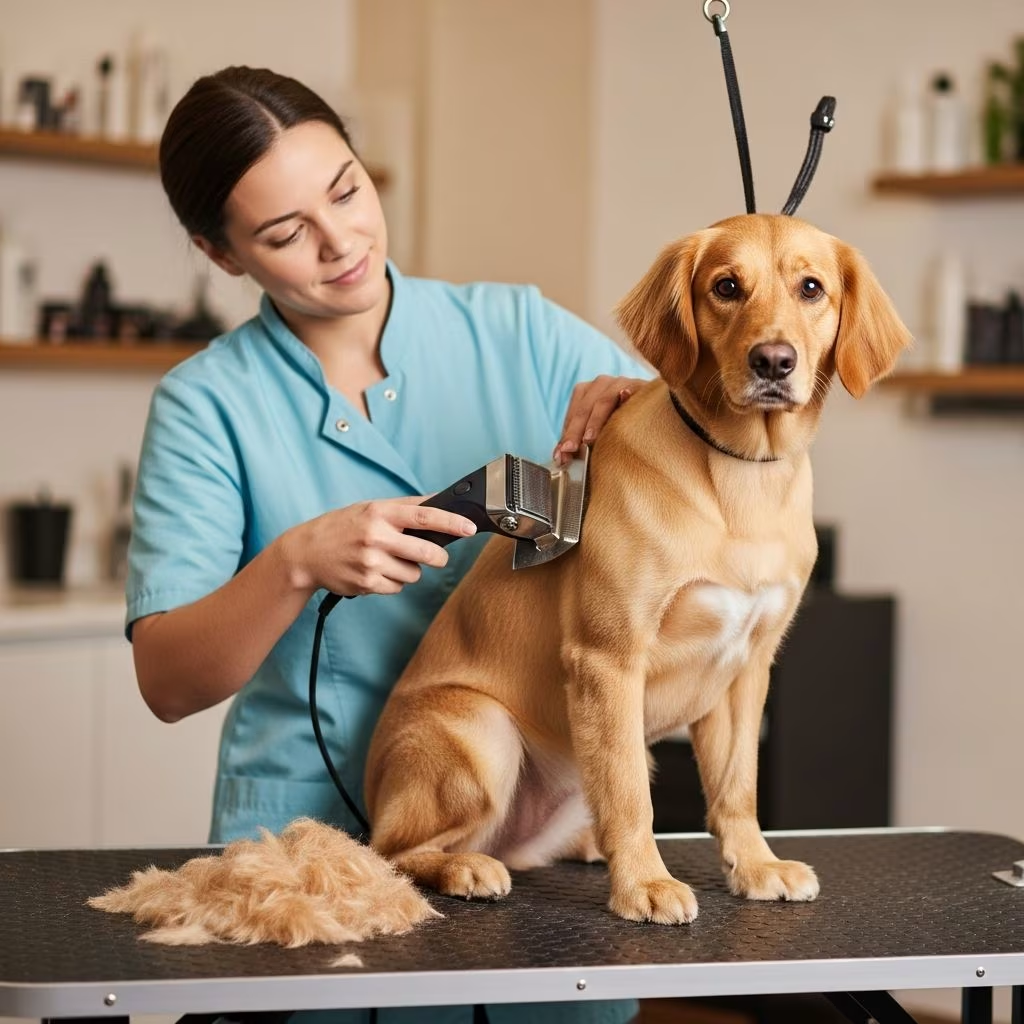
Shaving a dog requires careful preparation, the right equipment, and awareness of breed-specific needs to prevent skin issues or discomfort. This guide provides pet owners with practical steps for safe at-home shaving while emphasizing when to seek professionals.
Understanding Why and When to Shave Your Dog
Not all dogs benefit from shaving, as their coats often serve natural purposes like insulation and protection. Double-coated breeds, such as Huskies or Golden Retrievers, retain natural oils and temperature regulation through their fur layers, making shaving counterproductive. Shave only for medical reasons, severe matting, or specific single-coated breeds like Poodles that require clipping for hygiene.
Assess your dog’s coat type first: short-haired dogs may need minimal trimming, while long-haired ones prone to tangles benefit from careful clipping. Consult a veterinarian if shaving addresses skin conditions, allergies, or post-surgical needs, ensuring it’s not done routinely for aesthetics.
Essential Tools for Safe Dog Shaving
Quality tools reduce injury risks and ensure smooth results. Invest in clippers with adjustable blades, starting guards for beginners, and cooling mechanisms to prevent overheating.
- Electric Clippers: Choose pet-specific models with variable speeds and sharp, detachable blades like #10 or #15 for body areas to avoid nicks.
- Blades and Guards: Use close-cutting blades cautiously on sensitive zones; opt for #7 or skip-tooth on flat areas only, switching to finer #10 near folds.
- Combs and Brushes: Detangling combs lift fur from skin, preventing cuts on mats. Slicker brushes prepare coats by removing loose hair.
- Scissors and Shears: Blunt-tipped grooming shears for paws, ears, and face to minimize puncture risks.
- Restraints and Tables: Grooming loops, arms, and adjustable tables secure dogs without stress; hands-free systems limit bite radius by 90%.
Maintain tools by cleaning after each use and oiling blades to avoid pulling hair, which causes irritation known as clipper burn. Dull blades increase skin trauma risks.
Preparing Your Dog for a Shave
Desensitization prevents anxiety. Introduce clippers gradually: let your dog sniff, hear the motor on low, and feel vibrations on paws before full sessions. Use treats and praise for positive associations.
Bathe first with lukewarm water and dog-specific, tearless shampoo to remove dirt; rinse thoroughly to avoid eye irritation that could lead to ulcers. Dry completely, noting any lumps or skin folds during blow-drying for later avoidance.
Choose a quiet space with non-slip surfaces. For mobile or salon setups, dry floors immediately to prevent slips. Separate multi-dog households to avoid fights.
Step-by-Step Shaving Process
Follow this sequence for efficiency and safety, always working in the coat growth direction initially.
- Secure the Dog: Position on a stable table at waist height. Use loops to hold head and body upright, maintaining your posture to avoid strain.
- Brush Thoroughly: Remove mats with gentle strokes, using combs under tangles. For tight mats near skin, lift with a comb or consider professional deshedding.
- Clip the Body: Start at the back with a guard for length, progressing to sides and belly. Use short strokes, stretching skin taut to prevent folds from catching blades.
- Handle Sensitive Areas: Switch to finer blades for face, ears (watch Henry’s pocket fold), genitals, and paws. Point scissor tips outward on ears.
- Trim Nails and Paws: Grind or clip nails avoiding the quick. Pad fur minimally to retain protection.
- Finish and Inspect: Brush out loose hair, check for irritation, and apply soothing spray if needed.
Take breaks for anxious dogs, using calming techniques like soft voices and gentle pets. Sessions should last 30-60 minutes max for home groomers.
Breed-Specific Shaving Considerations
| Breed Type | Coat Characteristics | Recommended Approach |
|---|---|---|
| Double-Coated (e.g., Siberian Husky) | Thick undercoat insulates | Avoid full shaves; brush regularly instead |
| Single-Coated (e.g., Labrador) | Smooth, short | Light trimming only; focus on sanitary areas |
| Curly/Coated (e.g., Poodle, Bichon) | Prone to matting | Regular clipping to 1/2-1 inch; pattern cuts |
| Long-Haired (e.g., Afghan Hound) | Flowing, tangle-prone | Line shaving underbelly; professional for show cuts |
Tailor methods to age and health: puppies and seniors need extra gentleness, overweight dogs require supported positioning.
Risks and How to Mitigate Them
Common hazards include cuts, burns, and stress. Clipper burn from dull blades or dirty fur causes redness; prevent by prepping clean coats and using sharp tools. Nicks occur in skin folds—always stretch skin and use appropriate blade spacing.
- Skin Irritations: Brush burns from over-repetition; monitor and rotate areas.
- Injuries to Owner: Proper stance and restraints reduce scratches or bites.
- Post-Shave Issues: Apply vet-approved lotions; watch for ingrown hairs in shaved areas.
If signs of distress appear—whining, aggression, or redness—stop and consult a vet. Over-shaving double coats can lead to sunburn or poor regrowth.
Post-Shave Care Essentials
Moisturize skin with pet-safe conditioners to combat dryness. Use sunscreen on light-skinned areas during summer. Monitor for hotspots, infections, or uneven regrowth, scheduling vet checks if needed.
Regular brushing restarts immediately to distribute oils. Transition back to routine grooming within a week.
FAQs
Is it okay to shave my double-coated dog in summer?
No, their coat protects against heat and UV; opt for brushing to remove undercoat.
What if my dog hates the clippers?
Desensitize over days with low-speed exposure and rewards. Consider sedation-only via vet for severe cases.
How often should I shave my dog?
Depends on breed; curly coats every 4-6 weeks, others as needed for hygiene.
Can I use human clippers?
No, they overheat and nick easily; pet clippers have safety features.
What do I do if I nick my dog?
Apply styptic powder, clean, and monitor for infection; seek vet for deep cuts.
Alternatives to Full Shaving
For matting, try dematting tools or professional hand-stripping. Sanitary trims suffice for most hygiene needs without full body clips.
References
- Grooming Safety Tips Every Dog Owner Should Know — Woofie’s. 2023-05-15. https://www.woofies.com/blog/pet-grooming/grooming-safety-tips-every-dog-owner-should-know/
- The Ultimate Guide to Grooming Safety: Protect Yourself and Your Clients — Groomers Helper. 2024-02-10. https://groomershelper.com/blogs/groomers-helper/the-ultimate-guide-to-grooming-safety-protect-yourself-and-your-clients
- 7 Safety Tips Every Dog Groomer Should Know — PetEdge. 2023-11-20. https://www.petedge.com/blog/seven-safety-tips/
- Grooming A Dog Without Injury — Merryfield Academy. 2024-01-05. https://www.merryfield.edu/blog/pet-grooming/grooming-a-dog-without-injury/
- Dog Grooming Tips — ASPCA. 2025-03-12. https://www.aspca.org/pet-care/dog-care/dog-grooming-tips
- Dog grooming tips to keep your pet looking (and feeling) their best — Animal Humane Society. 2024-07-18. https://www.animalhumanesociety.org/resource/dog-grooming-tips-keep-your-pet-looking-and-feeling-their-best



