

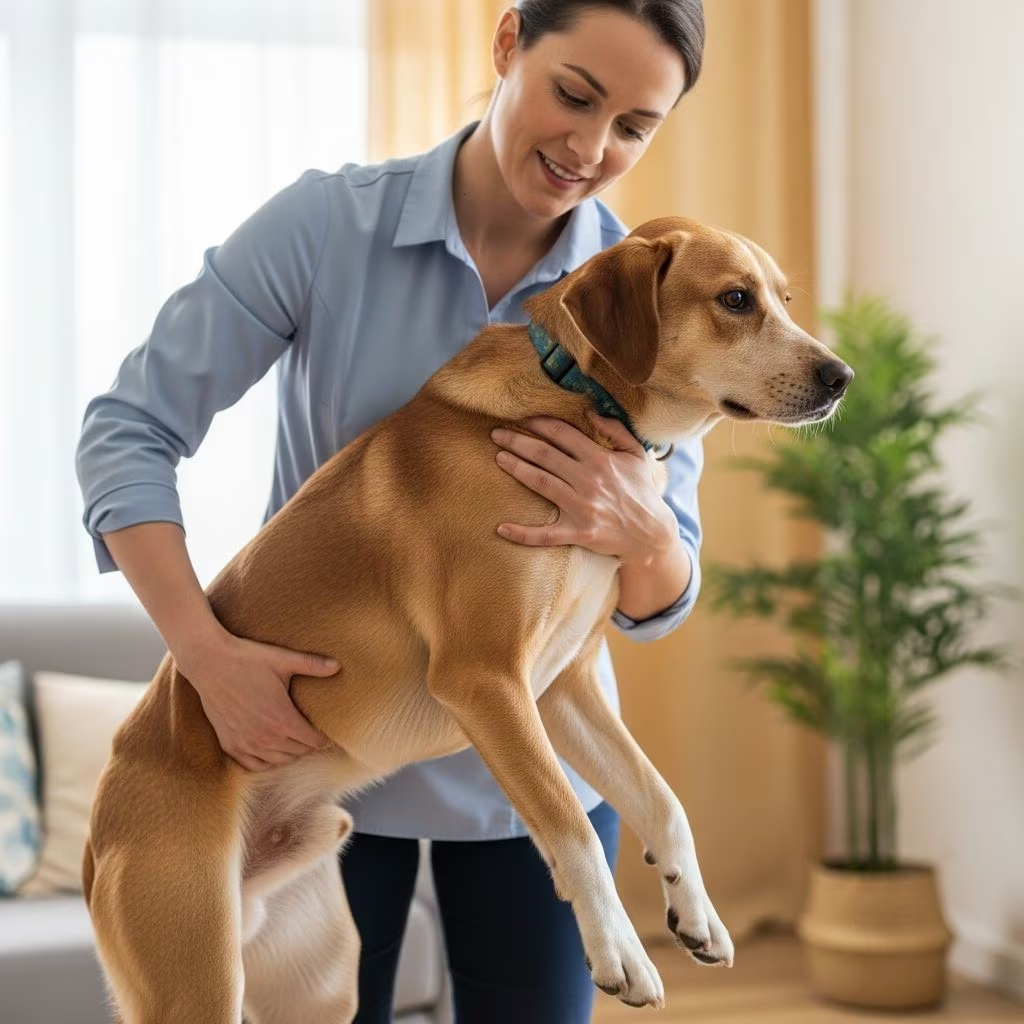
Properly lifting your dog is crucial for preventing injuries to both your pet and yourself. Incorrect methods can strain a dog’s joints, exacerbate arthritis, or cause back problems for owners. This guide provides step-by-step techniques based on dog size, training strategies for assistance tools, and long-term strategies to minimize lifting needs.
Why Proper Lifting Matters for Your Dog’s Health
Dogs rely on their owners for assistance in daily activities like entering vehicles or climbing onto furniture. However, poor lifting can lead to joint stress, particularly in the shoulders, hips, and spine. Veterinary experts emphasize supporting the body’s natural structure to distribute weight evenly. For senior dogs or those with mobility issues, consistent safe practices reduce pain and prolong comfort.
Owners also benefit: lifting with legs instead of the back prevents personal injuries. Studies in veterinary ergonomics highlight high-risk scenarios like handling large animals without aids.
Essential Principles Before Any Lift
- Assess your dog’s size, weight, and health conditions like arthritis or recent injuries.
- Give a verbal cue to avoid startling them, building trust over time.
- Bend at the knees, engage your core, and keep the dog close to your body.
- Avoid grabbing legs, collar, or armpits, as this twists joints unnaturally.
Lifting Methods by Dog Size
Tailor your approach to your dog’s build for optimal safety. Below are detailed instructions for each category.
Small Dogs (Under 20 lbs)
For lightweight companions, use a secure chest-supported hold. Slide one arm under the chest between front legs, supporting the ribcage. Tuck the hindquarters against your side with your other arm or body. Lift smoothly while keeping your back straight. This method cradles the dog naturally, mimicking how mothers carry pups.
Medium Dogs (20-50 lbs)
Position one arm behind the hind legs at the pelvis and the other across the chest in front of the shoulders. Hug the dog firmly to your chest before standing. Use leg power to rise, avoiding torso twists. This two-point support prevents sagging and joint torque.
| Dog Size | Primary Support Points | Key Tips |
|---|---|---|
| Small (<20 lbs) | Chest + Hindquarters | Tuck close; verbal cue first |
| Medium (20-50 lbs) | Chest + Pelvis | Hug to chest; lift with legs |
| Large (>50 lbs) | Use aids or helper | Ramp preferred; staged lift |
Large and Giant Breeds (Over 50 lbs)
Solo lifts risk injury for dogs over 40-50 lbs. Instead, recruit a helper: one person supports front chest between legs, the other lifts under the abdomen ahead of hind legs. Keep the dog close, squat together, and rise in unison using legs. For solo scenarios, opt for ramps or staged methods like lifting front half first onto a ledge.
Special Considerations for Injured or Anxious Dogs
Fractious or pained dogs require caution. Use a slip leash for control and a towel slung under the abdomen for hoist support, ideal for vet tables. For wounds, let injured limbs dangle freely—do not manipulate them. Support the pelvis gently if abdominal issues exist. Always prioritize calm; sudden moves can provoke defensive reactions.
Training Your Dog for Comfortable Handling
Desensitization builds acceptance. Start with gentle spine touches paired with treats, progressing to under-body support and light lifts. Steps: touch sides, slide under ribs, hug chest, then lift incrementally. Repeat daily for fluency.
- Place hands on spine sides; treat.
- Move one hand under ribcage; treat repeatedly.
- Add opposite chest support; treat.
- Apply hugging pressure; treat.
- Increase lift height gradually; treat at each level.
This positive reinforcement turns handling into a rewarding routine.
Using Ramps and Steps as Lifting Alternatives
Ramps excel for heavy, senior, or joint-compromised dogs, eliminating lift needs. Train with treats: scatter on the surface, build a trail, add peanut butter for traction confidence. Practice fluency before real use, like car entry.
- Select non-slip, adjustable models fitting your car or furniture height.
- Custom builds work for homes; ensure stable bases.
- Steps suit shorter rises, like beds.
Veterinary guidelines recommend height-adjustable tables and gurneys to cut bending.
Preventing Joint Wear from Jumping
Frequent leaps strain joints cumulatively. Mitigate by:
- Training “wait” cues before lifts or ramps.
- Placing steps beside furniture.
- Securing rugs for slip-free landings.
- Clearing jump zones of obstacles.
For determined jumpers, consistent training redirects to safer paths, preserving long-term mobility.
Tools and Equipment Recommendations
Enhance safety with purpose-built gear:
- Lift harnesses: Distribute weight across chest and rear.
- Stretchers: For emergencies or transport.
- Vehicle ramps: Foldable for SUVs.
- Slings/towels: Quick improvised supports.
Store accessible; train dogs on them routinely.
Frequently Asked Questions
Can I lift my dog by the collar or legs?
No— this pressures the throat or twists joints painfully.
How often should I use ramps for seniors?
Daily for cars, furniture; prevents arthritis progression.
What if my dog resists training?
Go slower with high-value treats; no pressure, let them lead.
Is it safe for pregnant dogs?
Use ramps; consult vet for minimal handling.
How to lift post-surgery?
Follow vet advice; sling supports only non-injured areas.
Long-Term Joint Health Strategies
Beyond lifting, incorporate supplements like glucosamine (vet-approved), weight management, and low-impact exercise. Regular check-ups catch issues early. These habits ensure your dog stays active pain-free.
References
- How to Safely Lift Your Dog and Protect Their Joints — Vetnique Labs. 2023. https://vetnique.com/blogs/vets-corner/how-to-safely-lift-your-dog
- Lifting Your Dog — Whole Dog Journal. 2023. https://www.whole-dog-journal.com/care/lifting-your-dog/
- How to safely lift fractious dogs — dvm360. 2022-10-12. https://www.dvm360.com/view/how-safely-lift-fractious-dogs
- How to Safely Lift Large Dogs: Tips, Techniques & Tools — Southeast Veterinary Neurology (YouTube). 2023. https://www.youtube.com/watch?v=Lk00PsF0jAM
- Safe Lifting and Back Protection — CVMA Watchdog. 2016-06. https://cvma-watchdog.net/wp-content/uploads/2016/06/Safe_Lifting_Back_Protection.pdf
- Information sheet, lifting and transporting pets — WM Referrals. 2023. https://www.wm-referrals.com/images/content/factsheets/lifting-and-transporting-pets.pdf



