

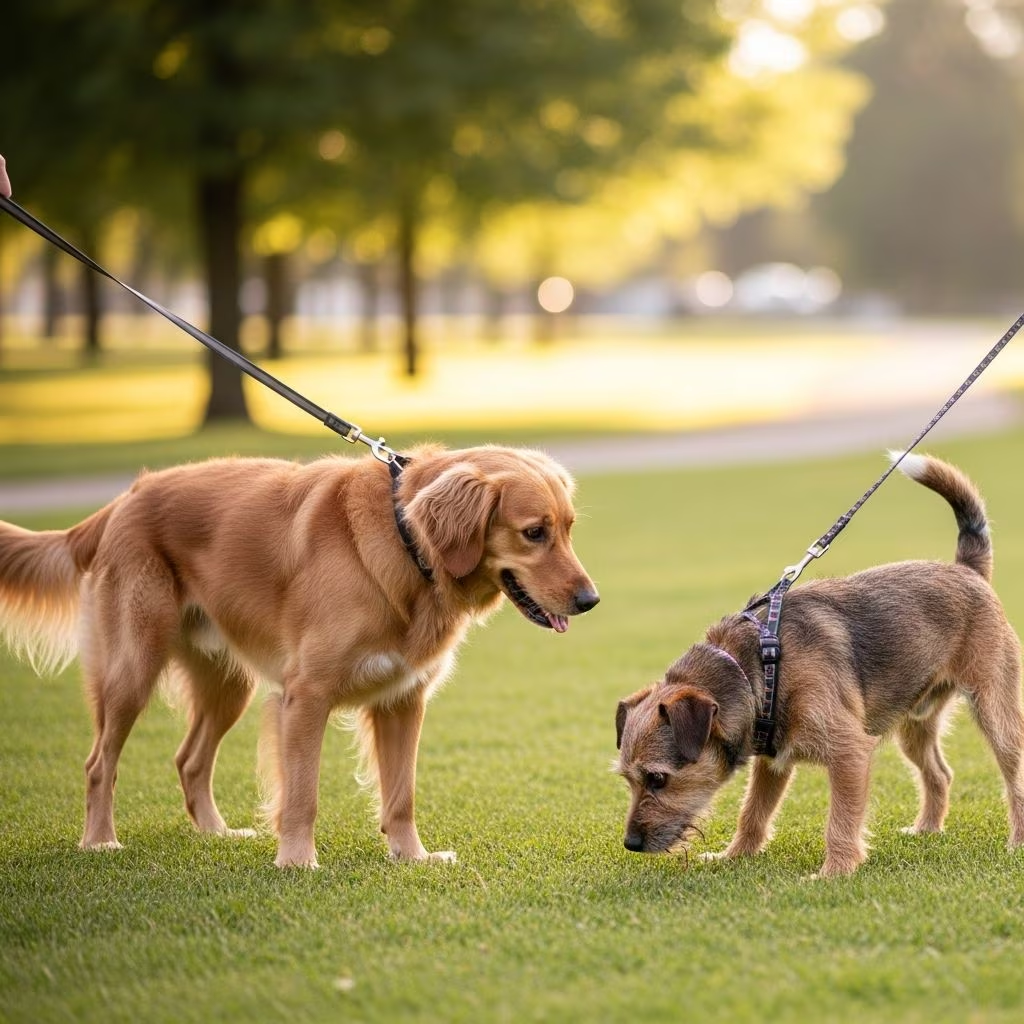
Bringing a new dog into a home with an existing pet requires careful planning to foster harmony rather than hostility. Proper introductions can set the foundation for a peaceful multi-dog household, while rushed meetings often lead to tension or fights. This guide outlines a structured approach drawn from veterinary and behavioral best practices, emphasizing neutral settings, gradual exposure, and attentive monitoring.
Why Proper Introductions Matter for Canine Harmony
Dogs are social animals, but their instincts can trigger defensiveness in unfamiliar situations. A resident dog may perceive a newcomer as a threat to resources like food, space, or attention, leading to resource guarding or territorial aggression. Statistics from animal shelters indicate that poor introductions contribute to many rehoming cases, underscoring the need for methodical steps.
Successful meetings promote positive associations, reducing stress hormones like cortisol and encouraging play behaviors. Key benefits include enhanced mental stimulation for both dogs, stronger pack bonds, and fewer behavioral issues long-term. Always prioritize safety by involving at least two handlers and consulting a professional trainer if either dog shows reactivity.
Selecting the Ideal First Meeting Location
Neutral territory is paramount to avoid territorial disputes. Avoid your home, yard, or regular walking routes where the resident dog feels ownership. Opt for enclosed public parks during quiet hours, rented dog parks via apps like Sniffspot, or a friend’s spacious fenced yard.
- Enclosed and spacious: Ensures dogs can’t escape and have room to maneuver without feeling cornered.
- Free of distractions: No toys, food bowls, or high-traffic areas that could spark competition.
- Weather-appropriate: Mild conditions prevent additional discomfort.
Preparation involves exercising both dogs beforehand through walks or play to burn energy, promoting calmer demeanors. Equip each with a harness and a long, dragging leash for control without tension.
Mastering the Parallel Walk Technique
The parallel walk serves as an ideal low-pressure opener, allowing dogs to exchange scents without direct confrontation. Two handlers walk dogs side-by-side or parallel across a street, maintaining 20-50 feet initially.
| Step | Action | Purpose |
|---|---|---|
| 1. Establish distance | Walk parallel; one dog ahead, then switch. | Dogs notice each other calmly via sight and smell. |
| 2. Monitor body language | Look for loose tails, relaxed ears, occasional glances. | Detect early stress like stiffening or staring. |
| 3. Gradually close gap | Use curves; reward calm with praise or treats. | Builds positive associations without overwhelm. |
| 4. Incorporate cues | ‘Sit,’ ‘Look,’ or scent games if relaxed. | Redirects focus, reinforces obedience. |
If arousal spikes—hacking leashes, lunging—increase distance immediately. Sessions should last 15-30 minutes, repeated over days if needed.
Progressing to Off-Leash Interactions in Controlled Spaces
Once parallel walks succeed, transition to a fenced neutral area. Enter one dog first, allowing sniffing of the gate, then introduce the second without face-to-face pressure.
- Keep leashes dragging loosely; handlers stay behind dogs.
- Encourage movement to prevent standoffs—walk laps together.
- Allow brief butt sniffs (3 seconds max), then separate with cheerful calls and rewards.
- Repeat cycles, watching for play bows or mutual disinterest as green lights.
End on a high note before fatigue sets in. Red flags include freezing, lip curling, or resource hovering—pause and extend desensitization.
Body Language Essentials: Reading Your Dogs’ Signals
Understanding canine communication prevents escalations. Relaxed dogs exhibit wiggly bodies, play bows, and yawn stretches. Stress indicators demand intervention:
- High stress: Whale eye (whites showing), tucked tail, trembling, growling.
- Moderate tension: Stiff posture, averted gaze, lip licking, yawning excessively.
- Pre-aggression: Raised hackles, intense staring, paw over paw, snarling.
Narrate calmly using the ‘Mr. Rogers’ method: ‘Good friends meeting nicely!’ This soothes handlers too, modeling confidence.
Bringing the New Dog Home: Indoor Integration Strategies
Post-outdoor success, prepare your home by removing valuables—beds, toys, bowls. Use baby gates for visual access without contact.
- Feed separately; rotate rooms for rest.
- Supervised short visits, leashes on indoors initially.
- Enrich alone time with chews to ease adjustment.
Monitor for 24-48 hours; full freedom only after weeks of positivity. Multiple resident dogs? Introduce singly.
Special Considerations for Reactive or Fearful Dogs
Dogs with leash reactivity or fear histories need slower pacing. Prioritize desensitization: distant exposures with counter-conditioning (treats for sightings).
- Barriers like pens for safe sniffing.
- Professional oversight for high-risk pairs.
- Weeks of parallel work before close contact.
Age matters—puppies adapt faster, seniors slower. Same-sex pairs may face more friction; opposite sexes often mesh easier.
Common Pitfalls and How to Avoid Them
Rushed intros, tight leashes, and resource presence top mistakes. Off-leash in unfenced areas risks runaways. Always have an exit plan.
| Pitfall | Consequence | Avoidance |
|---|---|---|
| Rushing pace | Fear-based aggression | Multiple short sessions |
| Tight leashes | Heightened frustration | Loose or dragging only |
| Home as first spot | Territorial fights | Neutral venues first |
| Ignoring signals | Escalated conflict | Study body language |
Building Long-Term Companionship
Beyond intros, joint training, walks, and play solidify bonds. Equal attention prevents jealousy. Annual vet checks ensure health doesn’t fuel irritability.
Track progress in a journal: interaction quality, sleep patterns, appetite. Patience yields companions for life.
Frequently Asked Questions
How long does it take for dogs to get along?
Days to months; observe consistent relaxation before unsupervised time.
What if my dog is food aggressive?
No treats during intros; manage meals rigidly apart.
Can I introduce puppies differently?
Yes, shorter sessions, more narration for security.
Is professional help necessary?
For reactivity histories, yes—seek certified trainers.
What about opposite-sex introductions?
Often smoother, but monitor for mounting behaviors.
References
- How to Introduce a New Dog to Your Current Dog — Preventive Vet. 2023-10-15. https://www.preventivevet.com/dogs/how-to-introduce-dogs
- The Best Way to Introduce Dogs to Each Other — Aggressive Dog. 2024-09-01. https://aggressivedog.com/2024/09/01/the-best-way-to-introduce-dogs-to-each-other/
- Dog-to-Dog Introductions — Wisconsin Humane Society. 2024-01-01. https://www.wihumane.org/dog-to-dog-intros
- Introducing Dogs at Home: The Complete Guide — San Diego Humane Society. 2023-05-20. https://sdhumane.org/resources/introducing-dogs-at-home-complete/
- How to: Dog to Dog Introductions — Foster Dogs NYC. 2022-11-10. https://www.fosterdogsnyc.com/blog/dog-dog-introductions
- How to Introduce Dogs to Each Other — Best Friends Animal Society. 2024-03-12. https://bestfriends.org/pet-care-resources/how-introduce-dogs-each-other



