

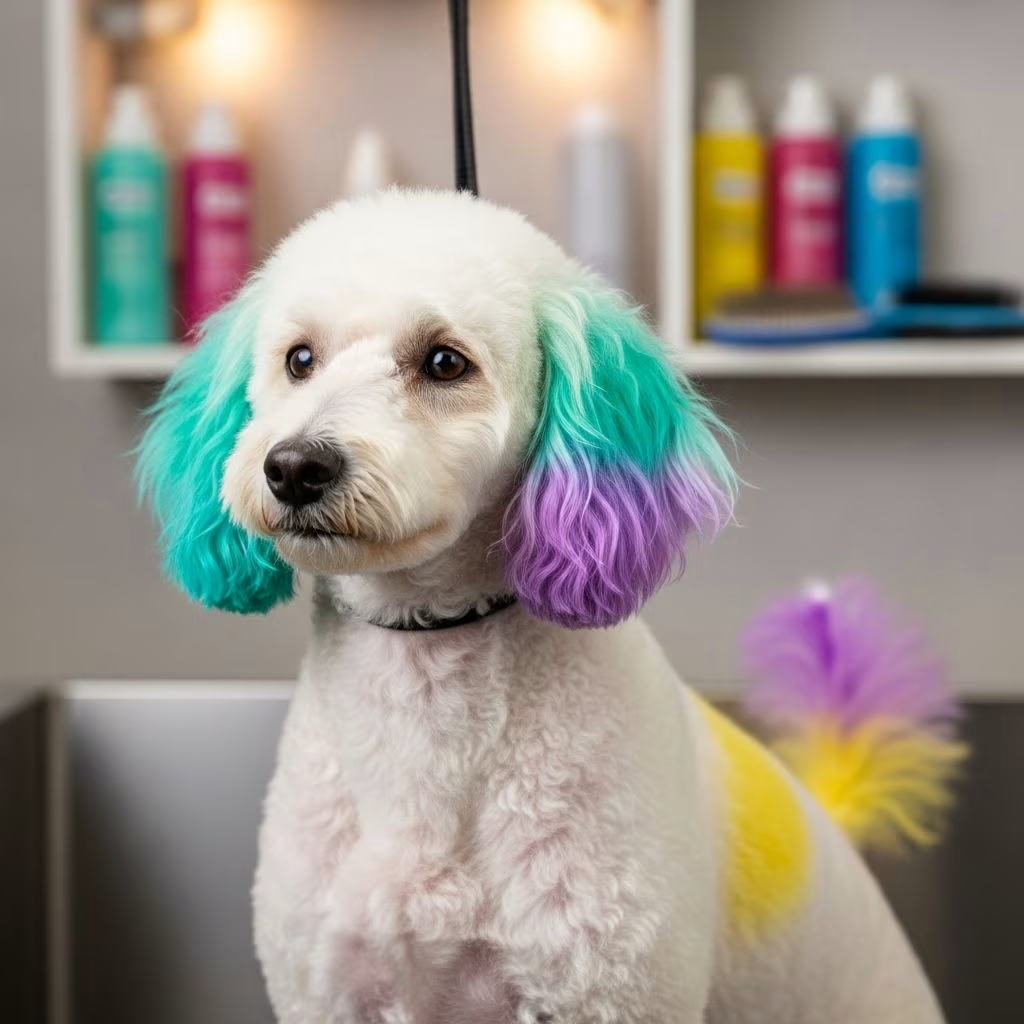
Coloring a dog’s fur can add a fun, creative touch to grooming, but prioritizing safety is crucial to prevent health issues. This guide covers everything from product selection to aftercare, ensuring vibrant results without compromising your pet’s well-being.
Why Pet Owners Consider Fur Coloring
Many dog owners experiment with fur coloring for holidays, photoshoots, or simply to match their pet’s personality. Trends in creative grooming have popularized vibrant hues, turning ordinary dogs into eye-catching stars at events. However, the process must respect the animal’s sensitive skin and coat structure, which differs significantly from human hair.
Dogs have a double coat in many breeds, with a softer underlayer and coarser guard hairs that regulate temperature and protect against elements. Introducing dyes requires products that won’t disrupt this natural barrier or cause ingestion-related problems, as dogs frequently lick their fur.
Risks of Using Human Hair Dyes on Dogs
Human hair dyes pose severe dangers due to their chemical composition. Ingredients like ammonia, peroxide in high concentrations, and para-phenylenediamine can lead to chemical burns, allergic reactions, and long-term immune system damage. These substances are designed for human scalps, which are thicker and less absorbent than canine skin.
- Chemical Burns: Harsh bleaches strip natural oils, causing irritation and sores.
- Allergic Reactions: Swelling, hives, or respiratory distress from synthetic fragrances and dyes.
- Toxicity from Ingestion: Licking dyed fur introduces carcinogens into the digestive system, potentially leading to poisoning or cancer risks.
- Skin Diseases: Chronic exposure may trigger yeast infections or dermatitis.
Reports highlight cases where dogs suffered hemolytic anemia from “natural” human dyes like henna, underscoring that even plant-based options aren’t always safe for pets.
What Makes Pet-Safe Dyes Different
Pet-specific dyes are formulated with non-toxic, low-peroxide or peroxide-free ingredients tailored for animal fur. Brands undergo rigorous testing, such as cytotoxicity evaluations by labs like SGS, achieving top safety ratings (e.g., Level 1, indicating minimal cellular damage).
Key differences include:
| Aspect | Human Dyes | Pet-Safe Dyes |
|---|---|---|
| Peroxide Level | High (for bleaching) | Minimal or none; direct dark shades possible |
| Ammonia | Present (irritant) | Ammonia-free for sensitive noses |
| Toxicity Testing | Not pet-focused | Lab-certified non-toxic |
| Ingestion Safety | Harmful | Safe if licked in small amounts |
These dyes often come in semi-permanent or permanent forms, lasting weeks without frequent reapplication that could stress the skin.
Choosing the Right Pet Hair Dye Product
Select dyes from reputable groomer-supplied brands with third-party safety certifications. Look for labels specifying “pet-safe,” “non-toxic,” and “ammonia-free.” Avoid anything marketed for humans or without clear ingredient lists.
- Opt for vibrant, pet-formulated lines used in professional salons for over a decade without reported incidents.
- Consider coat type: Short-haired breeds may need lighter applications than long-haired ones.
- Check for UV-reactive or temporary options for one-off events like Halloween.
Professional groomers emphasize products that maintain fur integrity, preventing dryness or breakage.
Step-by-Step Guide to Safe Application
Proper technique minimizes stress and maximizes safety. Always work in a well-ventilated area and wear gloves.
- Prepare the Coat: Bathe and brush thoroughly 24-48 hours prior to allow natural oils to replenish.
- Perform a Patch Test: Apply a small amount to the inner thigh; wait 24 hours monitoring for redness or itching.
- Protect Sensitive Areas: Use petroleum jelly around eyes, mouth, nose, and genitals.
- Apply Dye: Section fur, mix per instructions, and brush on evenly. Avoid over-saturation.
- Process and Rinse: Let sit as directed (usually 10-20 minutes), then rinse with lukewarm water until clear.
- Condition: Follow with a pet-safe conditioner to restore moisture.
For multi-color designs, use stencils or clips for precision, but limit sessions to reduce handling time.
Recognizing and Handling Adverse Reactions
Even safe dyes can cause issues in sensitive dogs. Watch for symptoms post-application:
- Excessive scratching or licking.
- Skin redness, swelling, or hot spots.
- Lethargy, vomiting, or diarrhea (ingestion signs).
- Breathing difficulties or eye irritation.
If reactions occur, rinse immediately with mild shampoo and consult a vet. Severe cases may require blood tests for toxicity. Puppies, seniors, or dogs with pre-existing skin conditions should avoid dyeing altogether.
Professional Grooming vs. DIY Coloring
Professionals offer advantages like experience, proper tools, and quick processes that reduce pet anxiety. They assess suitability beforehand, stopping if the dog shows distress. DIY is feasible for confident owners but carries higher error risks.
| Factor | Professional | DIY |
|---|---|---|
| Stress Level | Lower (familiar environment) | Higher (home handling) |
| Safety Checks | Standard patch tests | Owner responsibility |
| Result Quality | Superior evenness | Variable |
| Cost | Higher upfront | Lower materials |
Groomers using certified dyes like those with SGS approval ensure compliance with industry standards.
Alternatives to Chemical Hair Dyes
For risk-averse owners, consider non-permanent options:
- Pet-Safe Sprays and Chalks: Temporary, wash-out colors for events.
- Stencils and Bandanas: Visual flair without skin contact.
- Natural Highlights: Sun exposure for subtle bleaching in light-coated dogs.
- Costume Accessories: Wigs or clips for photoshoots.
These maintain fun without health compromises.
Long-Term Care After Coloring
Post-dye maintenance preserves coat health:
- Bathe bi-weekly with color-safe shampoos.
- Brush daily to distribute oils and prevent matting.
- Moisturize with leave-in conditioners.
- Monitor regrowth; touch up sparingly every 4-6 weeks.
Avoid sun exposure immediately after to prevent fading or irritation.
Ethical Considerations in Pet Grooming
Coloring should enhance, not alter, your dog’s natural appearance for vanity. Prioritize consent-like signals: calm demeanor during prep indicates suitability. Over-dyeing for trends like hiding gray undermines pet welfare, potentially leading to addiction to unnatural looks.
Organizations caution against treating pets as fashion objects, as stress from procedures can cause behavioral issues.
Frequently Asked Questions
Can all dogs tolerate hair dye?
No, avoid on puppies under 6 months, seniors over 10 years, or those with allergies/skin issues.
How long does pet dye last?
Semi-permanent: 1-2 weeks; permanent: 4-8 weeks, fading naturally.
Is peroxide in pet dyes dangerous?
In low, tested amounts as in Level 1 SGS-rated products, no; high levels are unsafe.
What if my dog licks the dye?
Pet-safe formulas minimize harm, but distract with toys and rinse promptly.
Are there vegan pet dyes?
Many modern options are plant-based and cruelty-free.
Conclusion
With pet-safe products and careful application, dog hair coloring can be a safe creative outlet. Always prioritize health over aesthetics for a happy, stylish companion.
References
- Pet-Safe Fur Dye & Halloween Costumes — Preventive Vet. 2023-10-01. https://www.preventivevet.com/pets/halloween-pet-safe-costumes-fur-dye
- The Safety of Pet Hair Dye: Expert Insights — The Rich Groomer. 2024-05-15. https://therichgroomer.com/rich-groomer-blog/the-safety-of-pet-hair-dye-expert-insights-from-the-rich-groomer-pet-groomers-in-sacramento/
- Is Pet Hair Dye Containing Peroxide Toxic? — OPAWZ. 2024-08-20. https://www.opawz.com/blogs/tutorials/is-pet-hair-dye-containing-peroxide-toxic
- The Irreversible Damage of Dying your Dog’s Hair — WashPaw. 2017-08-30. https://www.washpaw.com/blog/2017/8/30/the-irreversible-damage-of-dying-your-dogs-hair
- Dog Hair Dye: Facts, Dangers — PETA. 2023-11-10. https://www.peta.org/news/dog-hair-dye-dangers-pooch-perfect-problems/



