

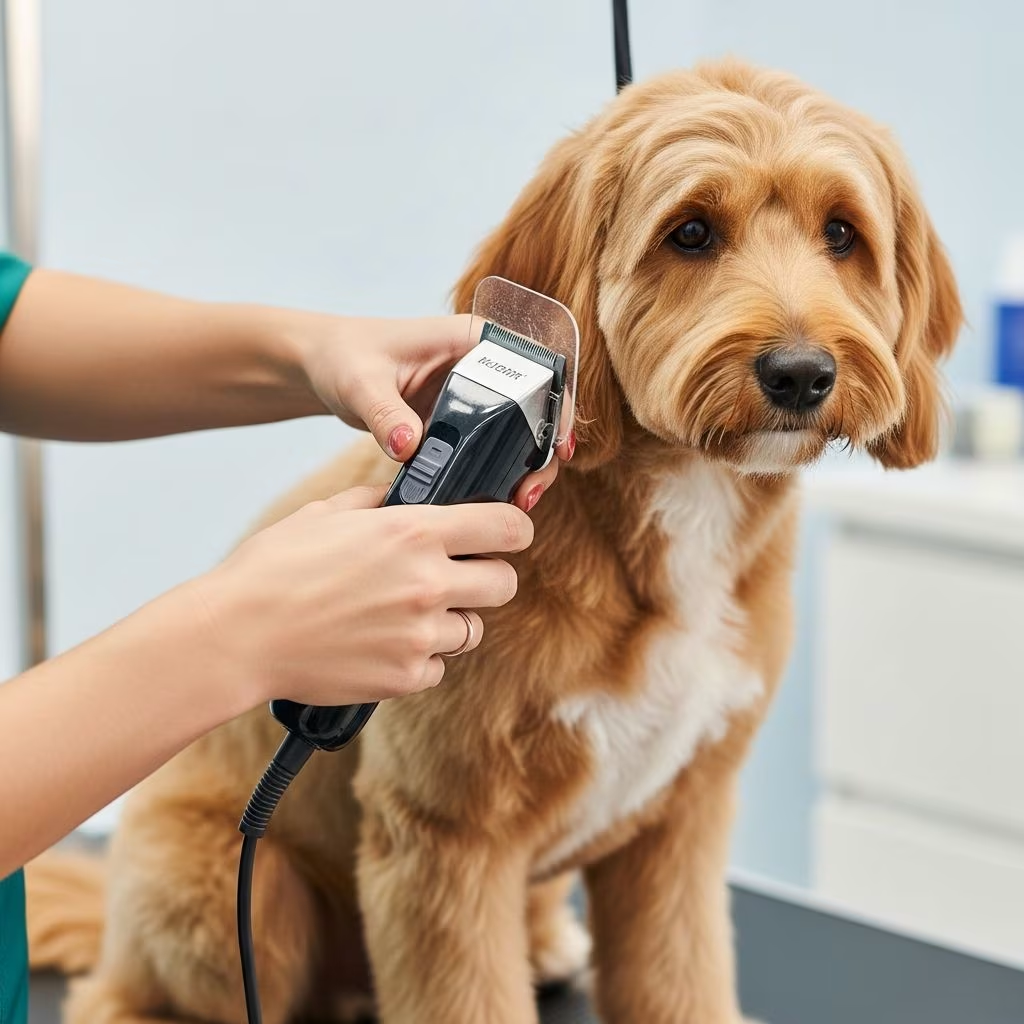
Grooming your dog at home using clippers offers convenience and cost savings, but safety must come first to prevent injuries, discomfort, or negative experiences. Proper preparation, tool selection, and techniques minimize risks like cuts, burns, and stress, allowing for effective fur maintenance year-round.
Selecting the Right Clippers for Your Dog
Choosing appropriate clippers is foundational for safe grooming. Opt for models designed specifically for pets, as human hair clippers lack the power and precision needed for canine coats. Key features include quiet operation to reduce anxiety, low vibration for comfort, and ergonomic handles to prevent hand fatigue during sessions.
Consider your dog’s coat type: thick or double coats require powerful motors, while fine fur suits lighter models. Detachable blades allow versatility, with snap-on combs adding a protective layer between blade and skin. Blades made from ceramic or stainless steel resist overheating, a common hazard that can burn sensitive skin.
- Quiet motors: Minimize noise to keep sensitive dogs calm.
- Low vibration: Reduces stress during prolonged use.
- Ergonomic design: Ensures steady grip for precise cuts.
- Cooling blades: Ceramic options stay cooler longer.
Invest in quality to avoid frequent replacements; cheap clippers often overheat quickly or dull prematurely, increasing accident risks.
Preparing Your Dog for a Clipper Session
Preparation sets the stage for success. Begin with a bath using dog-safe shampoo to remove dirt and oils, followed by thorough drying. Wet or dirty fur clogs blades, pulls hair painfully, and heightens irritation risks.
Brush out tangles and mats beforehand with a wide-tooth comb. Mats trap clippers, yanking skin and causing discomfort. For matted areas, carefully cut them out with scissors rather than forcing clippers through.
Acclimate your dog to the clippers gradually. Turn them on nearby without touching, rewarding calm behavior with treats. Short introductory sessions build positive associations, especially for puppies or fearful breeds.
| Prep Step | Purpose | Tools Needed |
|---|---|---|
| Bathe and dry | Prevents clogging and pulling | Shampoo, towels, dryer |
| Brush thoroughly | Removes mats and tangles | Slicker brush, comb |
| Acclimation | Reduces fear and stress | Treats, clippers (off) |
Mastering Clipper Techniques Step-by-Step
Follow a systematic approach for even, safe results. Start on the body, moving against or with hair growth depending on coat direction—test a small area first. Use light pressure; let the clipper’s weight guide the cut to avoid digging into skin.
- Body trimming: Long, smooth strokes from neck to tail. Keep skin taut by gently pulling ahead of the blade.
- Legs and paws: Lift paws individually, trim between toes and pads carefully to prevent slipping.
- Sanitary areas: Use shorter blades or guards; work slowly around genitals and tuck-up to avoid nicks.
- Ears and face: Hold ears flat, clip from base outward. Avoid eyes and flaps where skin folds hide.
Guide combs provide a buffer, ideal for novices, ensuring blades don’t contact skin directly. Always roll skin forward and hold taut in loose areas like armpits or flanks.
Critical Safety Measures During Grooming
Safety protocols prevent most accidents. Monitor blade temperature frequently—metal conducts heat rapidly from friction. Test on your wrist; if hot, pause, apply cooling spray, or switch speeds to low. Clipping on low speed slows heating while maintaining cut quality.
Never rush; work in sections, taking breaks for anxious dogs. Watch body language: lip-licking, yawning, or tensing signals distress—stop immediately. Use styptic powder for minor nicks to staunch bleeding swiftly.
Avoid sensitive zones with clippers; opt for scissors on faces, genitals, and wrinkles. Note lumps or growths during drying, as airflow reveals them—navigate carefully.
- Check blades every 5-10 minutes for heat.
- Maintain skin tension to prevent folds from catching.
- Employ guards for close trims on unsure areas.
Common Mistakes and How to Avoid Them
Even experienced owners err, but awareness averts harm. Rushing leads to uneven cuts and slips; patience yields professional finishes.
Dull blades tug hair painfully—inadequate cuts signal sharpening or replacement time. Dirty blades cause “clipper burn,” irritation mimicking burns from friction on unclean fur.
Pressing too hard or using inappropriate blades (e.g., wide-tooth on genitals) invites cuts. Wrong speed overheats blades faster; start low for control.
| Mistake | Risk | Prevention |
|---|---|---|
| Rushing | Uneven cuts, nicks | Work slowly in sections |
| Dull blades | Pulling, irritation | Sharpen/replace regularly |
| Hot blades | Burns | Cool frequently, use spray |
| No prep | Clogging, mats | Bathe, brush first |
Clipper Maintenance for Longevity and Safety
Post-grooming care keeps tools performant. Brush blades immediately to remove packed hair, preventing clogs. Spray with sanitizer, lubricate moving parts, and store dry.
Clean after every use; residue dulls edges and harbors bacteria. Disassemble detachable blades for deep cleaning. Regular oiling reduces friction, minimizing heat buildup in future sessions.
Inspect cords for frays and batteries for charge in cordless models. Professional servicing annually ensures peak condition.
Handling Special Cases and Breeds
Adapt techniques for unique needs. Double-coated breeds like Huskies risk brush burns without full undercoat removal first—use deshedding tools. Short-nosed dogs need extra face caution.
Senior or arthritic dogs tire quickly; limit sessions to 15 minutes. Puppies require gentler, quieter clippers to foster trust.
FAQs
How often should I groom my dog with clippers? Depends on breed; short coats every 6-8 weeks, long every 4-6. Monitor for matting.
What if my dog hates clippers? Desensitize gradually with rewards. Consider professional help if phobia persists.
Can clippers cause burns? Yes, from heat or friction. Always check temperature and prep fur properly.
Are cordless clippers safe? Yes, if battery-powered with safety locks; ensure full charge to avoid mid-cut stops.
When to see a pro? For intricate breeds, mats, or skin issues—don’t risk injury.
Advanced Tips for Professional Results
For salon-quality trims, layer blades: longer on body, shorter on legs. Blend transitions with shears. Practice on stuffed toys first. Invest in multiple blade sizes for versatility.
Record sessions to refine technique. Join grooming forums for breed-specific advice, always prioritizing safety.
References
- Clipping Made Easy: How to Use Dog Clippers Safely and Effectively — Clipit Grooming. 2023. https://www.clipit-grooming.com/post/clipping-made-easy-how-to-use-dog-clippers-safely-and-effectively
- 7 Safety Tips Every Dog Groomer Should Know — PetEdge. 2022. https://www.petedge.com/blog/seven-safety-tips/
- Grooming a Dog With Clippers: How to Give a Dog a Haircut at Home — Chewy. 2024. https://www.chewy.com/education/dog/grooming/grooming-a-dog-with-clippers
- How to properly use a dog clipper to give your dog a haircut — YouTube. 2023. https://www.youtube.com/watch?v=MRBmOZTcXZ8
- Avoid Common Pet Clipper Mistakes | Pet Grooming Tips — ABK Grooming. 2023. https://www.abkgrooming.com/blogs/latest-blog/common-mistakes-of-pet-clippers
- Mistakes to Avoid When Using Clippers for Dog Grooming — Petsies. 2022. https://www.mypetsies.com/blog/guest-blog/dog-grooming/
- Pet Clipper Training: Learn, Choose and Maintain Like a Pro — Artero. 2024. https://artero.com/uk/petcare/blog/post/pet-clipper-training-guide
- The Groomer Professional’s Guide to Pet Clippers — Gingr. 2023. https://www.gingrapp.com/blog/the-groomer-professionals-guide-to-pet-clippers-gingr



