

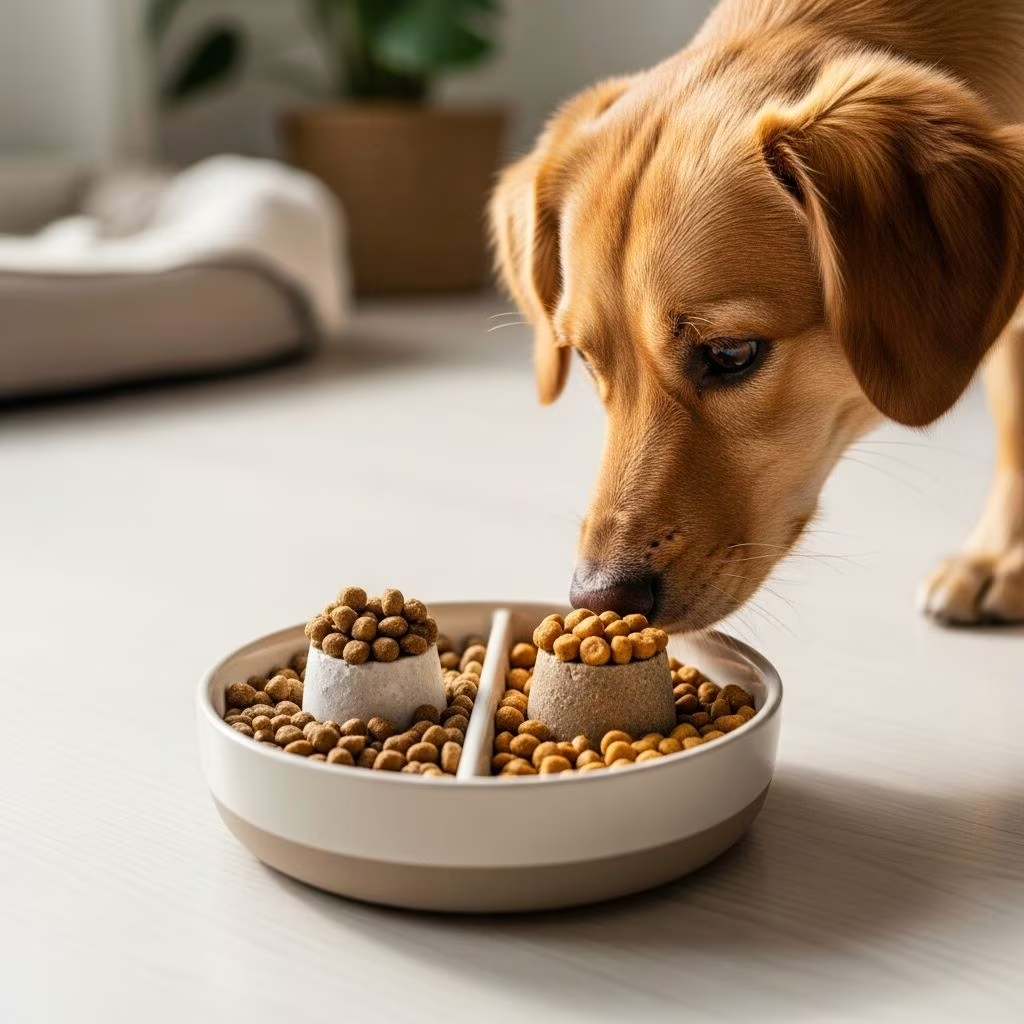
Switching your dog’s food requires careful planning to avoid digestive disruptions. A gradual approach allows the canine gut to adapt, minimizing risks like diarrhea or vomiting while maximizing nutritional benefits from the new diet.
Why Gradual Transitions Matter for Canine Health
Dogs’ digestive systems thrive on consistency. Abrupt diet shifts disrupt the gut microbiome—the community of bacteria essential for breaking down food. This imbalance can lead to soft stools, gas, nausea, or refusal to eat, compromising overall well-being.
Sensitive stomachs, common in puppies, seniors, or breeds like Bulldogs and Labradors, heighten vulnerability. Even hardy dogs may react to ingredient changes, such as new proteins or fibers. Veterinary consensus emphasizes 7-14 day transitions to recalibrate digestion safely.
Recognizing Signs of a Too-Quick Switch
Monitor for these red flags during any food change:
- Loose or frequent stools indicating poor nutrient absorption
- Excessive gas or bloating from fermenting undigested food
- Vomiting, especially post-meal
- Lethargy or appetite loss signaling discomfort
- Scratching or coat dullness from nutrient gaps
If symptoms persist beyond 48 hours, revert to the previous ratio and extend the timeline. Persistent issues warrant veterinary consultation to rule out allergies or underlying conditions.
Step-by-Step 7-Day Transition Plan
This proven schedule suits most dogs, blending old and new kibble, wet food, or fresh options. Adjust portions based on daily intake (e.g., for a 50-lb dog eating 2 cups daily).
| Days | Old Food | New Food | Notes |
|---|---|---|---|
| 1-2 | 75% | 25% | Introduce slowly; watch stool firmness |
| 3-4 | 50% | 50% | Mix thoroughly; ensure even distribution |
| 5-6 | 25% | 75% | Monitor energy and appetite |
| 7+ | 0% | 100% | Fully transitioned if no issues |
For sensitive dogs, stretch to 10-14 days by halving increments (e.g., 10% increases). High-fiber or raw diets demand even slower pacing due to digestion challenges.
Special Considerations for Different Life Stages
Puppies and Growing Dogs
Young pups under 12 months (or 24 for giants) have developing microbiomes. Transition over 10-14 days when shifting from puppy to adult formulas, as calorie and calcium needs evolve.
Senior Dogs
Aging guts process changes slower. Opt for senior-specific foods with joint support and digestibility aids. Prolong transitions to 2 weeks, incorporating probiotics for microbiome stability.
Pregnant or Nursing Mothers
These dogs face peak nutritional demands. Increase calories gradually with puppy or performance foods. Veterinary oversight is crucial during transitions to prevent energy dips.
Reasons to Change Your Dog’s Food
Beyond routine switches, consider these triggers:
- Health Needs: Prescription diets for allergies, obesity, or kidney issues require precise transitions.
- Weight Management: High-fiber weight-loss formulas demand caution to avoid bloating.
- Seasonal or Activity Shifts: Active dogs may need calorie boosts; winter formulas add fats.
- Quality Upgrades: Moving to premium foods with better proteins enhances coat shine and vitality within weeks.
Rotational feeding—cycling proteins monthly—promotes nutrient variety but follows the same gradual protocol to prevent sensitivities.
Boosting Success with Supplements and Tips
Probiotics restore gut balance, reducing gas during changes. Pumpkin puree (1-2 tsp per meal) adds fiber for stool firmness. Ensure constant fresh water to aid digestion.
Practical tips:
- Store foods separately until mixing to preserve freshness.
- Weigh portions for accuracy, avoiding free-feeding.
- Feed at consistent times to reduce stress.
- Exercise post-meal to stimulate digestion.
Positive Outcomes After a Successful Switch
Patience pays off. Expect these improvements:
- Week 1: Firmer stools, steady appetite.
- Weeks 2-4: Shinier coat, more energy, better breath.
- Months 2-3: Ideal weight, reduced itching, vibrant health.
Studies link balanced diets to longer lifespans, with fresh-food-fed dogs outliving kibble-only peers by years, underscoring transition worth.
When to Seek Professional Advice
Not all reactions resolve with slowing. Consult a vet if:
- Symptoms last over 3 days.
- Blood appears in stool or vomit.
- Dehydration signs emerge (dry gums, sunken eyes).
- Behavioral changes like aggression occur.
Allergists can test for protein sensitivities; nutritionists tailor plans.
Frequently Asked Questions
How long should a dog food transition take?
Minimum 7 days for healthy adults; 10-14 for sensitive or special-needs dogs.
Can I switch wet to dry food abruptly?
No—hydration differences require gradual mixing to prevent constipation.
What if my dog refuses the mix?
Tempt with warm water or toppers; if persistent, reassess food palatability.
Is rotational feeding safe?
Yes, with 7-day transitions between proteins to avoid deficiencies.
Do puppies need different transitions?
Yes, slower due to immature digestion—consult a vet.
Long-Term Nutrition Strategies
Beyond single switches, maintain variety through safe rotations. Alternate proteins (chicken to fish) quarterly for broad nutrient exposure without overload. Track body condition scores monthly: ideal is visible waist, palpable ribs.
Pair diet with wellness checks. Annual bloodwork reveals if nutrition supports organ health. For raw or fresh shifts, freeze-thaw cycles ease bacterial risks while building tolerance.
Empower your dog’s vitality through informed changes. Gradualism isn’t just best practice—it’s a commitment to their thriving gut and joyful life.
References
- A Complete Guide to Transitioning Dog and Cat Food — Nulo. 2023. https://nulo.com/blogs/nutrition/a-complete-guide-to-transitioning-dog-and-cat-food
- Implications of Changing Your New Dog’s Dog Food — Hill’s Pet. 2024. https://www.hillspet.com/dog-care/nutrition-feeding/effects-of-changing-new-dogs-food
- How to Transition Dog Food: How and Why You Should Switch Food — Kinship. 2023. https://www.kinship.com/dog-nutrition/how-to-switch-dog-food
- When (and How) to Change Your Dog’s Food — Zoetis Petcare. 2024. https://www.zoetispetcare.com/blog/article/change-dog-food
- Changing Dog Food | Dog Food Transition Schedule — Embrace Pet Insurance. 2023. https://www.embracepetinsurance.com/waterbowl/article/switching-dog-food
- Discover the dos and don’ts of switching your pet’s food — Pet Food Australia. 2024. https://www.petfoodaustralia.com.au/blogs/news/changing-your-pets-food



