

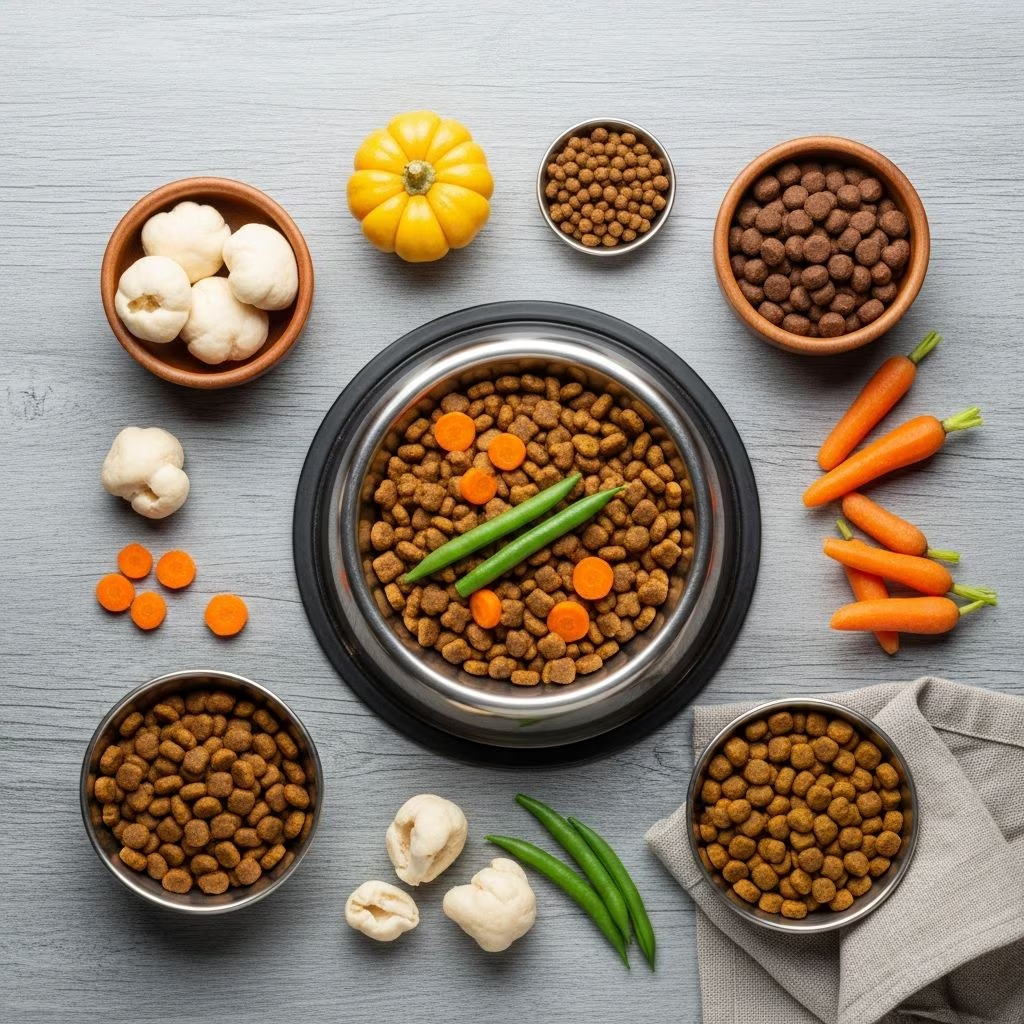
Providing your dog with proper nutrition goes beyond filling a bowl—it’s about ensuring every meal supports their vitality, growth, and long-term well-being. This guide explores practical, evidence-based approaches to feeding, drawing from veterinary recommendations to help you navigate choices that safeguard health while minimizing risks like obesity, digestive upset, and contamination.
Understanding Nutritional Balance for Canines
A dog’s diet must supply proteins for muscle repair, fats for energy, carbohydrates for fuel, plus vitamins, minerals, and water to sustain all bodily functions. Commercial foods formulated under established standards guarantee this completeness, adapting to life stages from puppyhood to senior years.
Selecting the right product starts with scrutinizing labels. Look for a nutritional adequacy statement confirming the food meets requirements for specific stages like growth, adult maintenance, or reproduction. This declaration, often in fine print, verifies the formula’s completeness based on rigorous testing protocols.
Key label elements include the guaranteed analysis showing nutrient percentages, an ingredient list ordered by weight predominance, and feeding directions tailored to body weight and activity. For instance, a label might direct ½ cup twice daily for a 10- to 15-pound adult to sustain ideal condition.
- Protein: Essential for tissue building; prioritize animal sources for bioavailability.
- Fats: Provide concentrated energy; omega-3s support skin and coat.
- Carbohydrates: Digestible sources like grains or veggies offer sustained energy without excess.
- Micronutrients: Vitamins A, E, and minerals like calcium balance skeletal health.
Individual needs fluctuate with breed size, age, activity level, and health status. Large breeds may demand more frequent meals and calories, while seniors require adjusted formulas to manage joint issues or reduced metabolism.
Establishing an Optimal Feeding Routine
Consistency in meal timing fosters digestive stability and prevents issues like gastric acidity buildup. Veterinary experts advocate dividing daily intake into two meals, spaced 8-12 hours apart, for most adults. Puppies benefit from 3-4 smaller portions to match rapid growth demands, transitioning gradually as they mature.
Three primary methods suit different lifestyles:
| Method | Description | Best For | Potential Drawbacks |
|---|---|---|---|
| Portion-Control | Measure exact amounts per meal based on weight and needs. | Weight management, multi-dog homes. | Requires daily measuring. |
| Free-Choice | Food available continuously, ideal for dry kibble. | Nursing mothers, self-regulating eaters. | Risk of overeating and obesity. |
| Timed Feeding | Portion offered for 15-30 minutes, then removed. | Picky eaters, training routines. | May lead to begging if not consistent. |
Feed in a calm, designated spot away from distractions, especially in households with children or multiple pets. This reduces stress, prevents guarding behaviors, and ensures peaceful consumption. Separate bowls for multi-dog families minimize conflicts.
Mastering Portion Control and Treat Management
Overfeeding remains a top dietary error, often fueled by generous treats or scraps. Limit extras to 10% or less of daily calories—ideally 5%—to preserve nutritional equilibrium. Use tiny pieces during training and substitute with kibble portions from main meals for rewards.
Calculate portions using label guidelines, adjusting for factors like neuter status or exercise. A common pitfall: human foods contributing 20% of calories, skewing balance toward fats and disrupting health. Opt for low-calorie veggies over fatty scraps to satisfy without excess.
Sample Daily Calorie Needs
| Dog Weight (lbs) | Sedentary Adult (kcal/day) | Active Adult (kcal/day) |
|---|---|---|
| 10-15 | 400-500 | 500-600 |
| 25-50 | 800-1200 | 1200-1600 |
| 50-75 | 1200-1600 | 1600-2200 |
Note: Consult vet for precise needs; divide into 2 meals.
Transitioning Diets Without Digestive Drama
Abrupt food switches provoke diarrhea or refusal. Implement a phased approach over 7-10 days: begin with 75% old food and 25% new, progress to 50/50, then 25/75, before fully converting. Sensitive stomachs may need slower increments.
Bland diets like boiled chicken and rice aid short-term GI recovery but lack full nutrition—limit to 48 hours max. For post-surgery or illness, vets may specify heightened protein or calorie needs; never assume.
Prioritizing Hygiene and Food Safety
Pet food can harbor bacteria harmful to both dogs and humans. Discard recalled products immediately and adhere to storage directives. Wash bowls, scoops, mats, and hands with hot, soapy water after handling—daily for food dishes, every 1-2 days for water.
Refrigerate moist leftovers promptly in sealed containers. Avoid raw diets due to contamination risks; cooked, balanced commercial options prove safer per health authorities.
- Clean all utensils post-meal to curb germ growth.
- Store dry food in cool, dry spots; freeze portions if needed.
- Separate pet and human food prep areas.
Special Considerations Across Life Stages
Puppies require nutrient-dense formulas for development; feed more frequently initially. Adults maintain with standard recipes, while seniors benefit from joint-supportive, calorie-moderated blends. Pregnant or lactating females often need free-choice access to meet surging demands.
Breeds with predispositions—like giant puppies prone to skeletal issues—warrant large-breed specific foods. Medical conditions demand veterinary oversight; never self-prescribe.
Common Mistakes and How to Avoid Them
- Excessive table foods: Cap at low-cal options; use meal kibble as treats.
- Ignoring labels: Always verify species, life stage matching.
- Free-feeding without monitoring: Track weight to prevent obesity.
- Poor transitions: Follow gradual mixing protocol.
- Neglected cleaning: Routine sanitation averts illnesses.
FAQs on Safe Dog Feeding
How often should I feed my adult dog?
Twice daily, 8-12 hours apart, suits most adults for steady digestion.
Are treats okay daily?
Yes, but limit to 5-10% of calories; break into small pieces.
Can I mix wet and dry food?
Absolutely, if totals meet daily nutritional goals per labels.
What if my dog skips meals?
Remove uneaten food after 30 minutes; consult vet if persistent.
Is raw food safe?
Health agencies advise against due to bacterial risks; opt for balanced processed foods.
Monitoring Your Dog’s Health Through Diet
Regular weigh-ins, stool quality checks, and energy observations signal dietary success. Annual vet exams, including nutrition reviews, catch imbalances early. Tools like body condition scoring—ideal is ribs palpable without visibility—guide adjustments.
By integrating these practices, you’ll foster a nourished, resilient dog. Tailor to your pet’s profile for personalized excellence.
References
- Dog Nutrition Tips — ASPCA. 2023. https://www.aspca.org/pet-care/dog-care/dog-nutrition-tips
- Feeding Your Dog Properly — FOUR PAWS International. 2024. https://www.four-paws.org/our-stories/publications-guides/feeding-your-dog-properly
- Selecting the Right Pet Food — AAFCO. 2025. https://www.aafco.org/consumers/understanding-pet-food/selecting-the-right-pet-food/
- Dog Nutrition: Guide to Dog Food Nutrients — PetMD. 2024. https://www.petmd.com/dog/nutrition/evr_dg_whats_in_a_balanced_dog_food
- Re-evaluating your dog’s diet — Cornell University College of Veterinary Medicine. 2023. https://www.vet.cornell.edu/departments-centers-and-institutes/riney-canine-health-center/canine-health-topics/re-evaluating-your-dogs-diet
- About Pet Food Safety — CDC. 2025. https://www.cdc.gov/healthy-pets/about/pet-food-safety.html



