

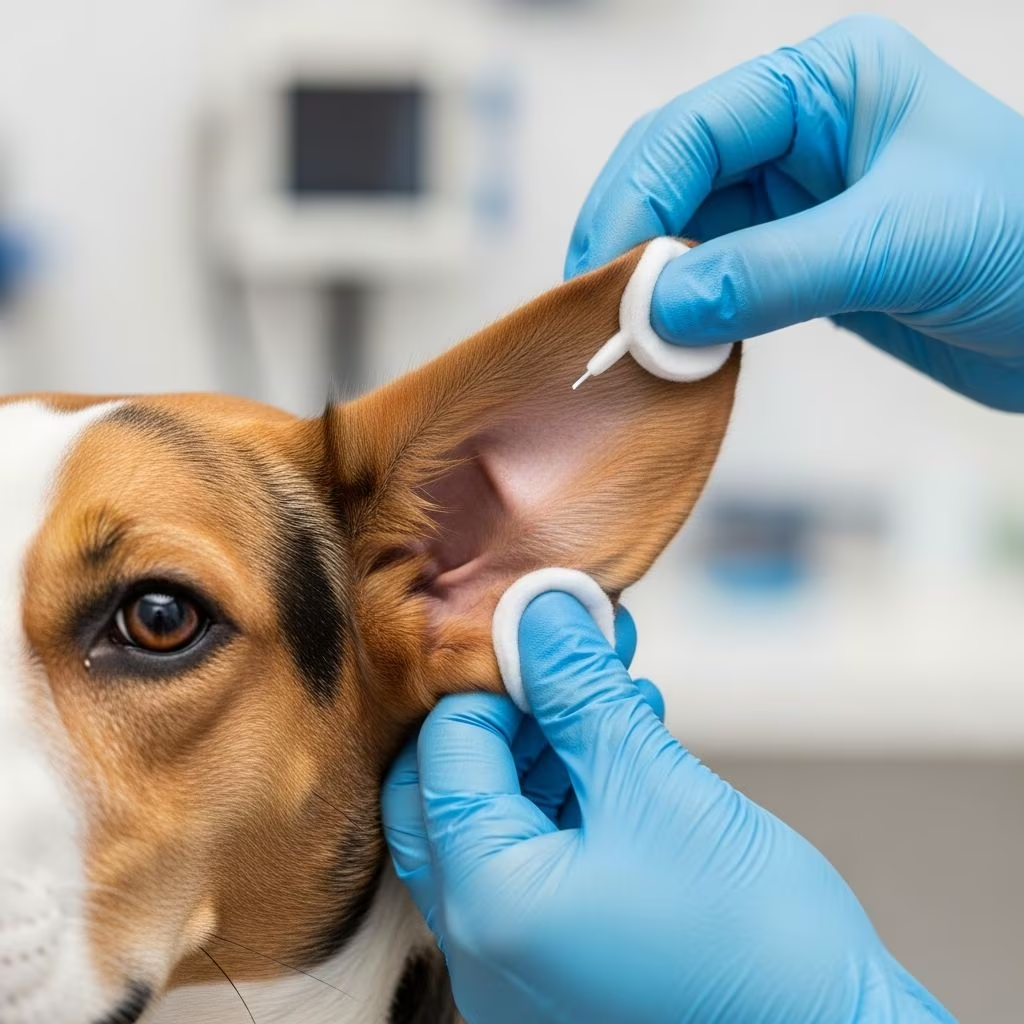
Proper ear maintenance is a vital aspect of canine health, helping to ward off infections and discomfort. Many dogs develop ear problems due to moisture buildup, allergies, or anatomical factors, but routine cleaning can make a significant difference. This guide provides detailed instructions on performing ear cleanings safely at home, using vet-recommended techniques and natural ingredients.
Understanding Canine Ear Structure
Dogs have L-shaped ear canals that trap wax, debris, and moisture more easily than human ears. Breeds with floppy ears, like Cocker Spaniels or Basset Hounds, face higher risks because air circulation is limited. The vertical and horizontal sections of the canal require specific cleaning approaches to avoid pushing material deeper. Knowing this anatomy helps prevent injuries like eardrum punctures during grooming sessions.
Signs Your Dog Needs Ear Cleaning
Monitor for indicators such as foul odors, excessive scratching, head shaking, redness, discharge, or hair loss around the ears. These symptoms often signal yeast, bacterial overgrowth, or mites. Early detection through weekly checks during baths or playtime can stop minor issues from escalating. For instance, dark, waxy buildup is common in water-loving breeds post-swim.
- Odor: Yeasty or rotten smells indicate infection.
- Discharge: Brown, black, or yellow wax beyond normal amounts.
- Behavior: Frequent pawing or tilting the head.
- Visible Changes: Swelling, crusting, or inflammation.
Essential Tools for Effective Cleaning
Gather supplies before starting to ensure a smooth process. Opt for vet-approved cleaners over household items initially to minimize irritation risks.
| Item | Purpose | Tips |
|---|---|---|
| Ear Cleaning Solution | Loosens debris | Commercial or homemade; pH-balanced for dogs |
| Cotton Balls or Gauze | Wipes visible buildup | Avoid Q-tips deep in canal |
| Dropper or Squeeze Bottle | Applies solution precisely | Plastic/glass for hygiene |
| Towels | Manages shakes and mess | Multiple layers for protection |
| Treats | Positive reinforcement | High-value for cooperation |
Step-by-Step Ear Cleaning Process
Choose a quiet time when your dog is relaxed, perhaps after a walk. Work in a bathroom to contain splatters.
- Prepare the Area: Lay towels and have treats ready. Gently restrain if needed, but never force.
- Inspect First: Use a flashlight to check for deep debris or injury. Stop if bleeding or severe pain occurs.
- Apply Solution: Fill the canal fully with cleaner using a dropper. For resistant dogs, soak cotton balls and press into the ear.
- Massage Base: Rub the ear base for 30 seconds until you hear squishing, loosening wax effectively.
- Allow Shake: Let your dog shake out excess; this brings debris to the surface.
- Wipe Gently: Use fresh gauze wrapped on your finger, reaching only as far as your pinky knuckle. Clean folds thoroughly.
- Dry Completely: Air dry or use powder; moisture breeds bacteria.
- Reward: Praise and treat to build positive associations.
Repeat weekly for floppy-eared or active dogs, monthly otherwise. Always consult a vet for ongoing issues.
DIY Ear Cleaning Recipes
Homemade options using pantry staples offer cost-effective alternatives when commercial products aren’t available. These draw from holistic vet recommendations, emphasizing mild acids for pH balance.
Basic Vinegar-Water Mix
Combine equal parts apple cider vinegar and water. The acetic acid combats yeast and bacteria without harshness. Soak a cotton ball, swab gently, and massage. Ideal for maintenance.
Green Tea Rinse
Brew strong green tea, cool, and use plain or with boric acid. Antioxidants soothe inflammation. Strain well to avoid loose leaves.
Enhanced Formula with Glycerin
Mix 4 tbsp vinegar, 4 tbsp aloe vera juice, 1/2 tsp boric acid, 5 drops rubbing alcohol, 2 drops glycerin. Shake before use; glycerin aids distribution and moisturizes.
Coconut Oil Soother
Warm a few drops of virgin coconut oil for antifungal relief. Apply sparingly to inflamed areas. Not for heavy wax buildup.
Caution: Test small amounts first. Discontinue if irritation worsens. Boric acid and alcohol are for healthy ears only.
Breed-Specific Cleaning Considerations
Different breeds require tailored approaches. Floppy-eared dogs need more frequent sessions due to poor ventilation. Short-eared breeds like Labs benefit from post-swim dries.
- Water Dogs (Labs, Goldens): Dry thoroughly after swims; use vinegar rinses weekly.
- Hounds: Long canals demand gentle massage; check for mites.
- Upright Ears (German Shepherds): Less prone but monitor allergies.
Preventing Ear Problems Long-Term
Prevention beats treatment. Keep ears dry post-bath with cotton balls during washing. Trim hair in canals for airflow. Address allergies via diet trials. Regular grooming reduces risks by 50% in prone breeds.
When to Seek Professional Help
Home care isn’t a cure-all. Visit a vet if symptoms persist beyond 48 hours, or if you see blood, pus, balance loss, or hearing changes. Chronic cases may need cultures or meds.
Frequently Asked Questions
Can I use hydrogen peroxide?
Diluted sparingly for one-time use, but avoid routinely—it disrupts healthy flora.
How often should I clean?
Weekly for at-risk dogs, monthly for others. Over-cleaning dries skin.
What if my dog hates it?
Desensitize with treats, start with outer ear. Sedate only under vet guidance.
Is apple cider vinegar safe?
Yes, diluted; its antifungal properties shine against yeast.
Does cleaning cure infections?
It aids but doesn’t replace antibiotics for bacterial cases.
Common Mistakes to Avoid
- Using Q-tips deeply—risks perforation.
- Ignoring drying—leads to moisture-related infections.
- Cleaning infected ears without vet approval—spreads bacteria.
- Skipping inspections—misses underlying issues.
Incorporate ear care into routines for happier, healthier dogs. Consistency yields the best results.
References
- How to Treat A Dog Ear Infection At Home — Honnas Veterinary. 2023. https://honnasvet.com/treat-dog-ear-infection-home/
- Homemade Ear Cleaner for Dogs — Whole Dog Journal. 2023. https://www.whole-dog-journal.com/care/homemade-ear-cleaner-for-dogs/
- Natural Remedy vs. Medicated Treatment for Dog Ear Infection — Vetericyn. 2023. https://vetericyn.com/blogs/blog/dog-ear-infection-medicine
- How to Clean Your Dog’s Ears: Step by Step Guide — Oak Tree Vet. 2023. https://www.oaktreevet.net/how-to-clean-your-dogs-ears-step-by-step-guide/
- A Guide to Cleaning Dog Ears — HICC Pet. 2023. https://hiccpet.com/blogs/dogs/a-guide-to-cleaning-dog-ears
- How to Clean Your Dog’s Ears — Cornell University College of Veterinary Medicine. 2025-03-01. https://www.vet.cornell.edu/departments-centers-and-institutes/riney-canine-health-center/canine-health-topics/how-clean-your-dogs-ears
- 5 Tips & Tricks for Cleaning Your Dog’s Ears at Home — Blue Springs Animal Hospital. 2023. https://www.bluespringsanimalhospital.com/services/dogs/blog/5-tips-tricks-cleaning-your-dogs-ears-home



