

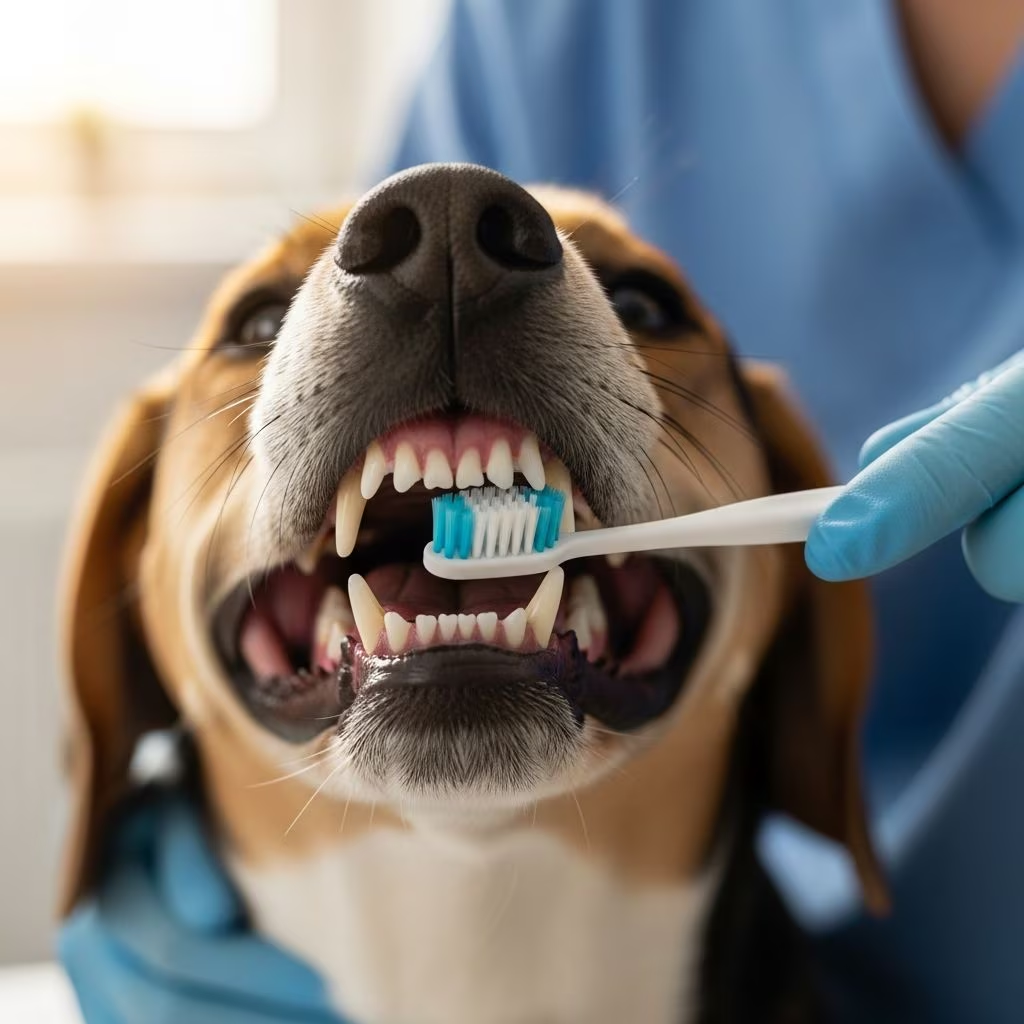
Dog dental care is essential for preventing painful conditions like periodontal disease, which affects most pets over age three. Anesthesia-free approaches offer accessible alternatives to traditional veterinary procedures, focusing on prevention through home routines and gentle professional cleanings.
Why Prioritize Your Dog’s Oral Hygiene
Poor dental health in dogs leads to plaque buildup, tartar formation, and gum inflammation, potentially causing tooth loss, infections, and systemic issues like heart or kidney problems. Regular maintenance reduces these risks without the need for sedation in many cases.
Owners can start with simple daily habits to keep teeth clean. Professional non-anesthetic services provide supplementary polishing for visible buildup, ideal for healthy dogs with mild concerns.
Essential Tools for Home Dental Maintenance
Gathering the right equipment makes at-home care straightforward and safe. Avoid human products, as they contain harmful ingredients like fluoride.
- Dog-specific toothbrushes: Finger brushes suit small breeds; dual-ended brushes work for larger dogs.
- Enzymatic toothpaste: Flavors like poultry or peanut butter encourage acceptance; enzymes break down plaque.
- Dental wipes and chews: Wipes target surface grime; chews mechanically scrape tartar.
- Water additives and rinses: These reduce bacteria when added to drinking water.
These items are available at pet stores or veterinary clinics, ensuring compatibility with canine physiology.
Step-by-Step Guide to Brushing Your Dog’s Teeth
Introduce brushing gradually to build positive associations. Consistency yields the best results.
- Prepare the environment: Choose a quiet area; sit your dog comfortably.
- Flavor familiarization: Let them taste toothpaste on your finger.
- Gentle start: Rub paste along gums and teeth with a finger for 10 seconds.
- Full brush: Use 45-degree angle at gumline; circular motions for 30-60 seconds per side.
- Positive reinforcement: End with treats and praise.
- Build duration: Aim for 2 minutes daily over weeks.
Focus on outer surfaces, molars, and canines where plaque accumulates most. Most dogs adapt within a week.
Supplementary Methods to Enhance Cleaning
Brushing alone may not suffice for all dogs. Combine with these options for comprehensive care.
| Method | Benefits | Frequency | Best For |
|---|---|---|---|
| Dental Chews | Reduces plaque via chewing action | Daily | Active, chew-loving dogs |
| Textured Toys | Scrapes tartar during play | Multiple times weekly | Boredom-prone pets |
| Oral Rinses | Kills bacteria, freshens breath | Daily in water | Hard-to-brush dogs |
| Dental Wipes | Quick surface clean | 2-3 times weekly | Owners short on time |
These tools complement brushing, promoting holistic hygiene without stress.
Professional Anesthesia-Free Cleaning Services
Various clinics and pet care centers offer non-sedated dental scaling. Technicians restrain the dog gently while using hand scalers to remove visible tartar. Sessions last 10-60 minutes, followed by immediate recovery.
A preliminary vet exam ensures suitability—no aggressive or fearful dogs qualify. These services suit maintenance for dogs with light buildup, not advanced disease.
Key Advantages of Skipping Anesthesia
Non-anesthetic methods appeal for several reasons.
- Cost savings: No bloodwork or monitoring fees; often 50% cheaper.
- Safety for sensitive pets: Ideal for seniors or those with heart/liver issues.
- Minimal downtime: Dogs resume activities right away.
- Lower stress: Awake procedures avoid disorientation.
Critical Limitations and Potential Drawbacks
While beneficial, anesthesia-free cleanings cannot match full veterinary procedures. Key issues include:
- Subgingival neglect: Below-gumline tartar remains, fostering bacteria.
- Missed diagnostics: No X-rays or pocket probing for hidden disease.
- Incomplete reach: Inner tooth surfaces often untouched.
- Not for severe cases: Heavy buildup requires sedation for safety.
Veterinary associations like AAHA discourage routine non-anesthetic scaling due to these gaps.
Comparing Anesthesia-Free vs. Full Sedated Cleanings
| Aspect | Anesthesia-Free | Sedated Cleaning |
|---|---|---|
| Cleaning Depth | Surface only | Full, including below gums |
| Duration | 10-60 min | 1-3 hours + recovery |
| Cost | Lower ($100-300) | Higher ($500-1500) |
| Risks | Minimal; restraint stress | Anesthesia complications |
| Ideal Use | Prevention/maintenance | Treatment of disease |
Choose based on your dog’s health and dental stage.
Recognizing When Professional Intervention Is Needed
Monitor for warning signs: bad breath, discolored teeth, loose teeth, drooling, or pawing at mouth. Schedule a vet dental exam annually. If Stage 1-2 disease (mild tartar), anesthesia-free may suffice; advanced stages demand full cleaning.
Building a Long-Term Dental Care Plan
Integrate prevention into routines:
- Daily brushing + weekly wipes.
- Monthly professional checks for eligible dogs.
- Diet with dental kibble.
- Bi-annual vet assessments.
Early intervention preserves teeth and quality of life.
Frequently Asked Questions
Is human toothpaste safe for dogs?
No, it contains toxic fluoride and xylitol. Use enzymatic pet formulas only.
How often should I clean my dog’s teeth?
Daily brushing is optimal; 3-4 times weekly minimum for benefits.
Can chews replace brushing?
No, they supplement but lack thoroughness.
Are anesthesia-free services vet-approved?
For mild cases yes, but not for comprehensive care. Consult your vet.
What if my dog resists brushing?
Go slow, use rewards, and try alternatives like rinses.
Expert Tips from Veterinary Guidelines
AAHA recommends full anesthesia for dental procedures to ensure completeness. Home care is universally endorsed for prevention. Pair with professional advice tailored to your dog’s breed and age.
References
- How to Brush and Clean a Dog’s Teeth Without Anesthesia — Cain Hoy Veterinary Hospital. 2023. https://www.cainhoyvet.com/how-to-dog-teeth-cleaning-without-anesthesia/
- Understanding Anesthesia-Free Dog Teeth Cleaning: Benefits and Risks — San Bruno Veterinary Hospital. 2024. https://sanbrunovet.com/dental-pet-care-in-san-bruno-ca/understanding-anesthesia-free-dog-teeth-cleaning-benefits-and-risks/
- Anesthesia-free Dental Cleaning — All The Best Pet Care. 2023. https://www.allthebestpetcare.com/dental-cleaning/
- The Truth About Anesthesia-Free Dental Cleanings — The Drake Center. 2022. https://www.thedrakecenter.com/services/pets/blog/truth-about-anesthesia-free-dental-cleanings
- What is an Anesthesia Free Pet Dental Cleaning? — American Veterinary Dental College. 2023. https://afd.avdc.org/what-is-an-anesthesia-free-dental-cleaning/
- Anesthesia-Free Dental Cleaning: Evidence Analysis for Vets — Veterinary Dentistry.net. 2024. https://veterinarydentistry.net/anesthesia-free-dental-cleaning/



