

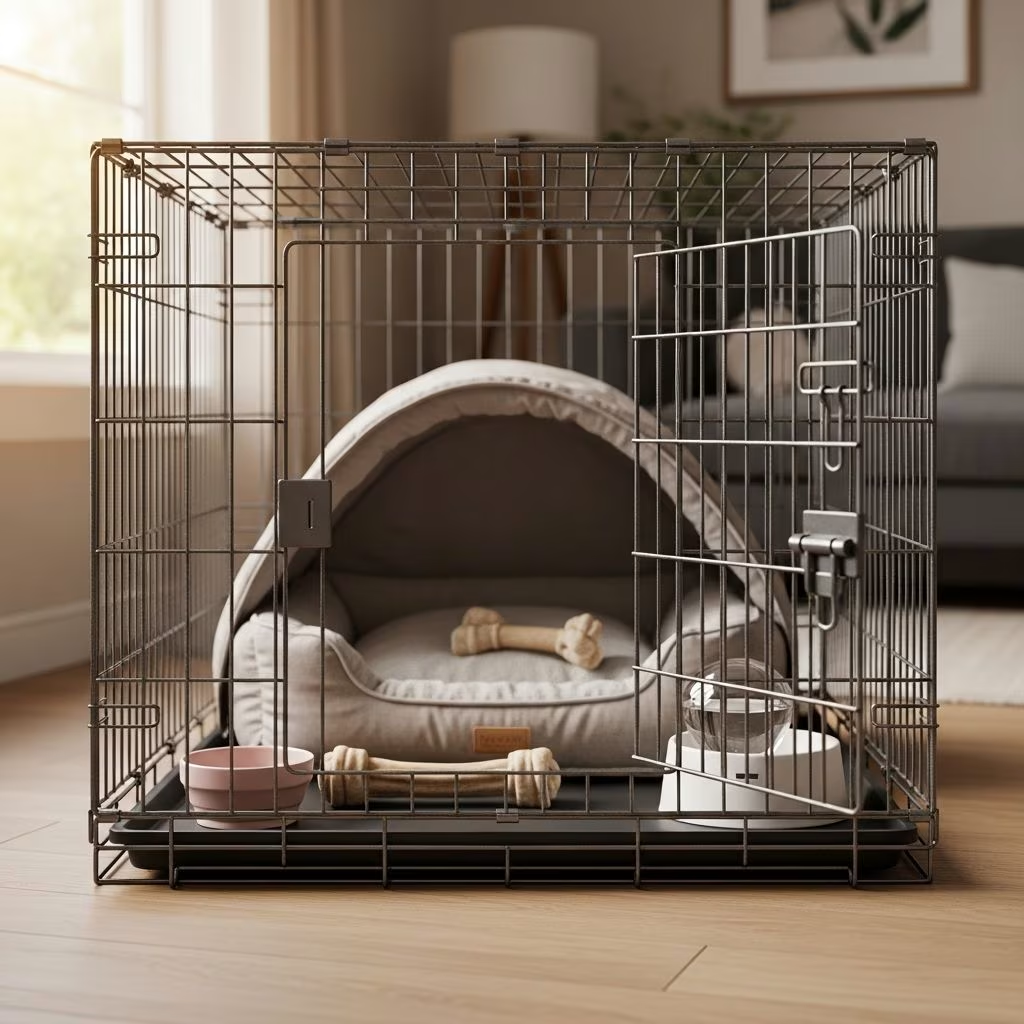
Selecting the right dog crate is crucial for your pet’s security, comfort, and behavior management. A well-chosen crate prevents escapes, reduces injury risks during travel, and provides a safe den-like space. This guide explores key safety elements, types of crates, proper sizing, setup tips, and travel considerations based on veterinary and safety recommendations.
Why Safety Matters in Dog Crates
Dog crates serve multiple purposes, from house training puppies to containing pets during car trips. However, not all crates offer equal protection. Unsafe crates can collapse, allow escapes, or fail in accidents, endangering your dog and others. Veterinary experts emphasize using crates for dogs with unknown behaviors or during adoption transitions to prevent destructive actions or injuries.
Key safety priorities include durability to withstand chewing or impacts, ventilation for airflow, and secure latches to block escapes. For travel, crash-tested models are vital, as standard wire or soft crates may bend or tear in collisions.
Essential Features of a Secure Dog Crate
A safe crate balances strength, comfort, and functionality. Look for these must-have attributes:
- Durable Materials: Opt for heavy-duty plastic, metal, or reinforced composites that resist bending, shattering, or chewing. Rigid plastic with metal grates meets airline standards for leak-proofing and escape resistance.
- Ample Ventilation: Multiple sides with grated panels ensure airflow without large gaps that permit escapes or limb injuries.
- Secure Locking Mechanisms: Multiple heavy-duty latches and doors that lock firmly, tested for accidental openings during movement.
- Crash-Test Certification: Seek crates independently tested for vehicle crashes, like those from the Center for Pet Safety, which simulate impacts, turns, and braking.
Soft-sided or fabric crates suit short, low-risk uses for small dogs but lack protection in accidents. Wire crates fold easily but may warp under force unless heavy-gauge.
Choosing the Correct Crate Size
Improper sizing leads to stress, injury, or ineffective containment. The crate should allow your dog to stand upright without crouching, turn around fully, and lie down stretched out—nothing more.
| Dog Weight (lbs) | Recommended Crate Length (inches) | Example Breeds |
|---|---|---|
| 0-15 | 18-22 | Chihuahua, Yorkie |
| 16-25 | 24 | Beagle, Cocker Spaniel |
| 26-40 | 30 | Border Collie, Bulldog |
| 41-70 | 36 | Labrador, German Shepherd |
| 71+ | 42-48 | Great Dane, Mastiff |
Measure your dog from nose to tail base (standing) and add 2-4 inches. Use dividers in wire crates for growing puppies. Consult manufacturer charts if between sizes.
Setting Up Your Dog’s Crate for Maximum Safety
Placement and contents affect safety as much as the crate itself. Follow these steps:
- Location: Indoors, avoid direct sun, vents, fireplaces, drafts, outlets, cords, or toxic plants like sago palms.
- Bedding: Use thin, non-slip mats, orthopedic foam beds, or elevated cots like K9 Ballistics for drainage and comfort. Skip thick pillows or loose towels that bunch up.
- No Collar: Remove collars to prevent snags on bars, which cause strangulation. Use breakaway collars if essential, with flat tags.
- Toys and Water: Limit to non-chewable, secured items. No food/water bowls during travel to avoid spills; use for short home stints only.
For acclimation, introduce gradually. Cover wire crates partially for a den feel, leaving sides open for visibility.
Safe Crating During Car Travel
Vehicle crating demands extra rigor. Unsecured crates slide in stops or turns, risking harm. Best practices include:
- Positioning: Rear cargo area or behind seats, facing sideways or backward. Avoid front seats (airbag risk) or truck beds.
- Securing: Ratchet straps to cargo hooks or LATCH anchors. Test for minimal movement by pushing firmly.
- Climate Control: AC/heat direct but not excessive; monitor temperature.
Crash-tested crates endure evasive maneuvers and impacts, outperforming wire or soft options.
Crate Types Compared
| Type | Pros | Cons | Best For |
|---|---|---|---|
| Wire | Foldable, ventilated, affordable, dividers available | May bend in crashes, chewable for puppies | Home training, short trips |
| Plastic/Rigid | Durable, den-like, airline-approved | Bulky to store | Travel, chewers |
| Fabric/Soft | Lightweight, portable | Not crash-safe, easy to destroy | Small dogs, indoors only |
| Heavy-Duty Crash-Tested | Impact-resistant, secure | Expensive, heavy | Car travel, large dogs |
Select based on use: home (wire/plastic), travel (rigid crash-tested).
Common Mistakes and How to Avoid Them
Even experienced owners err. Steer clear of:
- Overly large crates allowing tumbling.
- Unsecured travel setups.
- Household hazards near crates.
- Excess bedding causing overheating or blockages.
- Forcing anxious dogs without training.
Never crate for extended periods without breaks for exercise or relief.
Frequently Asked Questions (FAQs)
Can all dogs be crated safely?
No. Highly anxious dogs showing distress signs like excessive panting or elimination need alternatives like exercise pens or professional training.
Are soft crates safe for cars?
Generally no, due to low impact protection. Reserve for calm, small dogs on short drives.
How often should I clean the crate?
Weekly or after accidents. Use pet-safe sanitizers for hygiene.
What if my dog chews the crate?
Upgrade to chew-proof heavy-duty models and supervise introduction.
Is crate training cruel?
Not when done properly—it’s natural for dogs as den animals, promoting security if sized right and used humanely.
Training Your Dog to Love the Crate
Positive association prevents fear. Start with treats inside, short sessions building to hours. Pair with meals or toys. For travel, practice loading/securing at home.
Crate time should never exceed 8 hours for adults or 4-6 for puppies without breaks. Combine with daily exercise for well-rounded care.
References
- How to Safely Crate Your Dog During Car Rides and Travel — Rock Creek Crates. 2023. https://rockcreekcrates.com/blogs/news/how-to-safely-crate-your-dog-during-car-rides-and-travel
- Setting Up Your Dog’s Crate for Comfort & Safety — Preventive Vet. 2024. https://www.preventivevet.com/dogs/what-to-put-in-your-dogs-crate
- Ensuring Dog Crate Safety through Rigorous Testing — Thule Test Center. 2023. https://www.thule.com/en-us/about-thule/thule-test-center/dog-safety
- Dog Crates: When to Use Them and How to Pick One — Cornell University College of Veterinary Medicine. 2025-03-15. https://www.vet.cornell.edu/departments-centers-and-institutes/riney-canine-health-center/canine-health-topics/dog-crates-when-use-them-and-how-pick-one
- 7 Dog Kennel Safety Tips Every Owner Should Know — Happy Pet HQ. 2024. https://happypethq.com/blogs/articles-and-resources/7-dog-kennel-safety-tips-every-owner-should-know
- CPS Certified Products — Center for Pet Safety. 2025. https://www.centerforpetsafety.org/cps-certified/
- Kennel Guidelines — American Airlines Cargo. 2024. https://www.aacargo.com/learn/animals-kennel-guidelines.html



