

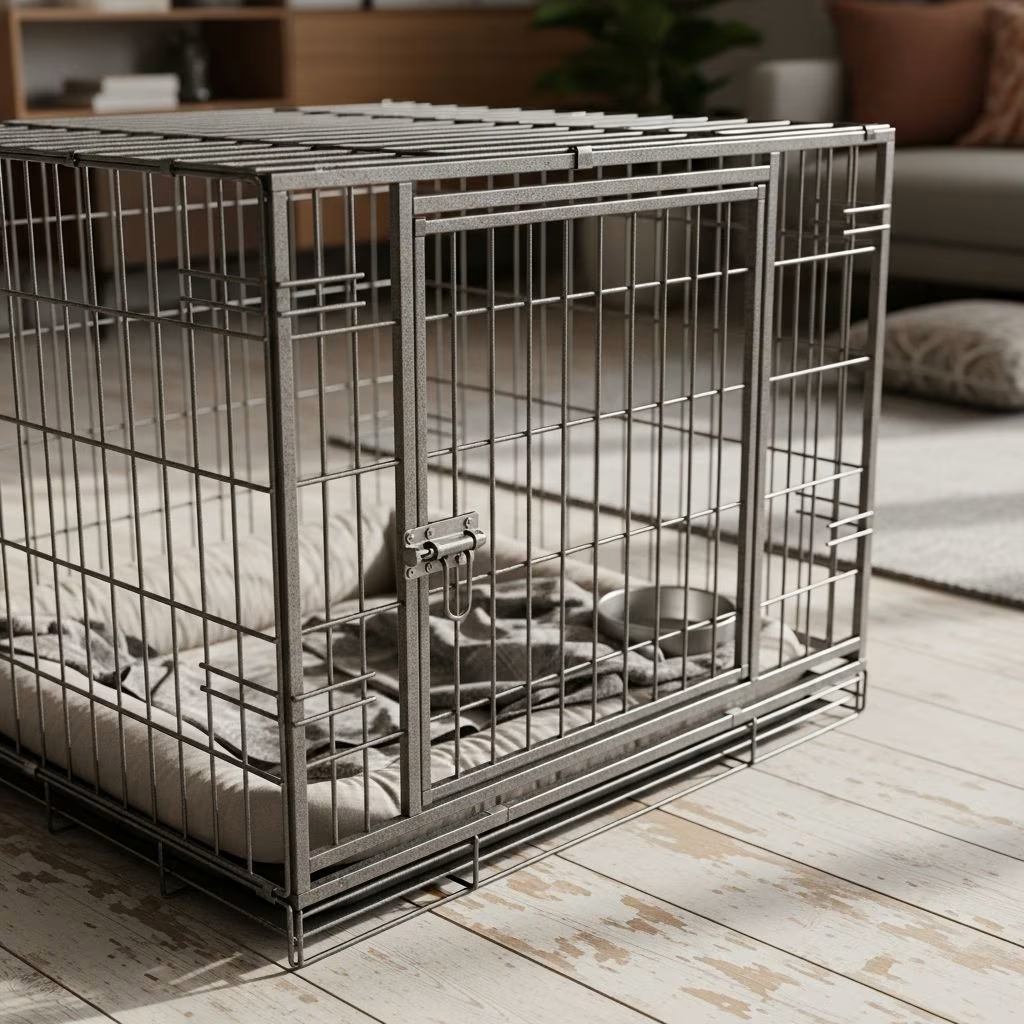
Choosing the right dog crate is vital for your pet’s well-being, offering a secure space for rest, house training, and travel. A properly selected and used crate prevents injuries, reduces anxiety, and promotes positive behaviors. This guide covers key factors to consider, from design features to daily usage tips, ensuring your dog’s safety.
Understanding the Role of Crates in Dog Care
Dog crates mimic a natural den, providing a safe retreat where pets feel protected. They aid in housebreaking by leveraging dogs’ instinct to avoid soiling their sleeping area, support separation training, and keep puppies out of trouble when unsupervised. However, crates must balance confinement with comfort to avoid stress or harm.
Experts emphasize gradual introduction to prevent fear. For instance, veterinary guidelines recommend crates for puppies and new dogs to manage unknown behaviors, but not for those showing extreme distress like excessive vocalizing or pacing.
Key Features of Secure Dog Crates
Not all crates are equal; safety hinges on construction quality and design. Look for models with rounded edges, secure latches, and bars spaced to prevent paw or jaw entrapment.
- Sturdy Build: Heavy-gauge wire or reinforced plastic resists chewing and bending.
- Door Design: Sliding or swing doors with multiple locks; avoid gaps where toes can catch.
- Ventilation: Ample openings for airflow without small enough spaces for body parts to squeeze through.
- Crash-Tested for Travel: For car use, seek certifications from organizations like the Center for Pet Safety, which tests for crash performance.
Plastic crates offer enclosure for anxious dogs, while wire versions provide visibility and airiness but may need covers for security.
How to Size a Crate Perfectly for Your Dog
Improper sizing leads to discomfort or accidents. The crate should allow your dog to stand, turn around, and lie down comfortably without excess space that encourages elimination inside.
To measure: Add 4 inches to your dog’s standing height (floor to head top) and length (nose to tail base). Use dividers in larger crates for growing puppies.
| Dog Weight (lbs) | Length (inches) | Height (inches) | Recommended Crate Size |
|---|---|---|---|
| 0-15 | 18-22 | 14-17 | Small |
| 16-25 | 24 | 18 | Medium |
| 26-40 | 30 | 21 | Intermediate |
| 41-70 | 36 | 24 | Large |
| 71+ | 42-48 | 30+ | Extra Large |
This chart provides general guidance; always prioritize breed-specific needs, like longer crates for Dachshunds.
Common Hazards and How to Avoid Them
Even quality crates pose risks if misused. Paw entrapment in door ledges or bar gaps is frequent, potentially causing fractures during panic. Nose abrasions from pushing through vents affect smaller breeds.
- Remove collars and tags to prevent snags; opt for breakaway styles if necessary.
- Avoid chewable toys like rawhide or fragile balls that splinter.
- Use durable crate pads, not loose blankets that shred into choking risks.
Conduct regular audits: Inspect for sharp burrs, loose welds, or debris buildup using a flashlight.
Effective Crate Training Strategies
Training builds positive associations. Start with short, rewarding sessions.
- Lure with treats to enter voluntarily.
- Close the door briefly while staying nearby.
- Gradually increase time and distance, rewarding calm behavior.
- Never use for punishment, as it fosters fear.
For anxious dogs, consult vets or trainers; alternatives like exercise pens may suit severe cases.
Optimal Crate Placement in Your Home
Location impacts safety and comfort. Indoors, choose quiet, temperature-stable spots away from drafts, vents, or sunlight.
- Avoid high-traffic areas or near kids’ play zones; treat as a ‘no-disturb’ bedroom.
- Keep clear of cords, plants, or falling objects.
- Cover wire crates partially with breathable fabric for den-like security.
For travel, secure in vehicles per safety standards; ventilated carriers are required for air transport.
Time Limits and Monitoring Guidelines
Puppies tolerate 2-3 hours max (adjusted for age), adults up to 5 hours except overnight. Align with bladder capacity to prevent distress.
Signs of overload: Whining, scratching, or soiling. Provide breaks for exercise and relief.
Types of Crates Compared
| Type | Pros | Cons | Best For |
|---|---|---|---|
| Wire | Breathable, foldable, divider-compatible | May need cover, entrapment risks | Home use, training |
| Plastic | Enclosed, secure feel | Bulkier storage | Travel, anxious dogs |
| Fabric | Lightweight, portable | Not durable for chewers | Short trips, small dogs |
Select based on lifestyle; crash-tested models for cars.
FAQs on Dog Crate Safety
Can I leave my dog crated overnight?
Yes, for adults, but ensure prior exercise and access to water. Puppies need frequent potty breaks.
Is covering the crate beneficial?
Often yes; it creates a cozy den, reducing exposure feelings, but leave door and vents open.
What if my dog hates the crate?
Revisit training slowly; seek professional help if stress persists.
Are collars safe in crates?
Prefer collar-free; risks strangulation on bars.
How often should I clean the crate?
Weekly, or after accidents, to prevent bacteria and discomfort.
Advanced Safety Checks for Long-Term Use
Beyond basics, test latches under pressure, verify stability on floors, and monitor for wear. For vehicle use, anchor firmly and choose CPS-certified options.
Integrate crate use with overall routine: Combine with walks, play, and socialization for balanced care.
References
- Top 7 Crate Safety Tips for Pet Owners — Renegade Paws Rescue. 2023. https://www.renegadepawsrescue.org/post/top-7-crate-safety-tips-for-pet-owners
- Dog Crates/Kennels: The Good, the Bad, and the Ugly — Holiday Barn. 2022. https://holidaybarn.com/blog/dog-crates-kennels-the-good-the-bad-and-the-ugly/
- Ten Tips to Use Your Dog Crate Safely — Diggs Pet. 2023. https://www.diggs.pet/blogs/posts/ten-tips-to-use-your-dog-crate-safely
- Setting Up Your Dog’s Crate for Comfort & Safety — Preventive Vet. 2024-01-15. https://www.preventivevet.com/dogs/what-to-put-in-your-dogs-crate
- Ensuring Dog Crate Safety through Rigorous Testing — Thule. 2023. https://www.thule.com/en-us/about-thule/thule-test-center/dog-safety
- Dog Crates: When to Use Them and How to Pick One — Cornell University College of Veterinary Medicine. 2024. https://www.vet.cornell.edu/departments-centers-and-institutes/riney-canine-health-center/canine-health-topics/dog-crates-when-use-them-and-how-pick-one
- CPS Certified Products — Center for Pet Safety. 2025-03-01. https://www.centerforpetsafety.org/cps-certified/



