

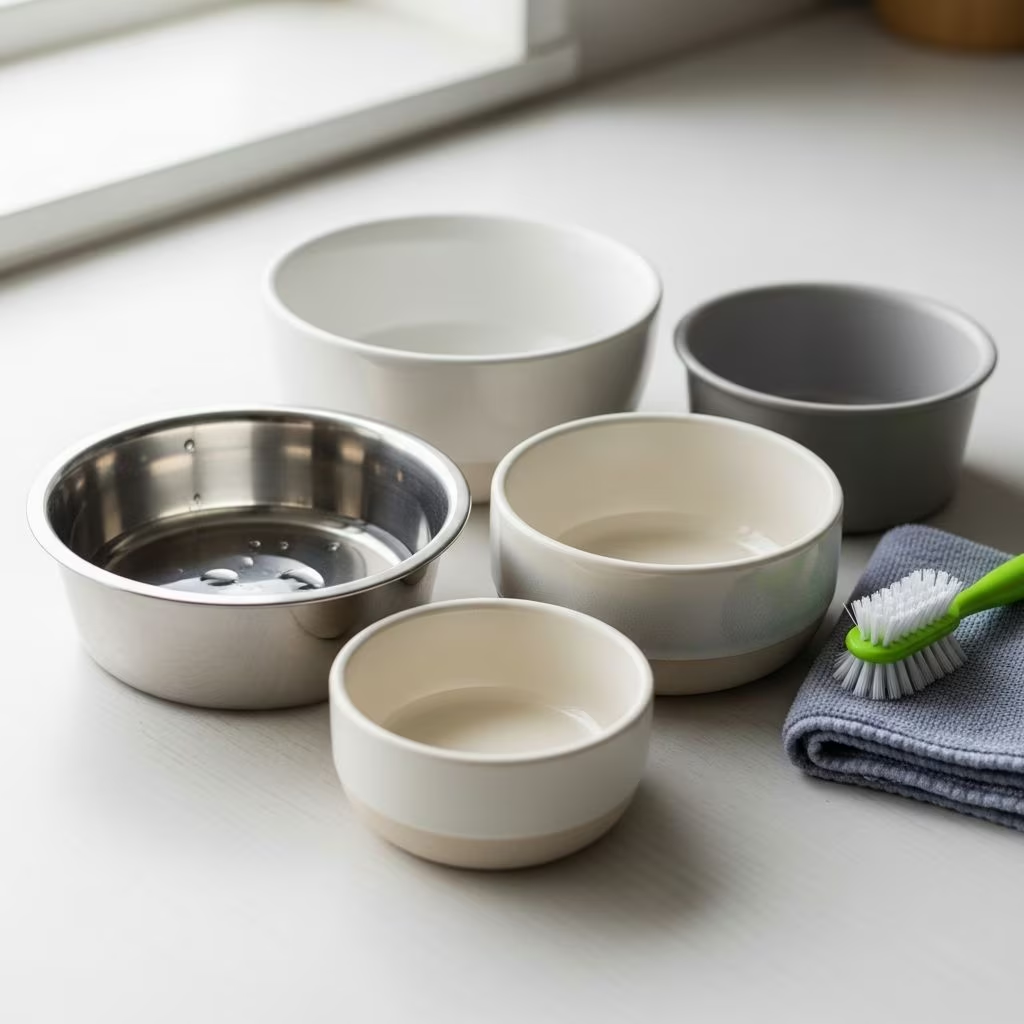
Choosing the right dog bowl and maintaining it properly safeguards your pet from chemical leaching, bacterial growth, and physical injuries. This guide details material options, hygiene protocols, and practical tips grounded in veterinary and safety standards.
Why Dog Bowl Choice Impacts Pet Health
Dog bowls serve as daily contact points for food and water, potentially introducing toxins or pathogens if poorly made or unclean. Materials like plastic can harbor bacteria or release endocrine disruptors, while improper cleaning fosters biofilms teeming with E. coli and salmonella. Studies confirm higher microbial loads in wet food bowls and metal over plastic in some cases, underscoring the need for durable, non-porous choices.
Pet owners often overlook bowls, yet they rank among the home’s germiest spots, surpassing toothbrush holders in contamination levels. Allergic reactions, such as chin acne from plastic, and risks from breakable edges highlight material selection’s role in preventing infections or digestive harm.
Top Recommended Materials for Dog Bowls
Select bowls certified for food safety to minimize chemical migration. Prioritize non-reactive surfaces that resist scratches and odors.
- Stainless Steel: Indestructible, dishwasher-safe, and non-porous, it repels bacteria better than plastic and suits allergy-prone dogs.
- Ceramic: Stable and stylish, often safe for metal-sensitive pets if lead-free and FDA-compliant. Verify glazing to avoid heavy metals.
- Silicone or Glass: Flexible or shatter-resistant alternatives, FDA-approved options prevent microplastic shedding.
Avoid plastics unless explicitly BPA-free and food-grade, as they scratch easily, promoting bacterial hideouts and potential allergen triggers.
| Material | Pros | Cons | Best For |
|---|---|---|---|
| Stainless Steel | Durable, easy clean, bacteria-resistant | Can slide if lightweight | Daily use, active dogs |
| Ceramic | Heavy base, aesthetic appeal | Breakable if dropped | Indoor, calm eaters |
| Plastic | Lightweight, inexpensive | Scratches, allergies, toxins | Temporary only |
| Silicone | Flexible, non-toxic | Less common | Travel, puppies |
Dangerous Substances Lurking in Substandard Bowls
Low-quality imports may contain BPA, phthalates, lead, or cadmium, leaching into meals especially under heat or acidity. BPA disrupts hormones in mammals, per research in Chemosphere and Environmental Health Perspectives. Heavy metals accumulate, risking neurological damage over time.
FDA certification ensures compliance with food-contact standards, barring these hazards. Non-certified bowls elevate microplastic and toxin exposure, compounding with poor hygiene.
Essential Cleaning Routines for Bacterial Control
Daily washing prevents residue buildup attracting pests and pathogens. The National Sanitation Foundation identifies bowls as top germ sources.
- Daily Protocol: Hot soapy water post-meal; dishwasher for stainless steel.
- Weekly Disinfect: Vinegar or bleach solution (1:10 dilution) for deep clean.
- Hand Hygiene: Wash hands 20 seconds before/after handling.
- Tools: Dedicated scoops; never use dirty bowls to measure.
Wet food bowls show elevated total mesophilic aerobic bacteria (TMABc) versus dry, with metal sometimes dirtier than plastic. Dishwashers outperform hand-washing in bacterial reduction. Surveys reveal only 50% of owners soap-wash daily, heightening risks.
Addressing Common Bowl-Related Health Issues
- Allergies: Plastic triggers acne or chin infections; switch to steel or ceramic.
- Injuries: Sharp breaks from chewers lacerate mouths or guts.
- Infections: Biofilms breed salmonella; odors signal neglect.
- Sharing Risks: Separate bowls per pet to avoid diet mix-ups or disease spread, though direct contact poses greater threat in healthy multi-pet homes.
Shopping Checklist for Safe Dog Bowls
Empower purchases with these criteria:
- FDA food-safe label or equivalent.
- Scratch-resistant, non-porous build.
- Size matching breed/activity (elevated for large dogs).
- Brand disclosing test results.
- Reviews confirming durability sans toxins.
Advanced Tips for Long-Term Bowl Safety
Inspect regularly for dents/cracks; replace every 1-2 years. For multi-dog homes, label bowls to track intake. Elevated designs aid seniors/breeds with neck issues, reducing spill-related bacteria. Integrate mats to contain messes, washing them bi-weekly.
Monitor for signs like foul odors, discoloration, or pet digestive upset, prompting immediate replacement.
Frequently Asked Questions (FAQs)
How often should I wash my dog’s bowl?
Daily with hot soapy water or dishwasher; disinfect weekly.
Are plastic bowls safe for dogs?
Only if BPA/phthalate-free and food-grade; prefer alternatives to avoid allergies/scratches.
Can dogs share water bowls?
Yes, if healthy and sufficient quantity; separate food bowls ideal.
What if my dog chews the bowl?
Switch to chew-proof stainless steel; monitor for ingestion risks.
Is ceramic better than stainless steel?
Ceramic suits stationary feeding; steel excels in durability/cleaning.
Pet Owner Habits Survey Insights
Recent polls show variance: 50% daily soap-wash, 12% once-daily minimum, 13% less frequent—gaps fostering germs. Commit to routines for 100% compliance.
References
- The Importance of FDA-Certified Dog Bowls for Your Pet’s Safety — The Puzzle Feeder. 2023. https://thepuzzlefeeder.com/blogs/news/the-importance-of-fda-certified-dog-bowls-for-your-pet-s-safety
- Pet feeding habits and the microbiological contamination of dog bowls — PMC/NCBI. 2023-11-29. https://pmc.ncbi.nlm.nih.gov/articles/PMC10701922/
- Could your pet’s food bowl be harmful? — MetLife Pet Insurance. 2023. https://www.metlifepetinsurance.com/blog/pet-care/could-your-pet-s-food-bowl-be-harmful/
- How Often Should You Wash Dog Bowls for Food and Water? — American Kennel Club (AKC). 2023. https://www.akc.org/expert-advice/health/wash-dog-bowl/
- Safe handling of pet food and pet treats — American Veterinary Medical Association (AVMA). 2023. https://www.avma.org/resources-tools/pet-owners/petcare/safe-handling-pet-food-and-pet-treats
- The Dirty Truth About Pet Bowls — Nutrience. 2025-01-16. https://nutrience.com/community/blog/the-dirty-truth-about-pet-bowls-are-you-keeping-your-pet-safe/
- How Often Do You Wash Your Pet’s Food Bowl? — AARP. 2023. https://www.aarp.org/family-relationships/recommendations-for-washing-dog-dish/



