

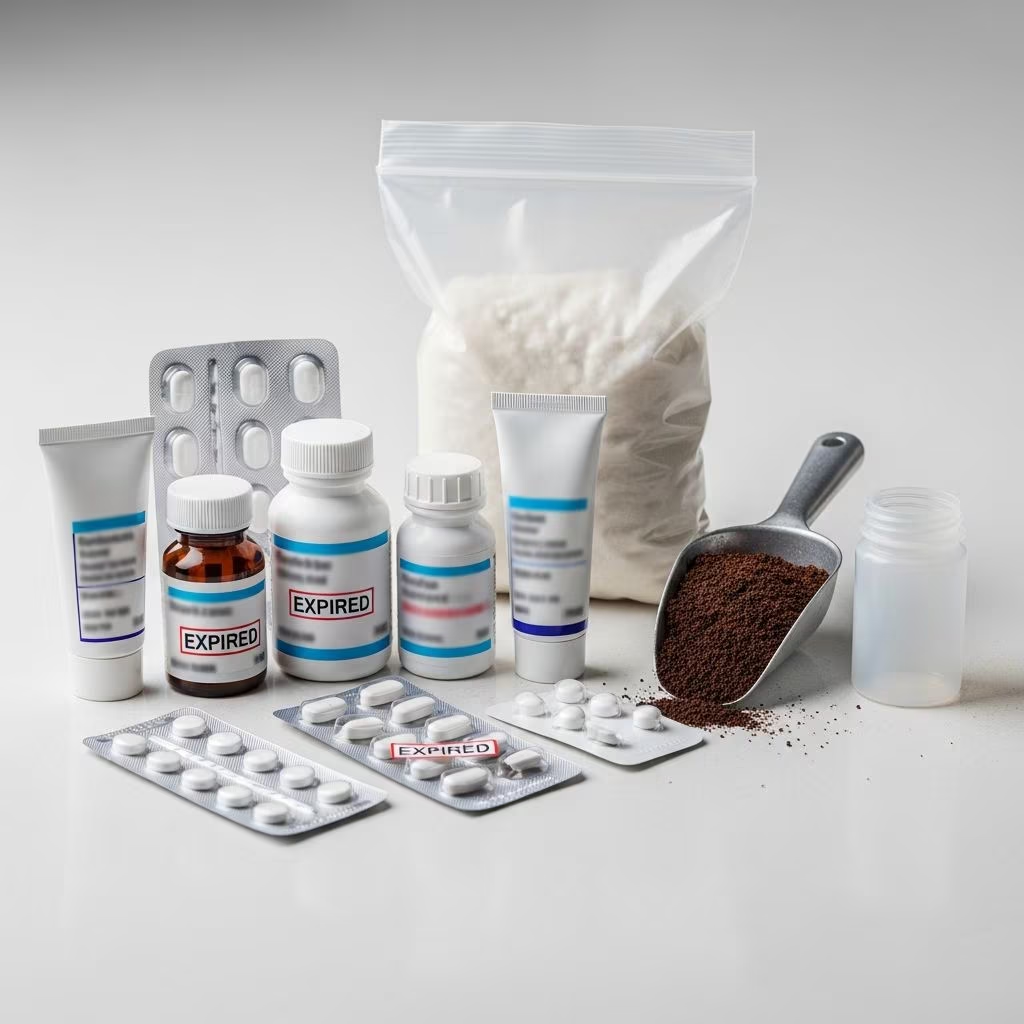
Pet owners frequently face the challenge of what to do with leftover medications after treatment ends or prescriptions expire. Proper disposal prevents accidental ingestion by children, pets, or wildlife, reduces environmental contamination, and curbs misuse of potent drugs. This guide outlines authoritative methods based on federal guidelines, helping you choose the right approach for various medication types.
Why Proper Disposal Matters for Pet Medications
Unused veterinary drugs pose significant risks if mishandled. Prescription antibiotics, pain relievers, flea treatments, and controlled substances like fentanyl can harm humans and animals if accessed from trash. Flushing most drugs pollutes waterways, affecting aquatic life and drinking sources. The U.S. Food and Drug Administration (FDA) emphasizes that responsible disposal safeguards public health and ecosystems. Veterinary associations echo this, noting that pet meds require the same precautions as human pharmaceuticals.
Common scenarios include finishing a course of heartworm preventives, antibiotics for infections, or steroids for inflammation, leaving partial bottles. Expired meds lose efficacy and may degrade into harmful compounds. Always check expiration dates and consult vets before discarding.
Preferred Method: Authorized Take-Back Programs
The top recommendation from the FDA, DEA, and veterinary experts is using registered collection sites. These facilities incinerate drugs safely, preventing diversion and pollution.
- Pharmacy drop-offs: Major chains like CVS, Walgreens, and independents often have secure kiosks for pills, patches, and liquids. No appointment needed in most cases.
- Police stations: Many departments host permanent receptacles or events, especially for controlled substances.
- Veterinary clinics: Some vets participate if authorized; call ahead.
- DEA locator tool: Search online for nearby authorized collectors via the DEA website.
- Mail-back envelopes: Prepaid kits from pharmacies or programs allow secure shipping.
Household hazardous waste events sponsored by local governments also accept meds. Prioritize these over home methods for completeness.
The FDA Flush List: When Flushing Is Allowed
For high-risk drugs without take-back access, the FDA permits flushing specific medications to avoid immediate dangers like overdose. Only those on the official Flush List qualify, as environmental impact assessments show negligible risks.
| Medication | Common Pet Uses | Why Flush? |
|---|---|---|
| Buprenorphine | Pain management | High abuse potential |
| Fentanyl patches | Severe pain relief | Extremely potent opioid |
| Diazepam | Anxiety, seizures | Sedative risks |
| Hydrocodone | Pain control | Opioid hazard |
Verify the full list on the FDA site. Remove patches from skin first, fold sticky sides together, and flush immediately. Never flush non-listed drugs.
Household Trash Disposal: Step-by-Step Guide
When take-backs aren’t available and flushing isn’t advised, trash disposal works for most pet meds like antibiotics, flea topicals, and shampoos. Follow FDA steps to render them unappealing and secure.
- Remove from original packaging: Empty pills, liquids, or creams into a disposable container. Crush tablets if possible.
- Mix with deterrents: Combine with used coffee grounds, cat litter, dirt, or cooking grease to discourage retrieval.
- Seal in opaque container: Use a zipper bag, empty yogurt tub, or coffee can. Double-bag for liquids.
- Obscure labels: Black out personal info (pet name, owner, vet) on bottles before trashing separately.
- Dispose promptly: Place in trash near pickup time to minimize access.
Avoid burning, as it releases toxins. For injectables or chemotherapeutics, seek professional sites only.
Special Considerations for Common Pet Medications
Prescription Drugs
Antibiotics (e.g., amoxicillin), anti-inflammatories (e.g., carprofen), and heart meds follow standard trash or take-back protocols. Never reuse or share.
Parasite Preventives
Flea/tick drops, dewormers, and heartworm tablets: Mix residues with litter before trashing, as they contain insecticides.
Liquids and Topicals
Ear drops, medicated shampoos, or sprays: Absorb with dirt or paper towels, then trash. Some labels permit drain disposal; confirm first.
Controlled and Compounded Meds
Opioids, steroids, or custom formulations demand take-back priority due to potency. Vets can advise.
Environmental and Community Impacts
Improper disposal contributes to pharmaceutical pollution in rivers and soil, fostering antibiotic resistance and harming fish. Take-backs mitigate this via high-temperature destruction. Community programs reduce overdose risks from dumpster diving. The American Veterinary Medical Association (AVMA) urges participation in these efforts.
Finding Local Resources
Use tools like the DEA’s locator, Earth911.com, or call your county waste department. Apps from pharmacies track events. For rural areas, mail-back is ideal.
Frequently Asked Questions (FAQs)
Can I donate unused pet meds?
No, federal laws prohibit transferring prescriptions. Expired drugs are ineffective or unsafe.
What about over-the-counter pet products?
Treat like prescriptions: take-back or trash method. Examples include flea collars or supplements.
Is it okay to flush liquid antibiotics?
Only if labeled safe; most should not enter drains to avoid water contamination.
How do I handle chemotherapy drugs for pets?
Take to authorized sites only; wear gloves and avoid trash.
Do vets dispose of meds for free?
Many do if authorized; otherwise, direct to programs.
Preventing Waste in the Future
Request exact doses from vets, store properly, and track usage. Split prescriptions if possible. This minimizes leftovers while ensuring treatment success.
By adopting these practices, pet owners contribute to safer homes and cleaner environments. Always prioritize take-backs, consult professionals for specifics, and stay informed via FDA updates.
References
- Disposing of Unused Medications for Pets — University of Illinois Veterinary Medicine. 2023. https://vetmed.illinois.edu/hospital/veterinary-teaching-hospital/veterinary-specialties/medication-dispensing/disposing-of-unused-medications-for-pets/
- Proper Disposal of Unused Veterinary Medications: A Guide — Bhatt Vet Specialty. 2023. https://www.bhattvetspecialty.com/blog-veterinarian-care/proper-disposal-of-unused-veterinary-medications-a-guide
- Pet Medication Disposal — Oregon Veterinary Medical Association. 2023. https://www.oregonvma.org/care-health/medication-prescriptions/pet-medication-disposal
- Where and How to Dispose of Unused Medicines — U.S. Food and Drug Administration (FDA). 2023-10-17. https://www.fda.gov/consumers/consumer-updates/where-and-how-dispose-unused-medicines
- Safe Handling of Medications at Home — VCA Animal Hospitals. 2023. https://vcahospitals.com/know-your-pet/safe-handling-of-medications-at-home
- Disposal of Unwanted Medications — American Veterinary Medical Association (AVMA). 2023. https://www.avma.org/disposal-unwanted-medications



