Safe Crating Limits for Dogs: 4 Age-Based Guidelines
Discover expert guidelines on maximum crate time for puppies, adults, and seniors to ensure welfare and prevent stress.
Safe Crating Limits for Dogs
Determining how long dogs can remain in a crate requires considering their age, health, and individual temperament to prioritize comfort and prevent distress. Proper crating supports house training and safety but must balance confinement with freedom to avoid physical or behavioral issues.
Understanding Crate Duration by Dog Age
Crates mimic a dog’s natural den instinct, providing security when sized and used correctly. However, excessive time inside can lead to anxiety or health problems like muscle stiffness or urinary issues.
- Puppies (8-12 weeks): Limit to 2-3 hours max during the day due to small bladders; overnight up to 4-6 hours with potty breaks.
- Young dogs (3-6 months): Extend to 3-4 hours daytime; build tolerance gradually.
- Adults: 4-6 hours comfortably, up to 8 hours occasionally if exercised well before and after.
- Seniors: Shorter sessions (2-4 hours) to accommodate mobility and incontinence needs.
These guidelines stem from veterinary consensus emphasizing bladder control development and stress monitoring. Always observe for signs of discomfort like whining or pacing.
Selecting the Perfect Crate Size and Type
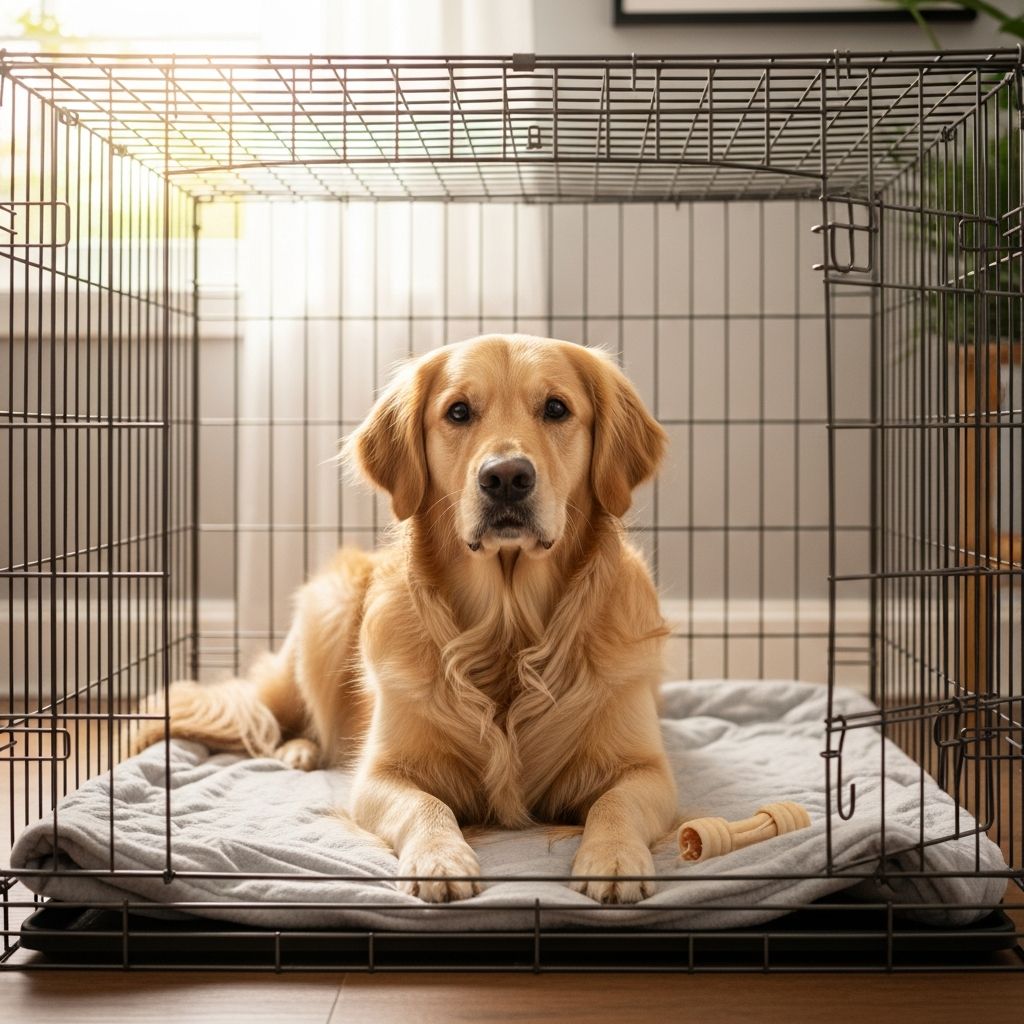
A well-fitted crate allows standing, turning, and lying down comfortably without excess space that encourages soiling. Measure from nose tip to tail base and add 4 inches for length; height from floor to head top plus 4 inches.
| Dog Size | Length (inches) | Height (inches) | Example Breeds |
|---|---|---|---|
| Small | 24 | 18 | Chihuahua, Yorkie |
| Medium | 30-36 | 24 | Beagle, Cocker Spaniel |
| Large | 42 | 30 | Labrador, German Shepherd |
| Extra Large | 48+ | 36+ | Great Dane, Mastiff |
Wire crates offer ventilation; plastic for travel security. Dividers help grow with puppies.
Optimal Crate Placement in Your Home
Position crates in quiet, temperature-stable areas away from drafts, direct sun, vents, or hazards like cords and toxic plants. Family rooms foster bonding; bedrooms aid nighttime adjustment.
- Avoid high-traffic zones or near children to prevent stress.
- Maintain 65-75°F (18-24°C) for comfort.
- Cover three sides with breathable fabric for den-like security, leaving the door open.
Essential Crate Furnishings for Comfort
Equip crates with durable, safe items to make them inviting. Waterproof, chew-resistant mats suit puppies; orthopedic for seniors.
- Bedding: K9 Ballistics TUFF pads or cots drain moisture, resisting destruction.
- Toys: Avoid rawhide, nylon bones, balls, or ropes due to choking risks; opt for stuffed Kongs with frozen treats.
- Water: Clip-on bowls prevent spills; remove pre-bedtime if potty training.
Skip collars—use breakaway types if needed to prevent snags. Scented items like unwashed owner clothing comfort without hazards.
Step-by-Step Crate Training Guide
Introduce gradually over 1-2 weeks for positive associations.
- Leave door open with treats inside during playtime.
- Feed meals in crate, closing door briefly.
- Practice short absences (1-5 minutes), extending slowly.
- Incorporate commands like “crate” with praise.
- Nighttime: Start bedside, move gradually.
Feed in crate to link with positivity; clip bowls for spill-proof meals. Patience prevents resistance.
Recognizing and Addressing Crate Stress
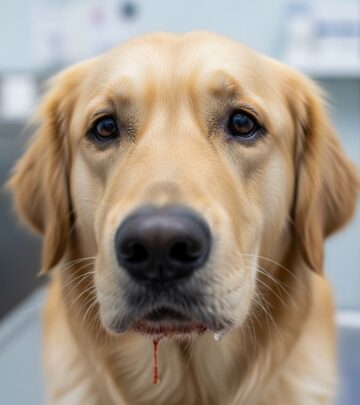
Not all dogs thrive in crates; watch for excessive barking, drooling, or elimination. Alternatives include exercise pens or sitters. Consult vets/trainers for desensitization if anxiety persists.
- Mild signs: Increase exercise, shorten sessions.
- Severe: Pause training; seek professional help.
Crating During Travel and Overnight
For car trips, secure crates in trunks or behind seats; test for stability. Airlines require rigid, leak-proof kennels. Overnight, puppies need 3-4 hour breaks; adults up to 8 hours max.
Pre-travel: Practice short crate car rides with acclimation.
Health Benefits and Risks of Crating
Benefits include faster housebreaking, injury prevention, and anxiety reduction in secure spaces. Risks: Overuse leads to separation anxiety, joint issues, or UTIs. Balance with daily exercise (1-2 hours walks/play).
Common Crating Myths Debunked
- Myth: Crates are cruel. Fact: Natural denning appeals to instincts when trained humanely.
- Myth: Adults hate crates. Fact: Most adapt with proper intro.
- Myth: Water always causes accidents. Fact: Secure bowls work; adjust for bedtime.
Frequently Asked Questions
How long can a 10-week puppy stay crated?
2-3 hours daytime; potty breaks every 2 hours overnight.
Is overnight crating safe for adults?
Yes, 6-8 hours if exercised; monitor health.
What if my dog cries in the crate?
Ignore after comforting setup; build tolerance slowly. Check for needs first.
Can I crate multiple dogs together?
No, unless littermates; risks fights or soiling.
Best crate for hot climates?
Wire with cooling mats; ample ventilation.
Daily Crate Schedules by Age
| Age Group | Daytime Max | Overnight Max | Breaks Needed |
|---|---|---|---|
| Puppy <3 mo | 2 hrs | 4 hrs | Every 2 hrs |
| 3-6 mo | 3-4 hrs | 6 hrs | Every 3-4 hrs |
| Adult | 4-6 hrs | 8 hrs | Post-work |
| Senior | 2-4 hrs | 6 hrs | Frequent potty |
Adjust for work schedules; daycare or walkers fill gaps.
References
- Setting Up Your Dog’s Crate for Comfort & Safety — Preventive Vet. 2023. https://www.preventivevet.com/dogs/what-to-put-in-your-dogs-crate
- Top 7 Crate Safety Tips for Pet Owners — Renegade Paws Rescue. 2023. https://www.renegadepawsrescue.org/post/top-7-crate-safety-tips-for-pet-owners
- Dog crates: When to use them and how to pick one — Cornell University College of Veterinary Medicine. 2024-01-15. https://www.vet.cornell.edu/departments-centers-and-institutes/riney-canine-health-center/canine-health-topics/dog-crates-when-use-them-and-how-pick-one
- How to Safely Crate Your Dog During Car Rides and Travel — Rock Creek Crates. 2023. https://rockcreekcrates.com/blogs/news/how-to-safely-crate-your-dog-during-car-rides-and-travel
- Ensuring Dog Crate Safety through Rigorous Testing — Thule. 2024. https://www.thule.com/en-us/about-thule/thule-test-center/dog-safety
- Kennel Guidelines — American Airlines Cargo. 2025. https://www.aacargo.com/learn/animals-kennel-guidelines.html
Similar Articles








Read full bio of medha deb