

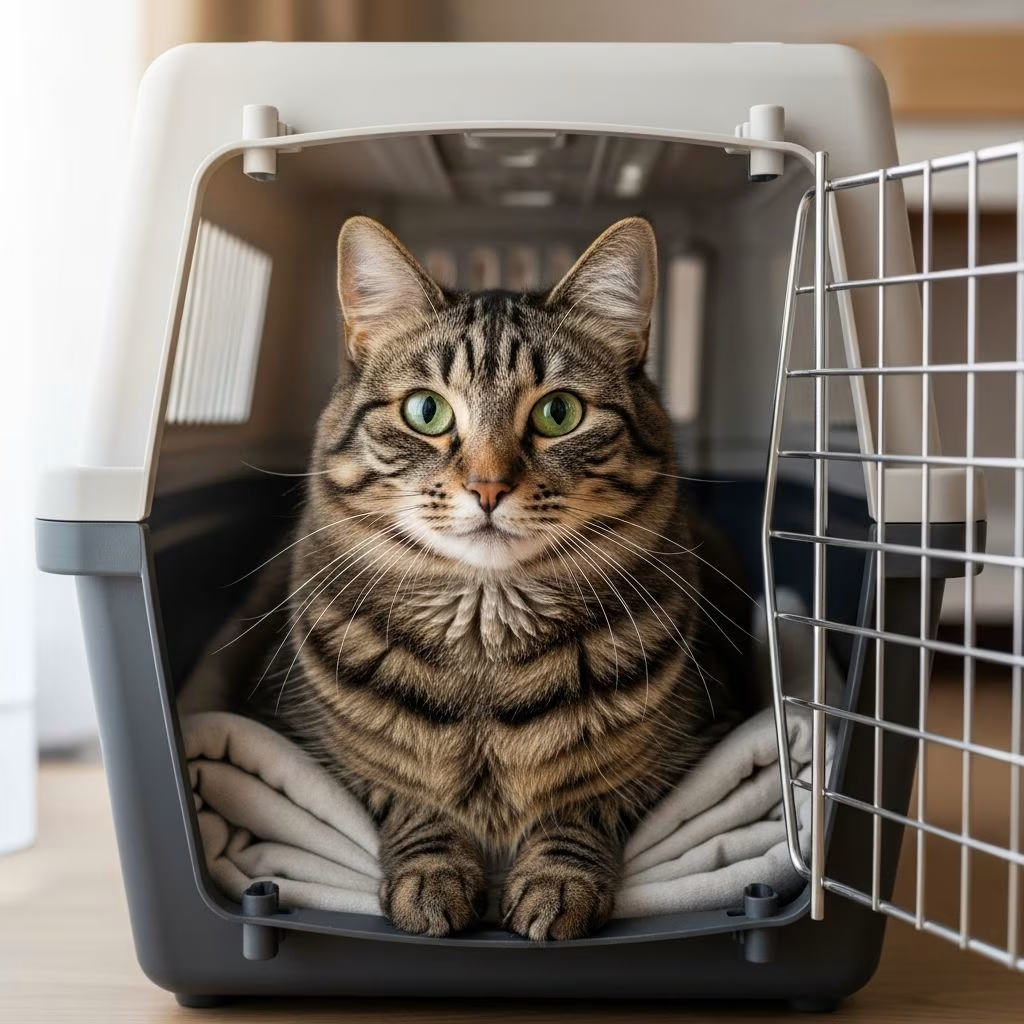
Cats can safely stay crated for short periods depending on their age, health, and training, typically ranging from 1-2 hours for kittens up to 8-12 hours for adults during travel or overnight, but routine confinement should never exceed 4-6 hours without breaks to prevent stress and health issues.
Understanding Crate Use in Feline Care
Crating provides a secure space for cats during travel, vet visits, or house training, mimicking their natural instinct for enclosed dens. Proper use promotes safety without causing anxiety, as long as duration aligns with the cat’s needs. Veterinary guidelines emphasize that crates should feel like a safe retreat, not punishment.
Age-Specific Crating Durations
Crating limits vary by life stage to account for bladder control, energy levels, and emotional maturity.
- Kittens (under 6 months): Limit to 1-2 hours max. Young felines need frequent potty breaks and playtime; longer periods risk accidents or distress.
- Junior cats (6-12 months): Up to 3-4 hours. Developing cats require stimulation to avoid boredom-induced behaviors like excessive meowing.
- Adults (1-7 years): 4-8 hours during day or night, with water access. Healthy adults handle moderate confinement well if trained.
- Seniors (8+ years): 2-4 hours only. Older cats may have mobility issues or medical needs demanding shorter intervals.
Always monitor for signs of discomfort like pacing or vocalizing, adjusting times accordingly.
Selecting the Ideal Crate Size and Type
Choose a crate allowing your cat to stand, turn around, lie down comfortably, per International Air Transport Association (IATA) standards for travel kennels. Hard plastic, metal, or wood construction ensures durability; ventilation must cover sides, back, and door to prevent overheating.
| Cat Weight | Recommended Crate Dimensions (L x W x H inches) | Best For |
|---|---|---|
| Under 10 lbs | 18 x 11 x 14 | Kittens/small breeds |
| 10-20 lbs | 24 x 18 x 19 | Average adults |
| Over 20 lbs | 30 x 21 x 24 | Large breeds/travel |
Avoid oversized crates that encourage soiling in corners; include absorbent liners and familiar bedding for security.
Essential Safety Features for Cat Crates
Prioritize escape-proof doors with secure latches and small-bar spacing to prevent paw entrapment. Remove collars to eliminate strangulation risks, as tags can snag on bars—similar to dog precautions but critical for agile cats. Clip-on bowls prevent spills; steer clear of chewable toys that pose choking hazards.
- Leak-proof base with litter pad.
- No sharp edges or protrusions.
- Pet-tamper-proof locks.
For vehicle travel, secure crates on the floor behind seats rather than using seatbelts, which may crush untested carriers in crashes.
Step-by-Step Crate Training Guide
Introduce the crate gradually using positive reinforcement to build association with comfort.
- Placement: Position in a quiet, family area for initial exposure.
- Lure with treats: Toss high-value snacks inside; let cat explore freely.
- Mealtime feeding: Serve meals inside to link crate with positivity.
- Short closures: Close door for seconds, rewarding calm behavior; extend time slowly.
- Add absences: Step away briefly, returning with praise.
- Pheromone aid: Spray Feliway on bedding for territorial security.
Training takes 1-4 weeks; consistency prevents resistance. Kittens adapt faster than adults.
Enhancing Comfort During Confinement
Cover three sides with a breathable sheet to simulate a den, reducing anxiety. Provide frozen kitten food in puzzle toys for mental stimulation without mess. Maintain 68-77°F temperature; add a worn t-shirt for familiar scent.
Health checks pre-crating: Ensure no urinary issues, as cats hide discomfort.
Crating for Travel: Air and Car Tips
Air Travel: Comply with IATA: rigid materials, full ventilation, individual crating unless with mother for litters. Acclimate 1-2 weeks prior; fast 4-6 hours before flight but offer water.
Car Travel: Floor-secure behind seats; avoid boosters lacking crash tests. Desensitize with short drives; cover if stressed. Never leave unattended in vehicles.
Recognizing and Preventing Stress Signals
Watch for dilated pupils, flattened ears, or urine spraying—indicators of distress. Mitigate with shorter sessions, enrichment, and vet consultation for persistent issues. Over-crating leads to litter avoidance or aggression.
Common Crating Myths Debunked
- Myth: Cats hate crates innately. Fact: Proper training makes them voluntary retreats.
- Myth: Larger is always better. Fact: Cozy fits promote security.
- Myth: Overnight crating harms adults. Fact: Fine if litter-equipped and monitored.
Frequently Asked Questions
How long can a kitten stay crated overnight?
4-6 hours max; provide litter and water for longer needs.
Is crating safe for multi-cat homes?
Yes, if each has personal space; rotate for equity.
What if my cat panics in the crate?
Pause training; consult vet for anxiety aids like pheromones.
Can I crate a cat during house cleaning?
Up to 2 hours; ensure ventilation and quiet.
Best crate for airline travel?
IATA-approved hard-sided with secure door.
Long-Term Benefits of Proper Crating
Well-trained cats view crates as havens, easing vet trips and moves. Reduces injury risks during emergencies and supports behavior modification.
References
- Top 7 Crate Safety Tips for Pet Owners — Renegade Paws Rescue. 2023. https://www.renegadepawsrescue.org/post/top-7-crate-safety-tips-for-pet-owners
- Cats and Crates: Tips for Comfortable Air Travel — Starwood Pet Travel. 2024. https://www.starwoodpet.com/blog/cats-and-crates-tips-for-comfortable-air-travel
- Dogs and Cats — The Car Seat Lady. 2025. https://thecarseatlady.com/pets/
- General Safety Tips for Traveling with a Pet in a Vehicle — SPCA Wake. 2021-04-01. https://spcawake.org/wp-content/uploads/2021/04/Crate-and-Carrier-traveling-tips.pdf
- Pets on Planes Lesson 1: Preparing and Receiving Pets for Air Travel — USDA APHIS. 2025. https://www.aphis.usda.gov/pet-travel/pets-on-planes/preparing-pets-air-travel
- Crate and Travel Safety Tips for Cats — VCA Animal Hospitals. 2024. https://vcahospitals.com/resources/lifestyle-cat/hazards-safety/crate-and-travel-safety-tips-for-cats
- Kennel Guidelines — American Airlines Cargo. 2025. https://www.aacargo.com/learn/animals-kennel-guidelines.html



