

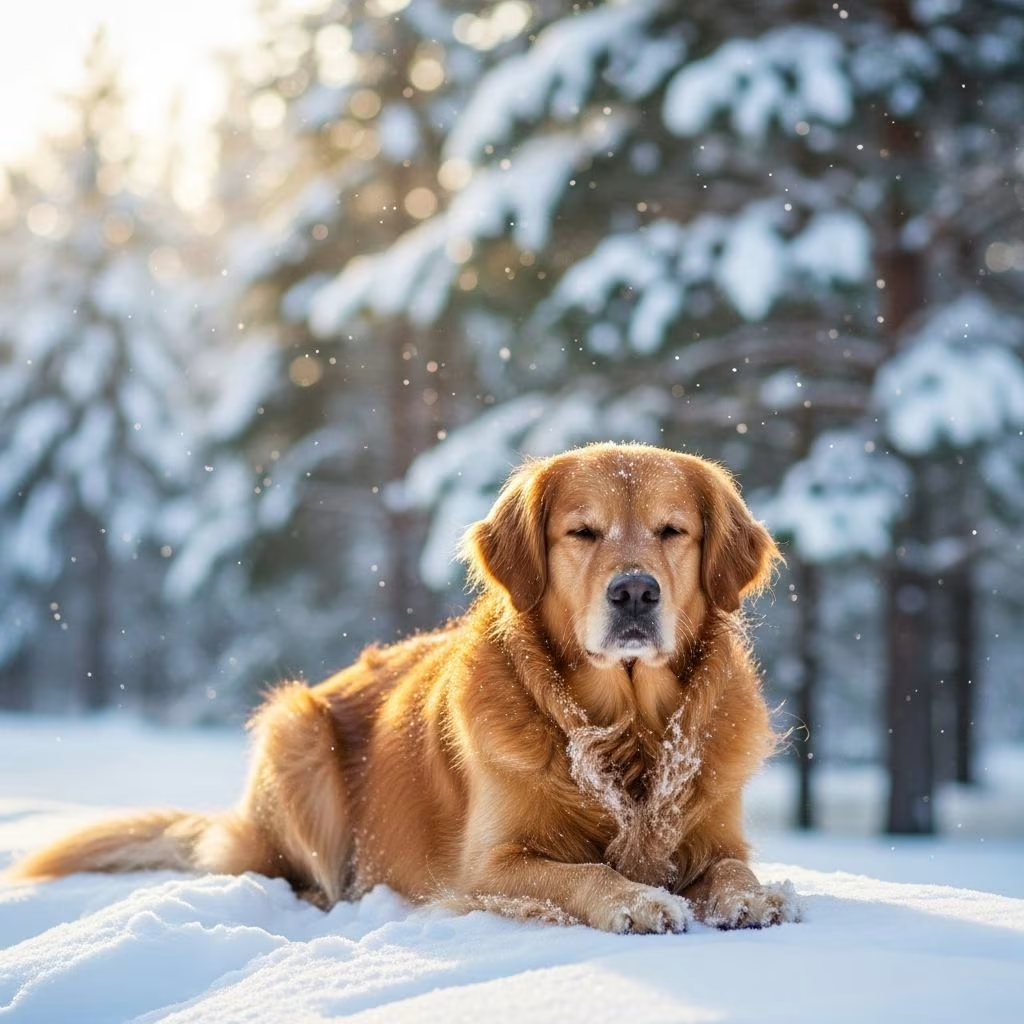
Dogs experience cold differently than humans due to variations in size, coat thickness, age, and overall health. While some breeds thrive in chilly conditions, others require extra precautions when temperatures fall. Understanding these factors helps prevent issues like hypothermia and frostbite, ensuring safe outdoor time during winter.
Factors Affecting a Dog’s Cold Tolerance
Several elements determine how well a dog handles low temperatures. These include physical traits, health status, and environmental conditions, all of which influence safe exposure limits.
Size and Body Composition
Smaller dogs lose body heat rapidly because of their higher surface-area-to-volume ratio. Breeds under 20 pounds, such as Chihuahuas or Pomeranians, feel cold sooner than larger counterparts like Labradors. Body fat acts as insulation, so lean or underweight dogs chill faster, while excess fat provides some protection—but obesity poses other health risks.
Breed and Coat Characteristics
Breeds originating from cold climates, like Siberian Huskies or Alaskan Malamutes, possess double coats that trap warm air effectively. These dogs tolerate sub-freezing temperatures better. In contrast, short-haired breeds such as Greyhounds, Boxers, or Pit Bulls need added warmth below 45°F (7°C).
- **Double-coated breeds:** Excellent insulation; suitable for extended time below 32°F (0°C).
- **Short-haired breeds:** Vulnerable; limit exposure under 45°F (7°C).
- **Hairless or thin-coated:** Highest risk; indoor-only in most cold snaps.
Age and Health Considerations
Puppies and senior dogs struggle with thermoregulation due to immature or declining metabolic functions. Those with conditions like arthritis, heart disease, or hypothyroidism face amplified risks. Acclimated dogs, gradually exposed to cooler weather, handle drops better than those transitioning from warm climates.
Temperature Guidelines for Outdoor Activities
No universal threshold exists, but general ranges guide safe practices. Always prioritize individual cues over strict numbers.
| Temperature Range (°F) | General Safety Level | Recommendations |
|---|---|---|
| Above 50°F (10°C) | Safe for all | Normal walks and play; monitor for ice. |
| 45°F–32°F (7°C–0°C) | Caution for vulnerable dogs | Shorten outings; use coats for small/short-haired pups. |
| 32°F–20°F (0°C–-7°C) | High risk for most | Potty breaks only; protect paws and body. |
| Below 20°F (-7°C) | Dangerous | Minimize time outside; no walks for non-arctic breeds. |
Wind chill exacerbates effects—for instance, 20°F (-7°C) with wind feels like 5°F (-15°C), hastening heat loss.
Recognizing and Preventing Cold-Related Issues
Early detection saves lives. Common problems include hypothermia (core temperature below 99°F/37°C) and frostbite on extremities.
Warning Signs of Overexposure
- Shivering or trembling uncontrollably.
- Lifted paws, hunching, or reluctance to walk.
- Whining, anxiety, or seeking warmth.
- Gum paleness, lethargy, or weakness—advanced hypothermia signs.
- Discolored, cold ears/tail/paws indicating frostbite.
Emergency Response Steps
- Warm gradually with blankets; avoid direct heat sources like hairdryers to prevent burns.
- Offer warm (not hot) fluids if alert.
- Seek veterinary care immediately for severe symptoms.
Protective Gear and Winter Prep
Appropriate apparel extends safe outdoor time. Choose well-fitted items covering chest and belly.
- Coats/Sweaters: Insulated for below 32°F; waterproof for snow/rain.
- Booties: Shield paws from ice melt, salt, and frostbite; opt for grippy soles.
- Scarves/Hoods: For ear protection in extreme cold.
Before outings, wipe paws to remove irritants. Indoor alternatives like puzzle toys or treadmill walks maintain exercise.
Adapting Routines by Season and Location
In regions with harsh winters, adjust expectations. Arctic breeds may enjoy snow, but others benefit from indoor potty options like pads or artificial turf during blizzards.
For multi-dog homes, tailor plans: a Husky might romp while a Dachshund stays cozy. Monitor group dynamics to avoid uneven chilling.
Long-Term Health Strategies
Build resilience through diet—high-quality food supports fat layers without overfeeding. Regular vet checkups catch vulnerabilities early. Gradually introduce cold via short exposures to improve tolerance.
Frequently Asked Questions
Can all dogs wear coats in cold weather?
No—double-coated breeds overheat easily; use lightweight options only if needed. Short-coated dogs benefit most.
How long can my dog stay outside at 25°F (-4°C)?
Limit to 10-15 minutes for small dogs; 30 minutes for large healthy ones. Watch for signs and factor wind.
Is it safe to walk dogs on salted roads?
Rinse paws after to prevent chemical burns. Booties offer best protection.
What if my dog refuses to go out in the cold?
Use indoor relief like pee pads. Reward bravery for short trips.
Do indoor dogs tolerate cold less?
Yes, without acclimation, they chill faster. Gradual exposure helps.
Regional and Breed-Specific Advice
In Canada or northern U.S., where temps plummet, prioritize shelter. Nordic breeds excel; tropical ones like Whippets need vigilant care.
For apartment dwellers, harness indoor energy with scent games or flirt poles. Balance mental and physical stimulation.
References
- How Cold Is Too Cold for a Dog? — Mills Animal Hospital. 2023. https://millsmarietta.com/blog/how-cold-is-too-cold-for-a-dog/
- When Is It Too Cold to Walk Your Dog? — Mills Animal Hospital. 2023. https://millsanimalhospital.com/blog/when-is-it-too-cold-to-walk-your-dog/
- How Long Can You Keep Your Dog Outside? — American Kennel Club. 2024-01-15. https://www.akc.org/expert-advice/health/how-long-can-dogs-be-outside/
- How Cold is Too Cold for Dogs? — Taconic Veterinary Center. 2023. https://taconicvet.com/blog/dog-wear-a-coat/
- How Cold Is Too Cold for Your Dog? — PetMD. 2024. https://www.petmd.com/dog/care/how-cold-too-cold-dog
- Cold weather animal safety — American Veterinary Medical Association. 2023-12-01. https://www.avma.org/resources-tools/pet-owners/petcare/cold-weather-animal-safety
- How Cold is Too Cold for Dogs — Thrive Pet Healthcare. 2024. https://www.thrivepetcare.com/thrive-guide/how-cold-is-too-cold-for-dogs



