

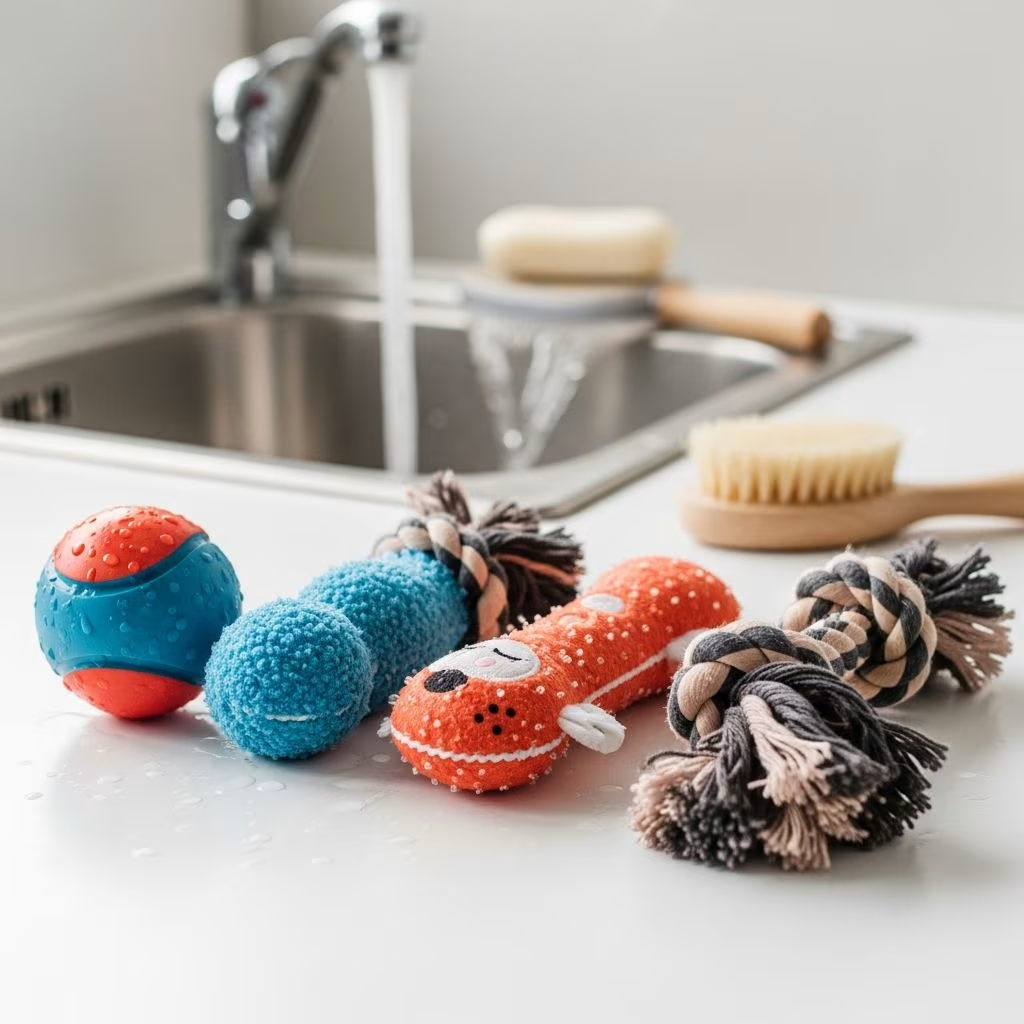
Keeping your dog’s toys clean is vital for preventing bacterial growth, reducing allergens, and extending toy lifespan. Toys accumulate saliva, dirt, and food particles during play, creating environments where germs thrive. Regular cleaning maintains a healthy play space and protects your pet from potential illnesses. This guide outlines methods tailored to toy materials, drawing from reliable pet care practices.
Why Regular Toy Cleaning Matters for Pet Health
Dog toys harbor bacteria like Salmonella and E. coli from saliva and outdoor debris, posing risks if ingested during chewing. The Centers for Disease Control and Prevention (CDC) emphasizes washing pet items with soap and water or dishwashers to remove dirt and disinfect effectively. Unclean toys can also trigger allergies or skin irritations in sensitive dogs. Cleaning frequency depends on use: daily rinses for heavily played toys, weekly deep cleans for others. Consistent hygiene supports overall pet wellness, minimizing vet visits for related infections.
Essential Supplies for Effective Toy Cleaning
Gather these items before starting: pet-safe mild detergents free of harsh chemicals, white vinegar for natural disinfection, soft brushes or old toothbrushes for scrubbing, microfiber cloths, laundry mesh bags for machine washing, and gloves for protection. Avoid bleach on most toys as it can leave toxic residues; opt for the CDC-recommended soapy water scrubs instead. Baking soda aids in deodorizing plush items without damaging fabrics.
Cleaning Plush and Stuffed Toys Step-by-Step
Plush toys with squeakers or fabrics require gentle handling to preserve stuffing and shapes. Machine washing works for durable ones, but hand washing suits delicate designs.
- Preparation: Remove loose dirt by vacuuming or shaking outdoors. Spot-treat stains with a baking soda paste, letting it sit 15 minutes before brushing off.
- Machine Method: Place toys in mesh bags to prevent snags. Use a gentle cycle with cold water and fragrance-free pet detergent. Add white vinegar to the softener compartment for disinfection during rinse—effective against odors and mild germs. Air dry or low-heat tumble to avoid mold; full dryness prevents mildew.
- Hand Method: Soak in warm water with mild soap for 10-15 minutes. Gently scrub stains, rinse thoroughly, squeeze excess water, and air dry on a rack.
Expect multiple dryer cycles for thorough drying, as damp toys foster bacteria.
Handling Rubber, Plastic, and Nylon Toys
These durable materials withstand robust cleaning, including dishwashers, making maintenance straightforward.
| Method | Steps | Best For |
|---|---|---|
| Dishwasher | Top rack only, normal cycle, no heat dry, mild detergent. | Smooth surfaces without labels warning against it. |
| Hand Wash | Warm soapy water, scrub crevices with brush, rinse, air dry. | All types, especially textured ones. |
| Vinegar Soak | 1:1 vinegar-water solution, 20-minute soak, rinse. | Quick disinfection. |
Pet-safe antibacterial soaps enhance germ removal during hand scrubs. Always check manufacturer labels to avoid warping from heat.
Special Techniques for Rope and Chew Toys
Rope toys absorb saliva, demanding frequent attention to prevent bacterial buildup. Soak in warm soapy water or vinegar solution for 5-10 minutes, then scrub strands individually. For machine-safe ropes, use a laundry bag on gentle hot cycle, followed by sun drying to leverage UV disinfection. Surface wipe nylon chews with vinegar-misted cloths, avoiding full submersion if knotted. Discard frayed ropes harboring hidden dirt.
Best Practices for Toys with Electronics or Squeakers
Water damages batteries and mechanisms, so prioritize dry methods. Disassemble by removing batteries first. Wipe exteriors with vinegar-sprayed microfiber cloths, ensuring no liquid enters seams. Air dry fully before reassembly. For squeaker plush, hand wash only, focusing on outer fabrics without soaking internals.
Natural Disinfectants and Eco-Friendly Options
White vinegar (5% acidity) kills many bacteria safely; mix equal parts with water for sprays or soaks. Baking soda neutralizes odors—sprinkle, let sit, then vacuum or rinse. Sunlight provides free UV sanitization for air-drying items, effective against pathogens. These alternatives suit chemical-sensitive households and align with CDC hand-washing protocols.
How Often Should You Clean Dog Toys?
Tailor schedules to play intensity:
- Daily: Rinse outdoor or wet toys with water to remove mud.
- Weekly: Deep clean all plush and rope toys.
- Bi-weekly: Dishwasher or soak hard toys.
- Monthly: Inspect for wear; discard irreparable items.
Signs prompting immediate cleaning include strong odors, visible slime, or discoloration. Overly porous toys may need replacement rather than repeated washing.
Common Mistakes to Avoid in Toy Cleaning
Steer clear of hot water on plush (causes shrinkage), fabric softeners (toxic residues), or bleach (harmful if chewed). Skipping full drying invites mold, while overloading machines tangles toys. Never use human dish soaps with enzymes that irritate pet mouths. Always test small areas on new cleaning solutions.
Storage Tips Post-Cleaning for Lasting Freshness
Store dry toys in breathable bins away from moisture. Rotate toys to prevent overuse and boredom, cleaning stored ones monthly. Separate clean from dirty to maintain hygiene cycles.
Frequently Asked Questions (FAQs)
Can I wash dog toys with my laundry?
Yes, use mesh bags and pet-safe detergent on gentle cycles, but avoid mixing with human clothes to prevent cross-contamination.
Is the dishwasher safe for all hard toys?
Only top-rack approved ones; check labels. CDC confirms it’s effective with sanitizing settings.
What if my dog chews toys aggressively?
Choose dishwasher-safe or replaceable materials; clean more frequently and supervise play.
Does vinegar kill all bacteria on toys?
It reduces many, but combine with scrubbing for best results; not a sterilizer like heat.
How do I clean toys with embedded treats?
Soak in vinegar solution to loosen, then brush out remnants before full wash.
Advanced Cleaning for Heavy Soil Buildup
For neglected toys, start with a pre-soak in enzyme pet cleaners (if labeled safe), followed by baking soda-vinegar fizzing action to lift grime. Multiple rinse cycles ensure no residue. For stubborn rubber stains, a soft toothbrush with dish soap targets grooves effectively. Monitor toy integrity post-clean; weakened items risk choking hazards.
Integrating these routines fosters a safer environment, promoting joyful, healthy playtime. Adapt methods to your dog’s habits for sustained results.
References
- About Cleaning and Disinfecting Pet Supplies — CDC. 2023-10-01. https://www.cdc.gov/healthy-pets/about/cleaning-and-disinfecting-pet-supplies.html
- How to Wash Dog Toys: A Complete Guide — Multipet. 2024-05-15. https://www.multipet.com/how-to-wash-dog-toys-a-complete-guide/
- How to Wash Dog Toys in Your Washing Machine — Maytag. 2024-02-20. https://www.maytag.com/blog/washers-and-dryers/how-to-wash-dog-toys-in-washer.html
- How to Wash Dog Toys — BARK. 2023-11-10. https://bark.co/blogs/bark-post/how-to-wash-dog-toys
- How to Clean Dog Toys and the Frequency for Optimal Health — CanDo Canines. 2024-01-05. https://candocanines.org/how-to-clean-dog-toys-and-the-frequency-for-optimal-health/
- A Quick and Easy Guide to Cleaning Dog Toys — Hill’s Pet Nutrition. 2023-08-12. https://www.hillspet.com/dog-care/play-exercise/how-to-properly-clean-dog-toys



