

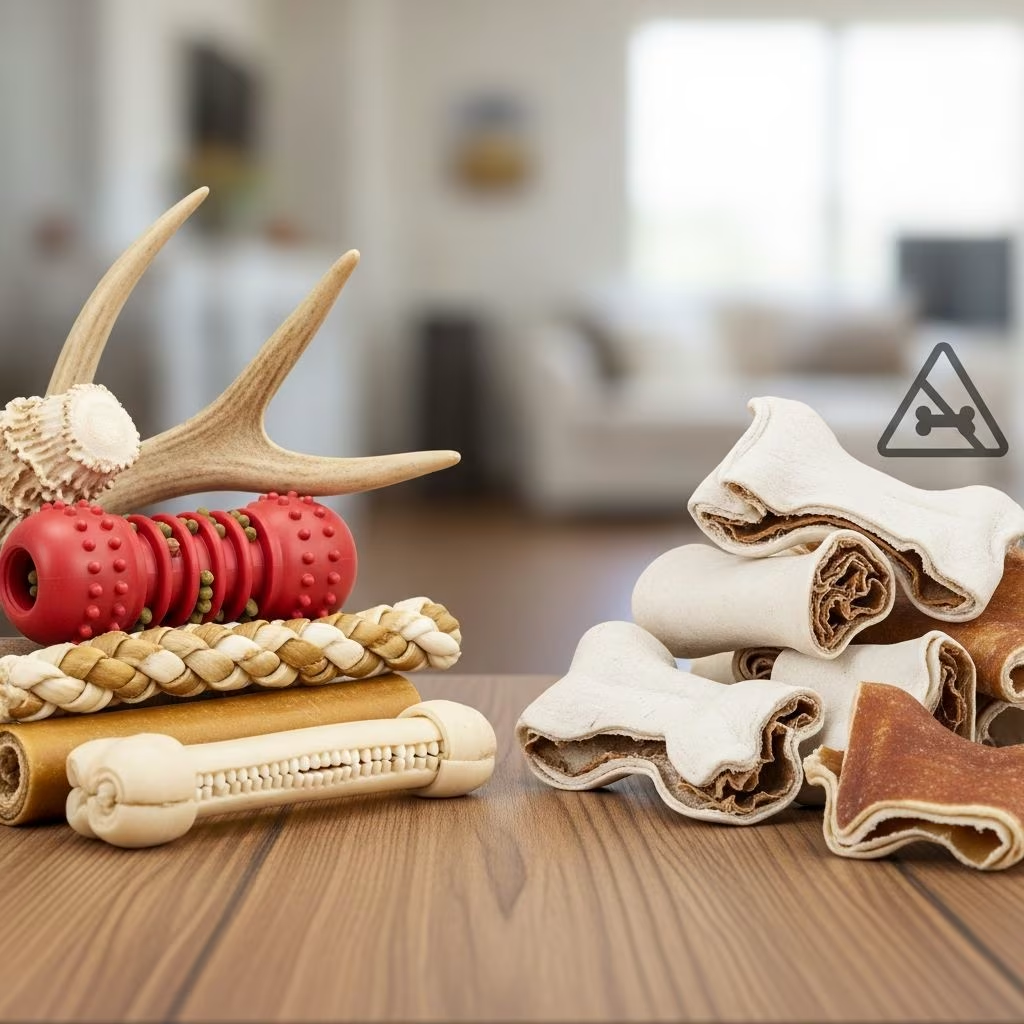
Many dog owners turn to rawhide chews as an affordable way to entertain and occupy their pets. However, these popular treats carry substantial health risks that can lead to emergency veterinary visits. Understanding the production process, potential dangers, and superior options allows pet parents to make informed decisions for their dog’s well-being.
Understanding What Rawhide Really Is
Rawhide begins as the inner layer of animal skins, typically from cows or other livestock. The hides undergo extensive processing: cleaning, splitting, dehairing, liming, and treatment with chemicals to preserve and shape them into chews. This industrial process often involves arsenic-based preservatives, formaldehyde, and other toxins to prevent bacterial growth and achieve the desired texture.
Unlike natural bones, rawhide does not dissolve easily in a dog’s stomach. It expands when wet, forming a glue-like mass that can linger in the digestive system for extended periods. This characteristic makes it particularly hazardous, as small pieces swallowed during chewing can accumulate and cause problems downstream.
Primary Health Risks of Rawhide Chews
While some dogs tolerate rawhide without immediate issues, the consensus among veterinary experts highlights several critical dangers. These risks affect dogs of all ages, sizes, and breeds, making rawhide a gamble not worth taking.
Choking Hazards and Throat Obstructions
The most immediate threat comes from large chunks breaking off during enthusiastic chewing. Aggressive chewers can gulp sizable pieces, leading to blockages in the esophagus or trachea. This scenario demands urgent intervention, as choking can occur within minutes.
- Dogs with powerful jaws, like Pit Bulls or Labs, are especially prone to snapping off big fragments.
- Even gentle chewers risk aspiration if pieces slip down the wrong way.
- Supervision is essential, but constant monitoring isn’t practical for all owners.
Intestinal Blockages and Surgical Emergencies
Swallowed rawhide doesn’t break down like meat or true edible chews. It swells in the stomach and intestines, potentially forming life-threatening obstructions. Symptoms include vomiting, lethargy, abdominal pain, and loss of appetite, often requiring costly surgery to resolve.
Veterinarians report frequent cases where rawhide pieces lodge in the pylorus or small intestine, necessitating exploratory surgery. Recovery involves hospitalization, IV fluids, and antibiotics, with no guaranteed happy ending.
Chemical Contamination and Toxicity
Processing exposes rawhide to harmful substances. Tests have detected salmonella, E. coli, and heavy metals in imported products. Handling these chews can sicken humans too, particularly children or immunocompromised individuals.
Chronic low-level exposure to preservatives may contribute to long-term health issues, though research is ongoing. Opting for any rawhide means accepting unnecessary chemical risks.
Dental Injuries and Gastrointestinal Upset
Hard varieties can fracture teeth, especially in smaller breeds or puppies with developing dentition. Softer types may seem safer but still irritate sensitive stomachs, causing diarrhea, vomiting, or allergies.
Paradoxically, rawhide is marketed for dental health, yet the risks often outweigh plaque-scraping benefits. Safer options exist for oral hygiene.
Factors Influencing Rawhide Safety
Not all rawhide is identical. Size, source, and quality play roles, but none eliminate core dangers.
| Factor | Impact on Safety | Recommendation |
|---|---|---|
| Size Match | Proper sizing reduces but doesn’t prevent chunk-swallowing. | Always select larger than mouth-sized; discard small remnants. |
| Country of Origin | Imports from Asia often have higher chemical loads. | Prefer U.S.-made, but risks persist. |
| Added Flavors/Dyes | Increase allergy and toxicity potential. | Avoid flavored varieties entirely. |
| Chewing Style | Gulpers vs. grinders face different threats. | Assess your dog’s habits first. |
Even “digestible” or pressed rawhides retain expansion properties. Veterinary organizations like the ASPCA and Humane Society advise against them universally.
Veterinary Perspectives on Rawhide
Most vets discourage rawhide due to predictable emergencies. The American Kennel Club notes safety “depends,” but emphasizes supervision and size selection—strategies that fail under real-world conditions.
Vets caution against rawhide for risks of choking, blockages, and contamination, recommending alternatives that promote health without peril.
Superior Alternatives to Rawhide
Thankfully, innovative products satisfy chewing instincts safely. Choose based on your dog’s preferences, size, and dietary needs.
Natural Protein-Based Chews
- Bully Sticks: Single-ingredient beef pizzle, fully digestible, rich in protein. Odorless options available; supervise initially.
- Antlers and Horns: Naturally shed deer/elk antlers provide long-lasting abrasion without splintering. Trim sharp tips periodically.
- Fish Skins or Hides: Dehydrated salmon or whitefish offer omega-3s and dental scraping; highly palatable.
Durable Synthetic and Rubber Toys
Kong-style toys filled with peanut butter or frozen treats engage mentally and physically. Benebones mimic bone shape with food-grade nylon, outlasting rawhide without health risks.
Dental-Specific Treats
Enzyme-infused chews like Greenies reduce tartar via brushing action and probiotics. VOHC-approved products (Veterinary Oral Health Council) carry seals for proven efficacy.
How to Introduce New Chews Safely
- Match size to dog’s mouth—too small invites gulping.
- Observe first sessions in a crate or playpen to gauge chewing style.
- Rotate options to prevent boredom and over-reliance.
- Inspect regularly for wear; discard fragments.
- Consult vet for puppies, seniors, or dogs with health conditions.
DIY Chew Solutions at Home
For budget-conscious owners, frozen carrots, apple slices (no seeds), or ice cubes with broth provide safe, low-calorie options. Avoid cooked bones, which splinter dangerously.
FAQs: Common Questions About Dog Chews
Can any dog have rawhide occasionally?
Experts say no—risks aren’t dose-dependent. One bad chew can cause irreversible harm.
Are U.S.-made rawhides safer?
Stricter regulations help, but choking and blockage issues remain inherent.
What if my dog loves rawhide?
Transition gradually with favored flavors in alternatives. Most adapt quickly to safer joys.
How do I know if a chew is digestible?
Look for single-ingredient, meat-based products without binders or fillers.
Do chew toys replace mental stimulation?
No—combine with training, puzzles, and exercise for complete enrichment.
Long-Term Benefits of Safe Chewing
Proper chews reduce destructive behaviors, alleviate anxiety, and maintain dental health. Healthier jaws support nutrition absorption, while avoiding vet bills preserves budgets. Investing in quality pays dividends in a happier, longer-lived companion.
By ditching rawhide, owners prioritize prevention over cure. Explore stores or online for vetted products, reading labels meticulously. Your dog’s tail wags—and safety—will thank you.
References
- The Dangers of Raw Hide Chews — Houston Pet Talk. Accessed 2026. https://www.houstonpettalk.com/pet-care/the-dangers-of-raw-hide-chews/
- Is Rawhide Safe for Dogs? Risks, Alternatives and Vet Advice — Vets Now. Accessed 2026. https://www.vets-now.com/pet-care-advice/rawhide-and-dogs/
- Is Rawhide Bad for Dogs: Safer Chew Options — Harmony Animal Hospital. Accessed 2026. https://www.harmonyanimalhospital.net/is-rawhide-bad-for-dogs-2/
- Is Rawhide Safe for Your Dog? Do’s and Don’ts and Safety Tips — Dogs Inc. Accessed 2026. https://dogsinc.org/blog/ask-the-vet/is-rawhide-safe-for-your-dog/
- Is Rawhide Bad For Dogs? The Shocking Truth — Dogs Naturally Magazine. Accessed 2026. https://www.dogsnaturallymagazine.com/rawhide-dangerous-for-dogs/
- Rawhide Bones and Treats for Dogs: Risks and Benefits — WebMD Pets. Accessed 2026. https://www.webmd.com/pets/dogs/rawhide-good-or-bad-for-your-dog
- Are Rawhide Chews Dangerous for Dogs? — American Kennel Club. Accessed 2026. https://www.akc.org/expert-advice/health/are-rawhide-chews-dangerous-for-dog/



