

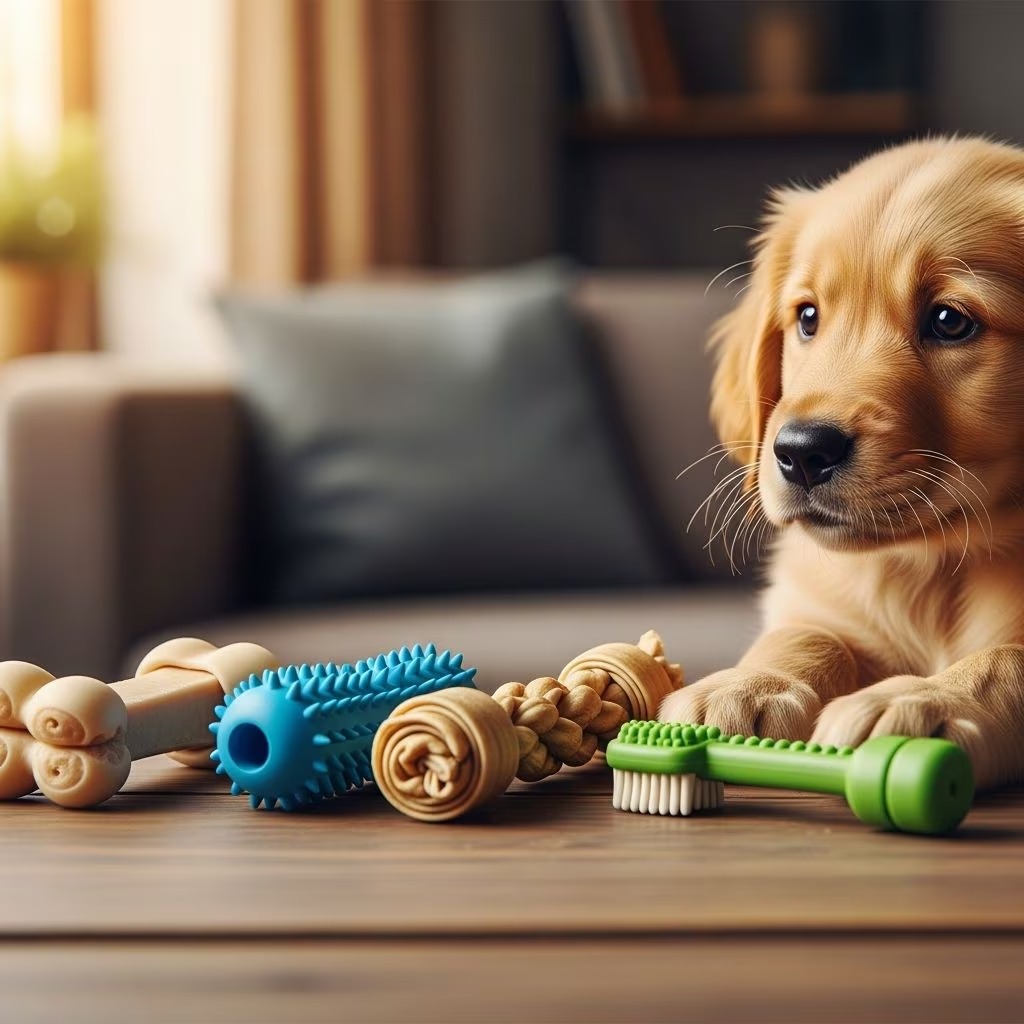
Puppies naturally chew to explore their world, relieve teething discomfort, and maintain oral health, but offering bones requires caution due to significant health risks. While raw bones may provide some nutritional and behavioral advantages, veterinary experts highlight dangers like dental fractures, choking hazards, and digestive issues that often outweigh the positives for young dogs.
Why Puppies Chew and the Role of Chew Items
Chewing is an essential behavior for puppies, driven by teething pain as their 28 deciduous teeth emerge around 3-6 weeks and are replaced by 42 adult teeth by 6-7 months. This process causes sore gums, prompting puppies to seek relief through gnawing. Appropriate chew items can redirect this instinct from furniture or shoes, promoting mental enrichment and reducing anxiety.
Beyond teething, chewing strengthens jaw muscles, scrapes plaque from teeth, and offers a calming outlet for excess energy. Studies indicate that regular chewing during puppyhood may correlate with lower risks of later gastrointestinal issues, though evidence relies on owner surveys rather than controlled trials.
Potential Advantages of Bones for Puppies
Raw bones, particularly large beef marrow bones, appeal to many owners for their natural appeal. When sourced fresh and handled properly, they offer targeted benefits tailored to a puppy’s developmental needs.
- Gum Relief During Teething: The textured surface massages inflamed gums, easing discomfort more effectively than some synthetic toys.
- Mental and Physical Stimulation: Chewing satisfies innate urges, preventing boredom-induced destructive behaviors and providing exercise for developing jaws.
- Nutritional Contributions: Bones supply calcium, phosphorus, and trace minerals vital for skeletal growth, while marrow adds healthy fats in moderation.
- Dental Maintenance: Gnawing may reduce tartar buildup, potentially lowering calculus as shown in short-term studies on bone chewing.
These upsides are most relevant for puppies over 12 weeks with supervision, but they hinge on selecting appropriately sized, uncooked bones from reputable sources.
Serious Risks Associated with Puppy Bone Chewing
Despite attractions, bones pose substantial threats to puppies’ fragile mouths and digestive systems. Veterinary literature consistently warns against them, emphasizing that even raw varieties carry inherent dangers.
| Risk Category | Description | Potential Consequences |
|---|---|---|
| Dental Trauma | Hard surfaces crack milk teeth or emerging adult teeth under puppy bite pressure. | Pain, infection, periodontal disease, costly extractions or root canals. |
| Choking and Obstruction | Small fragments or whole pieces lodge in throat or intestines. | Emergency surgery, life-threatening blockages. |
| Gastrointestinal Damage | Sharp splinters lacerate or perforate gut lining; excess marrow causes diarrhea. | Peritonitis, sepsis, constipation. |
| Bacterial Contamination | Raw bones harbor Salmonella, E. coli if not fresh. | Vomiting, severe infections. |
Cooked bones exacerbate these issues by becoming brittle and splinter-prone during heating, a point stressed across veterinary guidelines. Pork and rib bones are especially hazardous due to size and fragility.
Types of Bones: Which Are Most Problematic?
Not all bones equate equal risk. Weight-bearing bones from large animals like cows seem sturdier but demand immense force to chew, heightening fracture chances in puppies. Poultry or small mammal bones splinter readily, while raw beef femur or knuckle bones might tolerate gnawing better—if oversized to prevent swallowing.
- Avoid Entirely: Cooked bones, poultry necks/wings, ribs, small animal bones.
- High Caution: Raw pork, lamb; any bone not inspected for freshness.
- Conditional Use: Large raw beef marrow bones, only post-vet approval and under watch.
Puppies under 6 months, with softer jaws and developing dentition, face amplified vulnerabilities compared to adult dogs.
Veterinary Guidelines for Introducing Bones
Experts from practices like FirstVet and Zoetis advocate minimal bone use, prioritizing safety protocols if attempted. Always consult a veterinarian first, factoring your puppy’s age, breed, size, and health history.
- Source Quality Raw Bones: Human-grade, fresh-frozen from butchers; thaw in fridge.
- Size Appropriately: Must be wider than puppy’s muzzle to avoid swallowing.
- Supervise Constantly: 10-15 minute sessions; intervene if splintering occurs.
- Limit Frequency: 1-2 times weekly; discard after use if compromised.
- Monitor Post-Chew: Watch for drooling, vomiting, lethargy signaling issues.
Post-chew dental checks and stool monitoring help catch problems early. If any adverse signs appear, halt immediately and seek care.
Superior Alternatives to Bones for Puppy Chewing
Vet-preferred substitutes mimic bone benefits without hazards, using durable, digestible materials designed for puppies.
- Firm Rubber Toys: Kong Puppy variants filled with treats for prolonged engagement.
- Nylabone Puppy Chews: Soft, non-toxic nylon flavored for teething.
- Frozen Carrots or Wet Rags: Chill for gum-numbing effect; fully digestible.
- Dental Chews: VOHC-approved products like Greenies Puppy formula reduce plaque safely.
- Antler Pieces: Split, sanded naturally shed elk antlers—supervise to avoid slivers.
Rotate options to maintain interest, matching toughness to your puppy’s chewing style: power, moderate, or light.
Building a Comprehensive Puppy Oral Health Routine
Bone avoidance pairs with proactive care: daily brushing using enzymatic toothpaste, weekly dental gels, and annual vet cleanings under anesthesia if needed. Pair with balanced kibble containing dental-supporting kibble shapes. Chewing alone cannot replace these; it’s supplementary at best.
Breeds like Bulldogs or Retrievers prone to dental crowding benefit from rigorous regimens to preempt issues.
Frequently Asked Questions
Can puppies under 3 months chew bones?
No—extremely high risk of tooth damage and choking; stick to soft fabrics or vet toys.
Are rawhide chews safe alternatives?
Often not; they swell in stomachs causing blockages. Opt for single-ingredient, digestible options.
How do I know if my puppy fractured a tooth?
Signs: drooling blood, pawing mouth, reluctance to chew hard food. X-rays confirm.
Can chewing bones cause constipation?
Yes, from indigestible fragments or over-marrow intake.
What’s the best age to try supervised raw bones?
After 6 months, once adult teeth emerge, with vet clearance.
Key Takeaways for Puppy Owners
Prioritize safety over tradition—bones offer marginal gains eclipsed by severe risks. Invest in vetted alternatives, supervise rigorously, and integrate full dental care. Healthy chewing fosters happy, well-adjusted puppies without unnecessary vet bills.
References
- Are Marrow Bones Safe for Puppies? Benefits, Risks & Vet Tips — The Mobile Barkery. 2023. https://themobilebarkery.com/blogs/natural-dog-treats/are-marrow-bones-safe-for-puppies-risks-benefits-vet-approved-alternatives
- Is it safe for your dog to chew on bones? — FirstVet. 2024. https://firstvet.com/us/articles/can-dogs-eat-bones
- Dog Bone Safety: What You Need to Know — Zoetis Petcare. 2023. https://www.zoetispetcare.com/blog/article/dog-bone-safety
- No Bones About It: Why Chewing Bones is Bad for Dogs’ Teeth — Bethel Pet Hospital. 2024. https://www.bethelpethospital.com/blog/no-bones-about-it-why-chewing-bones-is-bad-for-dogs-teeth-bethel-pet-hospital
- Dog Bone Safety: Can Dogs Eat Bones? — Emergency Orlando Animal Hospital. 2024-05-15. https://www.eoah.com/site/blog/2024/05/15/dog-bone-safety-can-dogs-eat-bones
- The Benefits and Risks of Chew Treats — Today’s Veterinary Practice. 2023. https://todaysveterinarypractice.com/nutrition/the-benefits-and-risks-of-chew-treats/
- Functional significance and welfare implications of chewing in dogs — PMC (PubMed Central). 2024. https://pmc.ncbi.nlm.nih.gov/articles/PMC11980702/



