

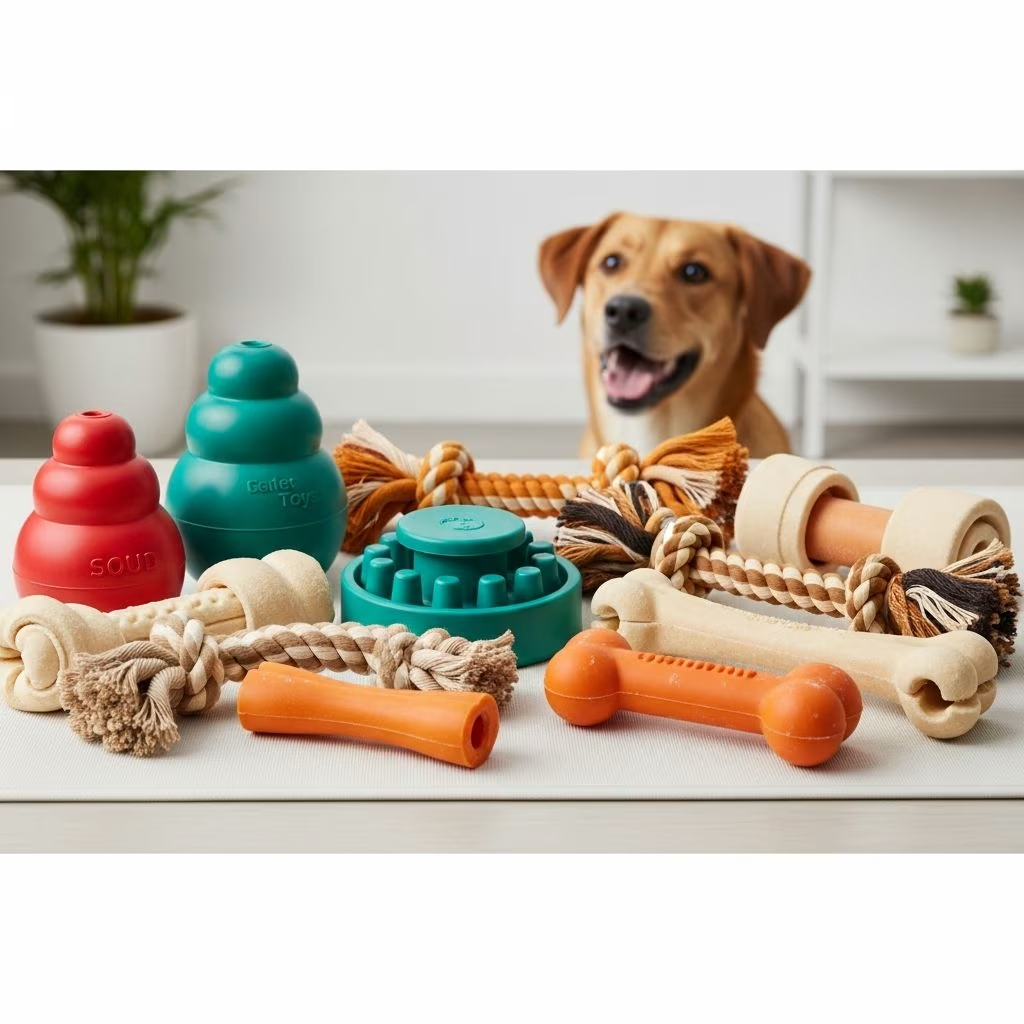
Chewing is a natural behavior for dogs, essential for dental hygiene, stress relief, and mental stimulation. However, not all chew toys are created equal—some can cause serious injuries, dental fractures, or toxicity. This guide explores how to identify safe options, understand material differences, and match toys to your dog’s chewing style for enjoyable, risk-free playtime.
Why Dogs Chew and the Importance of Safe Toys
Dogs chew to explore their world, alleviate teething discomfort in puppies, and maintain oral health by reducing plaque buildup. Safe chew toys support these instincts without risks like choking, blockages, or tooth damage. Veterinary experts emphasize selecting toys with flexibility to prevent enamel cracks, as dog teeth are vulnerable to hard surfaces.
Unsafe toys contribute to common emergencies: fractured teeth requiring costly extractions, intestinal obstructions from swallowed pieces, or chemical leaching from low-quality plastics. By prioritizing durability, size-appropriate designs, and non-toxic compositions, owners can foster healthy habits while minimizing vet visits.
Dangerous Chew Toys to Avoid Completely
Certain popular items pose immediate threats due to their rigidity or breakdown potential. Here’s what to steer clear of:
- Real Bones, Antlers, Hooves, and Horns: These natural hard items exceed the hardness of canine teeth, leading to painful fractures. Even cooked bones splinter into sharp shards.
- Hard Nylon or Plastic Bones: Marketed as indestructible, they often chip teeth upon aggressive gnawing. Veterinary guidelines warn against anything unyielding under thumbnail pressure.
- Rawhide Chews: They swell in the stomach, causing digestive blockages or choking if gulped in large pieces. Digestion is slow and unpredictable.
- Toys with Small Detachable Parts: Eyes, squeakers, ribbons, or bells can be ingested, risking perforations or obstructions.
Always perform the thumbnail test: Press your nail into the toy—if it doesn’t indent slightly, it’s too rigid for safe use.
Top Materials for Safe and Durable Chew Toys
Focus on flexible, resilient materials that mimic the give of dog teeth while resisting destruction. Key options include:
| Material | Pros | Cons | Best For |
|---|---|---|---|
| Natural Rubber | Bouncy, treat-holding cavities, withstands power chewers | May wear over time with extreme use | All chewers, especially aggressive ones |
| Thermoplastic Elastomer (TPE) | Recyclable, floats in water, easy to clean, long-lasting | Less ‘natural’ feel for some dogs | Water play, eco-conscious owners |
| Firm but Pliable Rubber | Non-toxic, dental-friendly, affordable | Requires size matching to dog’s jaw | Moderate to heavy chewers |
Natural rubber, like that in popular hollow toys, allows stuffing with safe treats such as peanut butter (xylitol-free), frozen pumpkin, or kibble for extended engagement. TPE stands out for sustainability—fully recyclable and reducing raw material needs.
Matching Toys to Your Dog’s Chewing Intensity
Dogs vary in chewing power: classify yours as a Light Chewer (nibbles occasionally), Moderate Chewer (daily but gentle), or Power Chewer (destroys toys quickly). Tailor selections accordingly:
- Light Chewers: Rope toys for tugging (supervise to prevent fiber ingestion), soft stuffed toys without loose parts.
- Moderate Chewers: Hollow rubber toys stuffed and frozen for challenge, braided ropes.
- Power Chewers: Thick natural rubber rings or TPE indestructible designs; avoid thin-walled items.
Size matters: Choose toys larger than your dog’s mouth to prevent swallowing. Rotate toys weekly to maintain interest and extend lifespan.
Enhancing Play with Treat-Stuffed Innovations
Elevate basic chewing by incorporating food puzzles. Hollow toys from brands using safe rubbers can be filled with:
- Xylitol-free peanut butter or cheese.
- Canned pumpkin or smashed banana for gentle tummies.
- Dry kibble for slower dispensing.
Freezing stuffed toys increases difficulty, promoting longer sessions and better dental scraping. This method reduces boredom-induced destructive chewing while delivering mental workouts.
Maintenance and Longevity Tips for Chew Toys
Regular inspection prevents accidents:
- Daily Checks: Look for cracks, loose strings, or wear; discard immediately if compromised.
- Cleaning Routine: Wash rubber/TPE toys with mild soap and hot water; ropes can be machine-washed (air-dry).
- Supervision Rule: Never leave unsupervised initially to gauge safety.
- Replacement Schedule: Swap every 1-6 months based on wear; recyclable TPE extends eco-friendliness.
Store toys separately to avoid bacterial cross-contamination. Proper care ensures toys last longer, saving money and reducing landfill waste.
Dental Health Benefits of Proper Chewing
Flexible chew toys act as natural toothbrushes, massaging gums and dislodging tartar. Combined with brushing and vet dental cleanings, they lower risks of periodontal disease, which affects 80% of dogs over age three. Avoid hard items to prevent microfractures that harbor bacteria.
Frequently Asked Questions (FAQs)
Are natural rubber toys better than plastic ones?
Natural rubber offers superior flexibility and safety for most dogs, but high-quality TPE plastics provide recyclability and buoyancy without toxicity risks.
Can puppies use the same chew toys as adults?
Puppies need softer options during teething; transition to firmer rubbers around 6-12 months, always supervising.
What if my dog swallows a piece of toy?
Monitor for vomiting, lethargy, or appetite loss; contact a vet promptly for potential blockages.
Are rope toys safe for all dogs?
Yes for tug play under supervision, but discard if fibers fray to avoid intestinal issues.
How do I know if a toy is non-toxic?
Seek food-grade labels, trusted brands, and avoid unknown plastics/vinyls prone to chemical leaching.
Final Thoughts on Prioritizing Safety in Play
Investing time in selecting safe chew toys pays dividends in your dog’s health and happiness. By avoiding hazards, embracing flexible materials like rubber and TPE, and customizing to chewing styles, play becomes a cornerstone of wellness. Consult your vet for personalized recommendations, especially for aggressive chewers or those with dental histories.
References
- What’s the Best Chew Toy Material for Dogs? — Project Hive Pet Company. 2023. https://projecthivepetcompany.com/blogs/news/what-s-the-best-chew-toy-material-for-dogs-1
- Chew Toys Guide for Dogs — Animal Emergency & Referral Center of Minnesota. 2024. https://aercmn.com/chew-toys-guide-for-dogs/
- What Type of Chew Toys are Safe for Dogs? — Zoetis Petcare. 2025-01-15. https://www.zoetispetcare.com/blog/article/type-chew-toys-safe-dogs
- Is Your Dog’s Chew Toy Safe? A Guide for Tempe Pet Owners — Tempe Pet Hospital. 2024. https://tempepethospital.com/is-your-dogs-chew-toy-safe-a-guide-for-tempe-pet-owners/
- Don’t Chew On This! — American Animal Hospital Association (AAHA). 2023-06-01. https://www.aaha.org/resources/dont-chew-on-this/



