

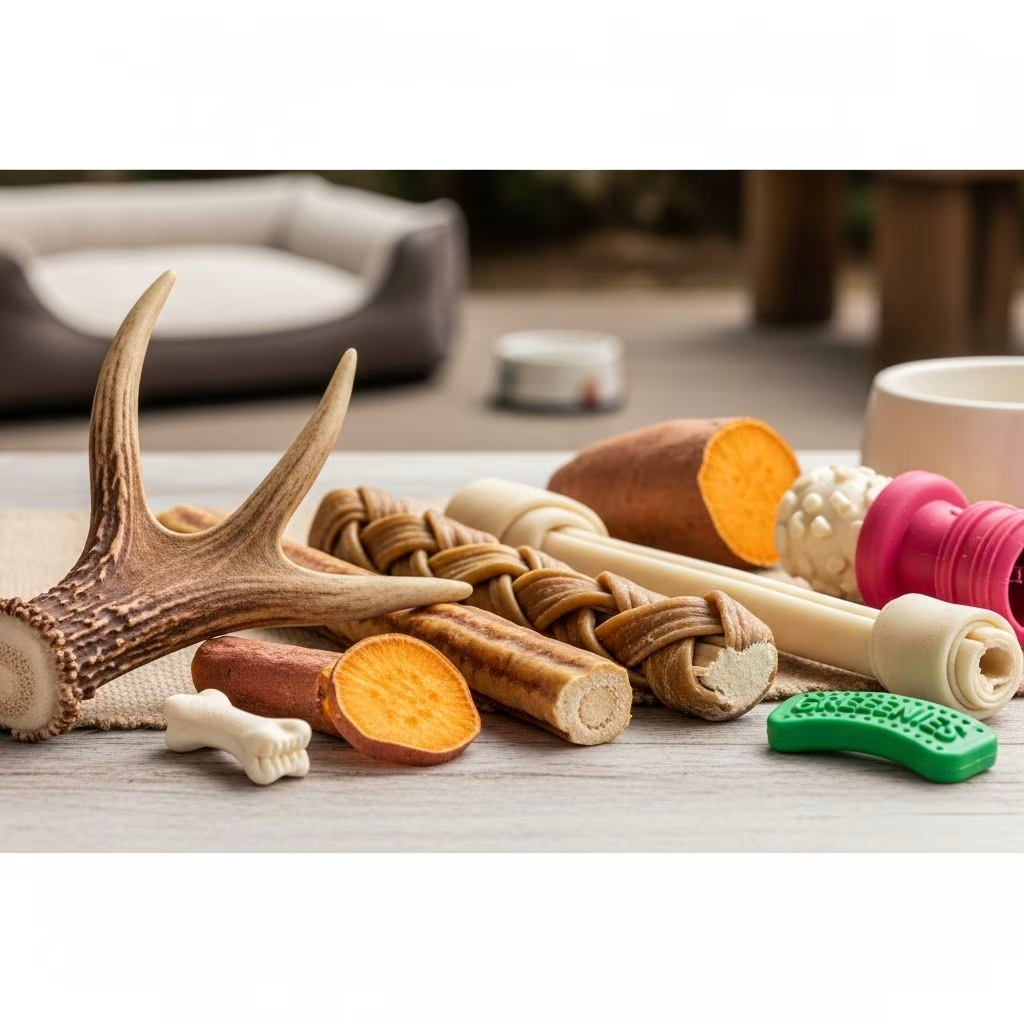
Rawhide chews have long been popular for satisfying a dog’s natural chewing instinct, but concerns over digestibility, choking risks, and chemical contaminants have prompted many pet owners to seek better options. This guide explores reliable alternatives that prioritize safety, nutrition, and enjoyment, helping you choose chews that support your dog’s well-being without the drawbacks of traditional rawhide.
Understanding the Drawbacks of Traditional Rawhide
Rawhide originates from animal hides processed through chemicals to create a chewy texture. While it occupies dogs effectively, it often expands in the stomach, leading to potential blockages or digestive upset. Veterinary reports highlight cases of intestinal obstructions requiring surgery, especially in aggressive chewers. Additionally, manufacturing may introduce preservatives or salmonella risks if not properly treated. These issues make transitioning to digestible alternatives a wise choice for proactive pet care.
Switching isn’t about denying your dog fun—it’s about providing superior products. Modern alternatives mimic the satisfaction of rawhide while breaking down naturally in the digestive system, reducing hazards and often adding nutritional value like protein or vitamins.
Top Digestible Protein-Based Chews
Protein-rich chews from natural animal sources offer long-lasting engagement and health benefits. These options are highly palatable and fully digestible, making them ideal for daily use.
- Bully Sticks: Crafted from single-ingredient beef muscle, these sticks provide high protein without artificial additives. They soften as chewed, minimizing splinter risks, and suit puppies through seniors. Odor is minimal compared to other meat chews.
- Beef Tendons: Low-fat and collagen-packed, tendons promote joint health and gum massage. Their tough texture endures moderate chewers, digesting easily to avoid waste.
- Salmon Skins: Rolled or rolled into “bones,” these omega-rich rolls benefit skin and coat. Hypoallergenic for protein-sensitive dogs, though supervision prevents gulping.
Plant-Powered and Veggie Chews for All Dogs
For allergy-prone or weight-conscious pups, plant-based chews deliver crunch and flavor without meat. These low-calorie treats clean teeth via abrasion and supply fiber for gut regularity.
| Chew Type | Key Benefits | Best For | Duration |
|---|---|---|---|
| Sweet Potato Slices | Vitamins A & C, fiber | Small breeds, puppies | Short to medium |
| Carrot Sticks | Low-cal, beta-carotene | Weight management | Medium |
| Pegetables (Veggie Mix) | Breath freshening, gluten-free | Dental health | Short |
Dehydrated veggies like sweet potatoes are single-ingredient wonders, naturally sweet and hypoallergenic. Large carrots challenge bigger dogs, promoting dental scraping without calories piling up. Brands blending peas, potatoes, and carrots create dental-specific formulas that combat plaque.
Unique Long-Lasting Natural Chews
Some chews stand out for exceptional durability, perfect for power chewers needing extended occupation.
- Himalayan Yak Chews: Made from yak/cow milk, hardened with lime and salt, these become pliable then edible. Protein-rich and low-lactose, they entertain for hours.
- Deer/Elk Antlers: Mineral-packed (zinc, calcium), naturally shed antlers splinter less than bones. Split versions reduce tooth fracture risk; always size appropriately.
- Beef Cheeks: Air-dried hide alternatives with similar texture but full digestibility. No chemicals, just pure beef for safe gnawing.
Innovative No-Hide Plant-Based Solutions
Enterprising companies have developed rawhide mimics using rice flour, peanut butter, and enzymes for breakdown. These “No-Hide” chews look and feel familiar but digest completely, avoiding the expansion issues of rawhide. Plant-based “beef” versions cater to vegan-leaning owners, maintaining flavor through natural ingredients. Ideal for multi-dog homes, they reduce cleanup and vet bills.
Selecting the Right Chew for Your Dog’s Needs
Not all chews suit every pup. Consider breed, age, size, and chew style when shopping.
- Size Matching: Choose chews wider than your dog’s muzzle to prevent swallowing.
- Age Appropriateness: Softer options for teething pups; durable for adults.
- Health Factors: Low-fat for overweight dogs; novel proteins for allergies.
- Quality Indicators: Look for USA-sourced, single-ingredient labels, and third-party testing seals.
Aggressive chewers may overpower soft treats quickly, while dainty eaters need encouragement. Rotate varieties to prevent boredom and ensure balanced nutrition.
Supervision and Safety Protocols
No chew is risk-free—choking or tooth damage can occur. Always adhere to these practices:
- Observe initial sessions for 15-30 minutes.
- Remove when down to a 1-inch nub.
- Provide fresh water post-chew.
- Inspect for wear or sharpness.
- Consult vets for puppies under 6 months or seniors.
Monitor stools for undigested pieces, signaling poor digestibility. If issues arise, discontinue and seek professional advice.
Nutritional Advantages of Modern Chews
Beyond safety, alternatives boost health. Bully sticks deliver 20-30% protein; veggies add antioxidants; antlers supply minerals. These treats double as dental aids, scraping tartar via mechanical action. Studies from veterinary sources affirm reduced plaque in regular chewers, potentially lowering gum disease incidence.
For holistic care, pair chews with brushing and vet cleanings. Calorie counting prevents overfeeding—treats should comprise <10% daily intake.
Common Myths About Dog Chews Debunked
- Myth: All chews are interchangeable. Reality: Digestibility varies; rawhide alternatives excel here.
- Myth: Harder is always safer. Reality: Excessive hardness risks fractures.
- Myth: Supervision eliminates all risks. Reality: It mitigates but doesn’t erase; quality matters most.
Frequently Asked Questions (FAQs)
Are bully sticks safe for daily use?
Yes, in moderation (2-3 times weekly), as they’re digestible and nutrient-dense. Limit to avoid excess protein.
Can puppies have antlers?
Wait until adult teeth emerge (6+ months); start with softer split antlers.
What if my dog ignores new chews?
Warm slightly or pair with play; persistence builds preference.
Are plant chews nutritionally complete?
No, they’re supplements—balance with kibble.
How do I store chews?
Cool, dry places; refrigerate opened packs.
Building a Chew Rotation Routine
Variety prevents selective eating and exposes dogs to nutrients broadly. Weekly plans might include:
- Monday: Bully stick for protein.
- Wednesday: Veggie chew for fiber.
- Friday: Yak chew for challenge.
Track engagement and digestion in a journal to refine choices. Budget-wise, bulk buys from reputable suppliers save without sacrificing quality.
Investing in safe chews fosters stronger bonds—happy chewing means relaxed pups and owners. With these options, your dog enjoys instinctual satisfaction backed by modern safety standards.
References
- The 9 Best Rawhide Alternatives for Your Dog — ElleVet Sciences. 2023. https://www.ellevetsciences.com/blog/rawhide-alternatives/
- Best Rawhide Alternatives — East Meadow Vet Clinic. 2023. https://www.eastmeadowvetclinic.com/best-rawhide-alternatives/
- Plant-Based No-Hide Dog Chews — Earth Animal. 2024. https://earthanimal.com/product/no-meat-no-hide-plant-based-wholesome-chews/



