

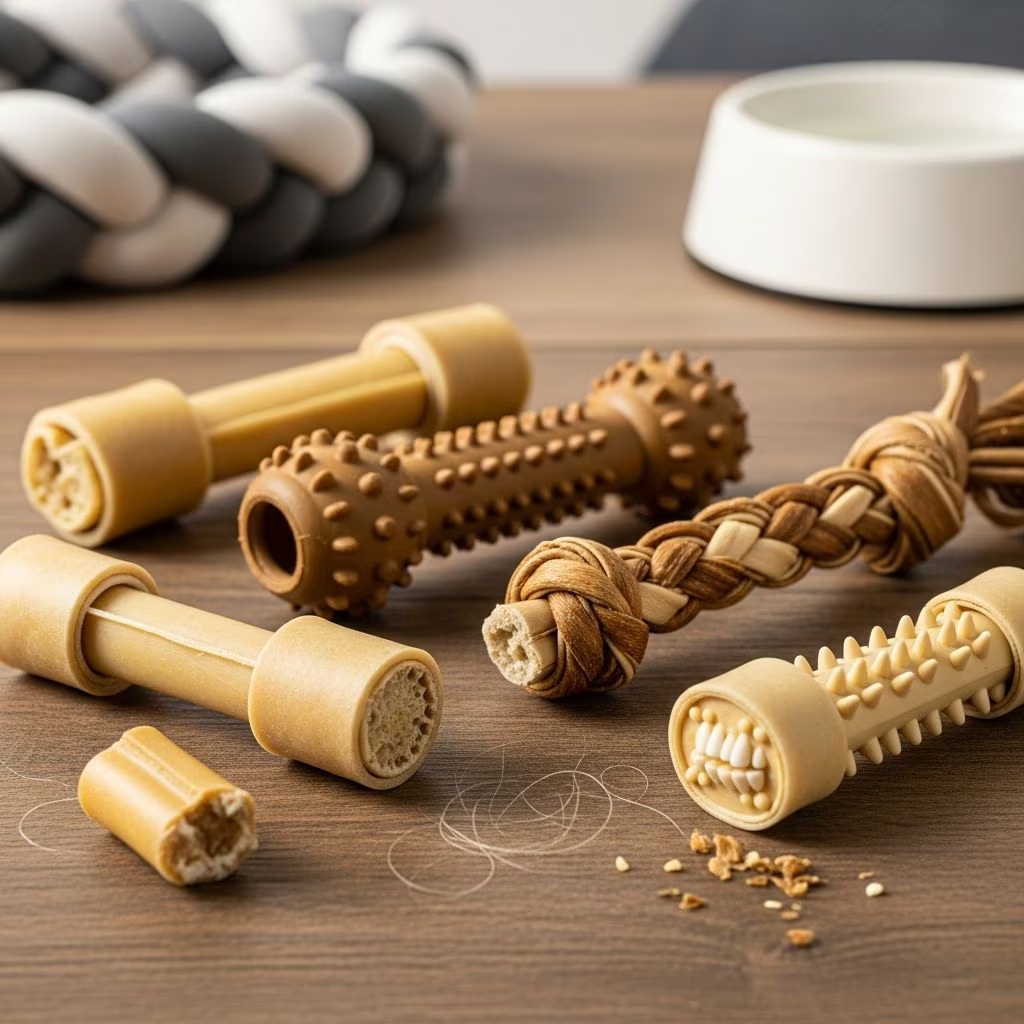
Commercially produced recreational chew bones provide dogs with engaging ways to satisfy their natural chewing instincts, supporting dental hygiene and mental well-being without the severe hazards of natural bones. These products are engineered for durability and digestibility, offering a safer alternative backed by veterinary recommendations.
Why Dogs Need Chew Items
Dogs chew for various reasons, from relieving teething discomfort in puppies to combating boredom in adults. Chewing promotes jaw strength, reduces plaque accumulation through mechanical action, and releases endorphins that calm anxious pets. Veterinary sources emphasize that appropriate chews can deter destructive behaviors like furniture gnawing.
- Enhances oral health by scraping tartar.
- Provides mental enrichment, reducing stress.
- Supports physical exercise for jaws and gums.
Without suitable outlets, dogs may develop compulsive habits or aggression from pent-up energy.
Health Advantages of Commercial Chews
Modern chew bones mimic natural ones but prioritize safety. They deliver nutrients like calcium and glucosamine while aiding digestion. Studies show regular chewing correlates with lower incidences of gum disease and cleaner teeth in dogs.
| Benefit | Description | Evidence |
|---|---|---|
| Dental Cleaning | Reduces plaque by up to 90% in some trials. | Laboratory dog studies on specific chews. |
| Nutritional Boost | Supplies minerals from approved sources. | Raw-inspired formulations. |
| Behavioral Aid | Prevents unwanted chewing on household items. | Veterinary clinic observations. |
These advantages make commercial options preferable for routine use.
Recognizing the Risks Involved
Even commercial chews carry potential downsides if mismatched to a dog’s size or chewing style. Primary concerns include tooth damage from overly hard products and digestive issues from rapid consumption. The U.S. FDA highlights risks like obstructions and infections from improper chews.
- Dental Fractures: Hard items can crack teeth, especially in senior dogs.
- Choking Hazards: Gulpers may swallow large pieces.
- GI Blockages: Undigested fragments cause constipation or emergencies.
- Bacterial Exposure: Poorly processed chews harbor pathogens.
Vets advise supervision to mitigate these issues.
Ideal Features in Chew Bones
Select chews with flexibility to avoid fractures, edibility for safe passage, and natural flavors dogs love. Look for products tested for contaminants and sized appropriately—small for tiny breeds, larger for big dogs. Reputable brands use high-quality ingredients without artificial additives.
Key indicators of quality:
- Veterinarian-approved hardness scale.
- Digestible within hours.
- Free from salmonella or E. coli.
Popular Types of Chew Bones Reviewed
Compressed Rawhide Alternatives
These are molded from beef protein, digesting faster than traditional rawhide. They satisfy long chewing sessions without swelling in the stomach, ideal for moderate chewers.
Vegetable-Based Options
Made from sweet potato or pumpkin, these appeal to dogs with allergies. They soften quickly, minimizing injury risk while providing fiber for gut health.
Antler and Horn Imitations
Synthetic versions replicate deer antlers’ texture but splinter less. Suitable for power chewers, they last weeks with proper monitoring.
Single-Ingredient Meaty Chews
Freeze-dried liver or fish skins offer protein bursts. They break down naturally, reducing blockage chances.
| Type | Best For | Duration | Safety Rating |
|---|---|---|---|
| Compressed Protein | Moderate chewers | 1-2 weeks | High |
| Veggie Chews | Allergy-prone | Days | Very High |
| Synthetic Antler | Aggressive chewers | Weeks | Medium-High |
| Meaty Strips | Puppies/Seniors | Hours-Days | High |
Matching Chews to Your Dog’s Profile
Consider breed, age, and habits. brachycephalic breeds like Bulldogs need softer options to avoid airway issues. Puppies require non-choking sizes, while seniors benefit from gentle, joint-supporting formulas.
- Puppies: Soft, small pieces for teething.
- Adults: Durable for daily use.
- Seniors: Low-calorie, easy-digest.
- Power Chewers: Reinforced synthetics.
Consult your vet for personalized picks, especially post-dental work.
Supervision and Safe Usage Guidelines
Always watch chewing sessions, removing fragments smaller than a tennis ball for medium dogs. Limit to 1-2 hours daily to prevent wear. Store in cool, dry places to maintain integrity.
- Assess dog’s chewing intensity first.
- Introduce new chews gradually.
- Discard if splintered or malodorous.
- Pair with water access.
Common Myths About Dog Chews
Myth: All natural bones are safe. Reality: They often splinter, per FDA warnings. Myth: Harder is better for teeth. Reality: Excessive hardness causes fractures. Myth: Rawhide is always dangerous. Reality: Modern compressed versions are safer.
Enhancing Chew Benefits with Dental Care
Combine chews with brushing and professional cleanings for optimal results. Add dental rinses for comprehensive protection against calculus.
Frequently Asked Questions
Can all dogs have chew bones?
No, dogs with dental issues or gulping tendencies should avoid them; consult a vet.
How long should a chew session last?
30-60 minutes, supervised, to prevent over-chewing.
Are vegetable chews nutritious?
Yes, they offer fiber and vitamins without meat allergens.
What if my dog swallows a large piece?
Monitor for vomiting or lethargy; seek emergency care if needed.
Do chews replace professional dental care?
No, they supplement but don’t eliminate vet visits.
References
- Should I allow my dog to chew bones? | Huntsville Vets — Whitesburg Animal Hospital. 2023-06-16. https://www.whitesburganimalhospital.com/site/blog/2023/06/16/dog-bone-safety
- Are bones safe for dogs? – Picayune Veterinary Clinic — Picayune Veterinary Clinic. 2024-02-29. https://www.picayuneveterinaryclinic.com/site/blog/2024/02/29/bones-safe-dogs
- The Benefits and Risks of Chew Treats — Today’s Veterinary Practice. 2024-12 (Updated). https://todaysveterinarypractice.com/nutrition/the-benefits-and-risks-of-chew-treats/
- Dog Bone Safety: What You Need to Know — Zoetis Petcare. N/A. https://www.zoetispetcare.com/blog/article/dog-bone-safety
- Functional significance and welfare implications of chewing in dogs — PMC (NCBI). N/A. https://pmc.ncbi.nlm.nih.gov/articles/PMC11980702/
- No Bones About It: Why Chewing Bones is Bad for Dogs’ Teeth — Bethel Pet Hospital. N/A. https://www.bethelpethospital.com/blog/no-bones-about-it-why-chewing-bones-is-bad-for-dogs-teeth-bethel-pet-hospital



