

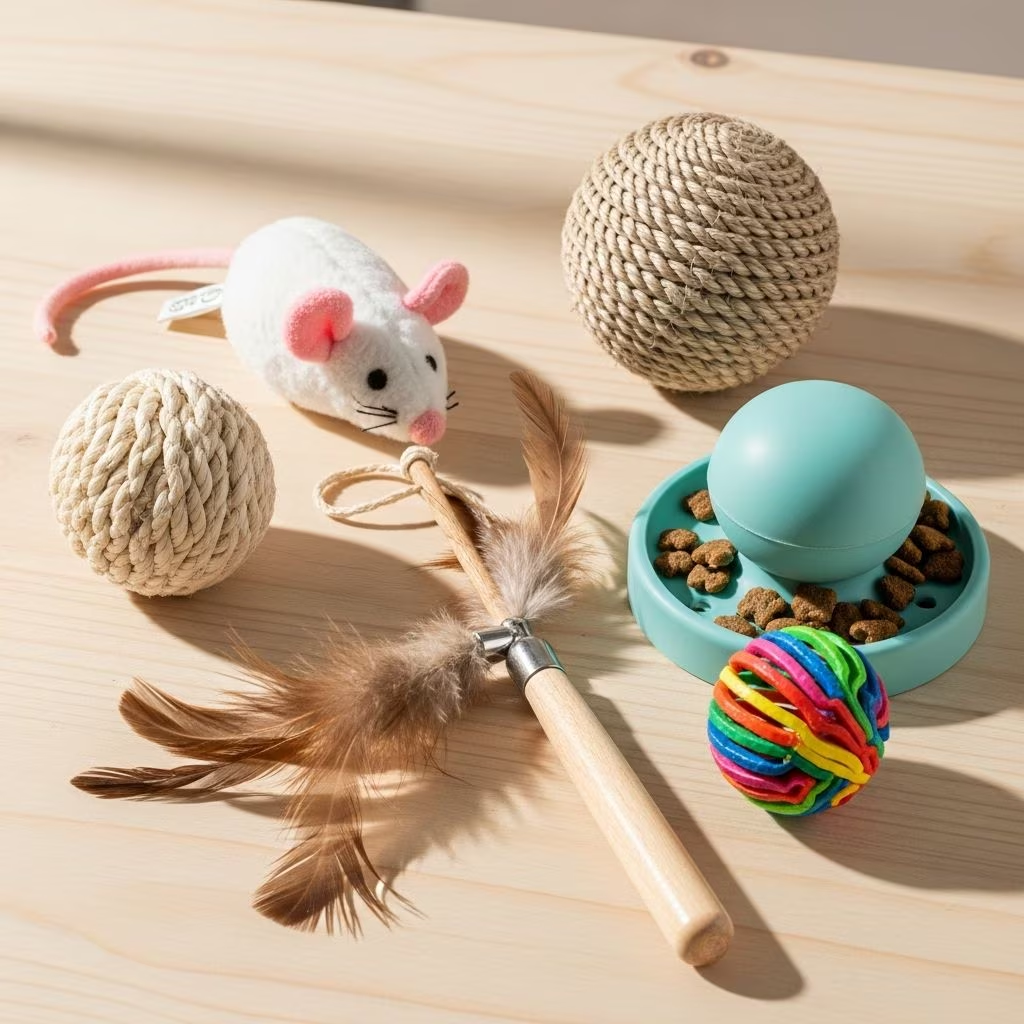
Providing your cat with engaging play options is vital for their physical health, mental stimulation, and emotional well-being. However, not all toys are created equal—many pose serious risks like choking, ingestion, or toxicity. This guide outlines how to choose safe cat toys that promote joyful activity without endangering your pet. Drawing from veterinary recommendations, we’ll cover material safety, hazard identification, toy categories, and best practices for long-term use.
Why Toy Safety Matters for Cats
Cats are natural hunters with instincts driving them toward small, fast-moving objects. Unfortunately, household items like rubber bands or strings often attract them most, leading to potential emergencies such as intestinal blockages or perforations. Veterinary clinics emphasize that selecting toys free from small detachable parts reduces these risks significantly. Safe play supports exercise, reduces boredom-related behaviors like excessive scratching, and strengthens the bond between you and your cat.
According to animal welfare organizations, unsupervised access to unsafe toys contributes to thousands of pet incidents annually. Prioritizing durability and non-toxicity ensures playtime remains a positive experience.
Key Materials to Seek in Cat Toys
Opt for toys crafted from pet-safe, non-toxic materials to prevent chemical exposure or allergic reactions. Look for labels indicating absence of lead, phthalates, or harmful dyes—similar to standards for children’s toys under age three.
- Pet-grade plastics and rubbers: Durable, BPA-free options that withstand chewing without breaking into swallowable pieces.
- Natural fabrics: Cotton or wool blends, machine-washable for hygiene.
- Solid wood or bamboo: For scratching posts or wands, treated without toxic preservatives.
- Silicone: Flexible, non-porous material ideal for chew toys.
Avoid synthetic stuffings like polystyrene beads or nutshells, which can cause choking if exposed. Always verify manufacturer claims through trusted pet brands.
Common Hazards and How to Avoid Them
Many toys seem harmless but harbor dangers. Cats’ powerful jaws and sharp teeth can dismantle flimsy items quickly.
| Hazard Type | Examples | Risks | Prevention |
|---|---|---|---|
| Small Parts | Plastic eyes, bells, buttons | Choking, obstruction | Remove before play or choose seamless designs |
| Linear Items | String, ribbon, yarn, floss | Ingestion, surgical linear foreign body | Supervise only; store away |
| Sharp Edges | Damaged plastic balls, worn wands | Mouth injuries, cuts | Inspect weekly; discard damaged toys |
| Toxic Fillings | Beads, chemical dyes | Poisoning, GI upset | Select child-safe labeled items |
Household substitutes like paper clips or elastic bands are particularly risky—cat-proof your home by securing them out of reach.
Top Categories of Safe Cat Toys
Interactive and Wand Toys
These mimic prey, encouraging pouncing and chasing. Fishing pole-style wands with sturdy fabric streamers (not strings) provide supervised fun. Remote-controlled mice or laser pointers stimulate without ingestion risks, but avoid direct laser eye exposure.
- Durable nylon wands for batting practice.
- Batteryless spinners that move with paw swipes.
Chew and Crunch Toys
Cats love ‘killing’ crunchy items. Choose solid rubber or infused catnip options sized larger than their mouth to prevent swallowing.
Plush and Stuffed Companions
Reinforced seams prevent stuffing escape. Opt for minimalistic designs without glued-on features. Machine-washable models maintain cleanliness.
Catnip-Infused Options
High-quality, organic catnip toys spark frenzy safely if durable. Monitor for over-stimulation in sensitive cats.
DIY and Household Safe Bets
Budget-friendly choices like cardboard boxes, crinkly paper wads, or empty toilet rolls offer hours of entertainment. Ping-pong balls in a safe tub prevent loss under furniture.
Age-Appropriate Toy Selection
Kittens need soft, sensory toys like rattly balls or soft pom-poms to develop coordination—always supervised to avoid sharp exposures. Adults benefit from puzzle feeders dispensing treats, promoting mental acuity. Seniors prefer gentle rockers or lightweight plush for low-impact play.
- Kittens (under 6 months): No small parts; focus on texture exploration.
- Adults: High-energy chasers and climbers.
- Seniors: Soft, easy-grasp items.
Supervision and Maintenance Protocols
Never leave cats alone with potential-risk toys like wands or battery-operated gadgets. Rotate toys weekly to maintain novelty and inspect for wear: frayed edges, loose threads, or odor signal replacement time.
Hygiene is crucial—wash plush toys regularly and disinfect hard surfaces. In multi-pet homes, separate play sessions prevent resource guarding.
Signs of Toy-Related Issues and What to Do
Watch for vomiting, lethargy, diarrhea, or straining—these indicate ingestion problems. Contact your vet immediately if suspected; early intervention prevents surgery. Annual check-ups can catch chronic issues from repeated exposures.
FAQs on Safe Cat Toys
Are feather toys safe for cats?
They can be if feathers are securely attached and high-quality; loose ones risk ingestion. Trim or avoid if your cat chews aggressively.
Can I use human baby toys for my cat?
Yes, if labeled safe for under-3s, free of small parts and toxins—but prioritize cat-specific for durability.
How often should I replace cat toys?
Inspect weekly; replace any showing damage to prevent accidents.
Is catnip safe for all cats?
Generally yes, but some experience temporary hyperactivity or apathy. Introduce gradually.
What if my cat ignores store-bought toys?
Try DIY options like boxes or custom puzzles—cats often prefer novelty and scent over expense.
Building a Safe Play Environment
Designate a play zone with stable scratching furniture, no dangling cords, and ample space. Combine toys with environmental enrichment like window perches for bird-watching. This holistic approach minimizes risks while maximizing joy.
References
- Choosing the Right Cat Toys: A Guide to Safe, Fun Play — Country Grove Veterinary Clinic. 2025-05-01. https://countrygrovevet.ca/2025/05/01/choosing-the-right-cat-toys-a-guide-to-safe-fun-play/
- How to Prioritize Safety When Choosing Cat Toys — Dr. Elsey’s. N/A. https://drelseys.com/how-to-prioritize-safety-when-choosing-cat-toys/
- Are Cat Toys Safe? Unveiling the Secrets Behind Feline Fun — Leo’s Paw. N/A. https://leospaw.com/blogs/help-advice/are-cat-toys-safe-unveiling-the-secrets-behind-feline-fun
- Cat Toys and Their Potential Dangers — RSPCA Pet Insurance. N/A. https://www.rspcapetinsurance.org.au/pet-care/cat-care/cat-toys-and-their-potential-dangers
- Safe Cat Toys and How to Use Them — Mobile SPCA. 2018-06. https://www.mobilespca.org/wp-content/uploads/2018/06/Toys.pdf
- Safe Toys and Gifts — Cornell University College of Veterinary Medicine. N/A. https://www.vet.cornell.edu/departments-centers-and-institutes/cornell-feline-health-center/health-information/feline-health-topics/safe-toys-and-gifts



