Safe Cat Restraint: Mastering Proper Scruffing Techniques
Learn the correct way to safely restrain your cat using proper scruffing methods and alternatives.
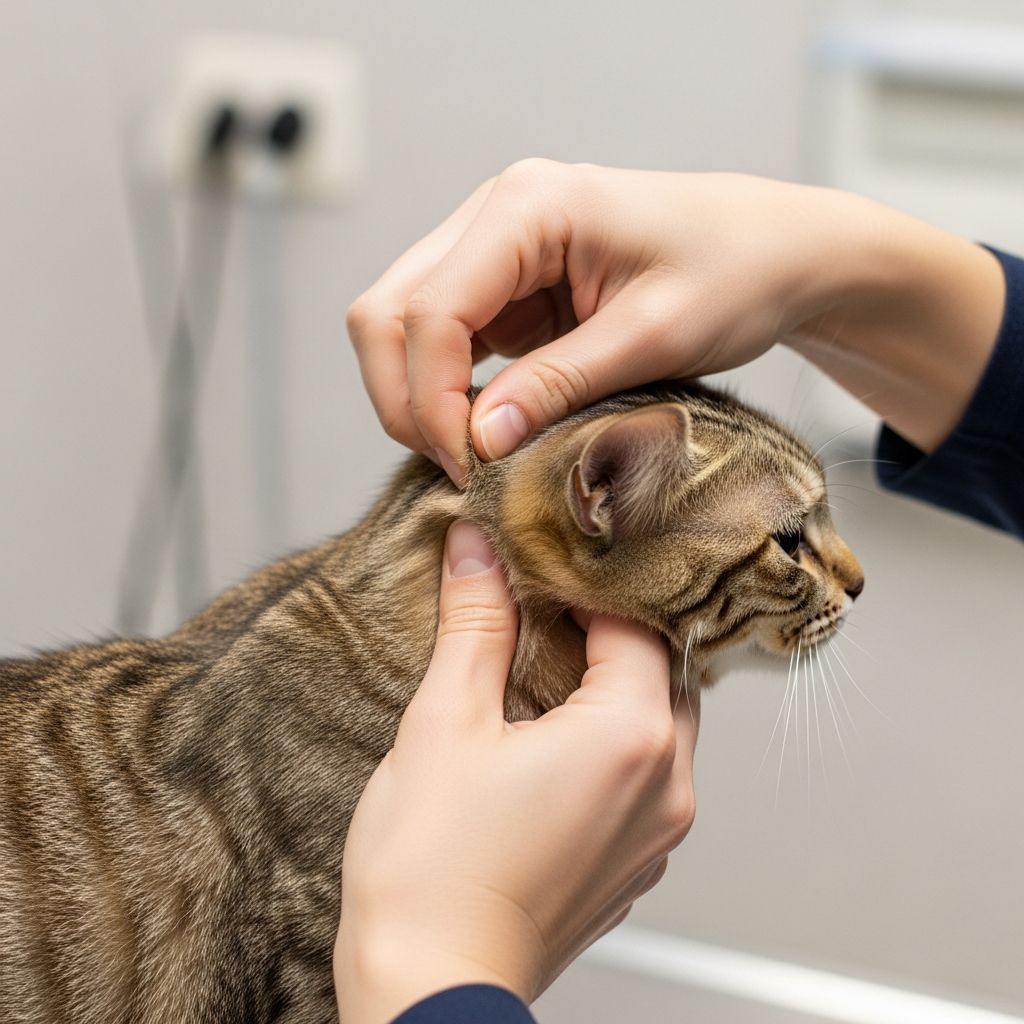
Cat restraint is an essential skill for pet owners and veterinary professionals alike. Whether you need to administer medication, perform grooming, or transport your feline companion, understanding how to safely and humanely restrain a cat is crucial for both the animal’s wellbeing and your own safety. One of the most commonly discussed restraint methods is scruffing, though this technique requires proper knowledge and careful execution to avoid causing discomfort or injury.
Understanding the Biological Basis of Cat Scruffing
Scruffing derives its effectiveness from feline maternal instincts that develop early in a cat’s life. When mother cats transport their young kittens, they instinctively grasp the loose skin at the back of the neck, causing the kitten’s body to go naturally limp. This biological response, known as the “cat’s natural surrender reflex,” is deeply ingrained in feline behavior and serves as the foundation for the scruffing technique used in handling adult cats.
The mother cat uses this same scruffing mechanism not only for transport but also as a disciplinary tool, reinforcing hierarchy and establishing boundaries within the litter. Understanding this natural instinct helps explain why many cats respond predictably to proper scruffing, though individual reactions can vary based on personality, prior experiences, and temperament.
Anatomical Considerations for Safe Scruffing
Proper scruffing technique requires a solid understanding of feline anatomy to prevent inadvertent injury. The location where you apply scruffing pressure is critically important for your cat’s safety and comfort. Veterinary professionals emphasize that scruffing should occur between the ears and at the top of the head, not at the back of the neck where many people mistakenly apply pressure.
When scruffing is applied too low on the neck, directly at the back of the head, you risk restricting the cat’s trachea and making breathing difficult. The back of the neck contains vulnerable structures including the windpipe, and applying pressure in this area can cause discomfort and compromise respiratory function. The correct scruffing location targets the area around the cat’s skull, which is harder and contains no vulnerable structures that can be injured by gentle pressure.
The loose skin in the upper cervical region has significantly fewer nerve endings compared to other areas of the neck, making it an appropriate location for restraint without causing pain when done correctly. This distinction between safe and unsafe scruffing locations cannot be overstated, as improper technique can transform a helpful restraint method into a potentially harmful practice.
Step-by-Step Guide to Proper Scruffing Technique
Executing a proper scruff requires careful attention to hand placement, grip pressure, and body positioning. Follow these essential steps to restrain your cat safely and effectively:
- Locate the correct position: Position your hand between your cat’s ears, at the top of their head where the skull is most prominent. This area is identified by ensuring both ears move slightly backward when you apply gentle pressure.
- Gather the skin: Use your thumb and fingers to pinch and gather the loose skin in this area. Create a firm but gentle grip using your thumb and knuckle rather than just your fingertips, as this provides better control and more even pressure distribution.
- Pull upward with the hand: As you establish your grip, gently pull all the fur and skin behind your hand upward to create a full scruff. This ensures you’re engaging enough tissue to provide effective restraint without pinpointing pressure on any single area.
- Watch for ear positioning: The ears should come together slightly when you’ve achieved a proper scruff. If the ears are not moving together, you haven’t positioned your hand high enough on the head, and you should adjust your grip upward.
- Support the body: If you need to lift your cat while scruffing, never support their weight by the scruff alone. Instead, use your scruff grip to relax and position your cat, while your other hand or arm supports their hindquarters and body weight.
- Maintain gentle control: Keep your grip firm enough to maintain control but never forcefully squeeze or apply excessive pressure. A proper scruff should result in your cat becoming calm and compliant without struggling.
Duration and Application Limitations
Scruffing is designed as a short-term restraint technique for transitioning your cat from one location to another or briefly positioning them for examination or treatment. It is not intended to be maintained for extended periods. Veterinary professionals recommend using scruffing to move your cat from a carrier to an examination table, out of a confined space, or into a position where additional handling can occur, but the restraint should be released once your cat is safely positioned and calm.
Extended scruffing can cause unnecessary stress and discomfort for your feline companion. Once you’ve successfully repositioned your cat and they are lying calmly, particularly on their side for examination, you can release the scruff and transition to alternative handling methods that provide ongoing support and security without active restraint pressure.
Assessment and Behavioral Indicators
Your cat’s response to scruffing provides valuable information about their temperament and how they will respond to other handling procedures. Cats that accept scruffing well and relax into the restraint typically indicate a more cooperative disposition and may respond favorably to other necessary handling and treatments.
Conversely, if your cat struggles significantly against scruffing or shows signs of distress, this signals that they may require alternative restraint techniques for their comfort and safety. Some cats simply do not tolerate scruffing well due to past experiences, genetic temperament, or anxiety, and attempting to force this technique on an unwilling cat creates unnecessary stress and may damage your relationship with your pet.
Practical Restraint Alternatives to Scruffing
While scruffing can be effective, multiple humane alternatives exist that many cats find less stressful and that veterinary professionals increasingly recommend:
Ring Grip Restraint
The ring grip technique involves forming a gentle, loose circular grip just below your cat’s chin with your thumb and fingers, without applying pressure to the trachea. Position your body behind your cat to prevent backward movement. This method provides restraint while allowing head scratches and positive reinforcement, creating a less stressful experience for cats that find traditional scruffing uncomfortable.
Three-Finger Hold Method
Rather than scruffing, rest your three middle fingers on top of your cat’s head while placing your pinkie and thumb gently under each ear. This technique provides control and restraint while allowing you to redirect your hand into a scruff if necessary. Many cats respond well to this approach, particularly when combined with gentle head scratching to create positive associations and increase their comfort level.
Gentle Cradling Support
Instead of restraining, support your cat’s body by cradling them under the chest and hindquarters, providing security and comfort without compression. This approach works best for cats that are naturally cooperative and respond well to gentle handling. Allow your cat to remain in familiar environments and positions when possible, as comfort and familiarity reduce resistance.
Incentive-Based Handling
Using treats and positive reinforcement, gently encourage your cat toward you rather than forcing contact. This method takes more time but builds trust and positive associations with handling. Many cats respond better to being lured into cooperative behavior than to being physically restrained, making this approach valuable for cats with anxiety or past negative experiences.
Professional Recommendations and Best Practices
Veterinary professionals and feline behavior specialists increasingly emphasize that scruffing should be used judiciously and not as the default handling method for all situations. Current best practices recommend attempting less restrictive techniques first and reserving scruffing for situations where a cat genuinely requires more intensive restraint for their safety or for necessary medical procedures.
When scruffing is deemed necessary, professionals stress using it sparingly and for the shortest duration possible. The goal should always be to transition from scruffing to alternative restraint methods as soon as the cat is positioned safely. This approach respects the cat’s emotional wellbeing while achieving the necessary restraint goals.
Common Mistakes to Avoid
Several common errors undermine effective and safe scruffing:
- Scruffing too low: Applying pressure at the back of the neck rather than between the ears and on top of the head restricts breathing and causes discomfort.
- Using only fingertips: Gripping with only two or three fingers rather than using your thumb and knuckle provides inadequate control and distributes pressure unevenly.
- Lifting entirely by the scruff: Supporting your cat’s full body weight using only the scruff causes pain and strain. Always support the hindquarters with your other hand or arm.
- Prolonged restraint: Maintaining scruffing pressure for extended periods causes unnecessary stress. Release scruffing once your cat is positioned and calm.
- Ignoring behavioral signals: Proceeding with scruffing when a cat shows significant resistance or distress creates negative associations and increases anxiety around handling.
- Rough or forceful application: Jerky movements or excessive pressure transforms a humane technique into a potentially harmful restraint method.
When Professional Help Is Needed
If your cat consistently resists handling, becomes aggressive during restraint attempts, or shows signs of extreme anxiety, consult with a veterinary behaviorist or your veterinarian for professional guidance. Some cats may have past trauma, medical conditions causing pain, or temperament traits that make them unsuitable candidates for traditional scruffing. Professional handlers can assess your individual cat’s needs and recommend personalized approaches that work best for your specific animal.
During veterinary visits, inform your veterinarian about your cat’s response to scruffing and any handling techniques that work particularly well. This information helps veterinary teams adjust their approach to minimize stress and maintain your cat’s wellbeing during necessary procedures.
Building Positive Handling Experiences
Regardless of which restraint technique you employ, building positive associations with handling significantly improves your cat’s cooperation and reduces stress. Reward calm behavior with treats, gentle praise, and head scratches. Keep initial handling sessions brief and gradually increase duration as your cat becomes more comfortable. Maintain a calm, confident demeanor, as cats sense tension and anxiety from their handlers.
Regular, gentle handling from kittenhood onward helps cats become accustomed to human touch and restraint. Cats that experience positive handling throughout their lives typically respond more cooperatively to necessary restraint and veterinary care as adults.
References
- How To Scruff A Cat — Dr. Christianne Schelling, YouTube. 2024. https://www.youtube.com/watch?v=FWFKl_rSpM8
- LEARN HOW TO PROPERLY RESTRAIN OR SCRUFF A CAT! — Veterinary Team Training, YouTube. 2024. https://www.youtube.com/watch?v=37MbD-fB2v0
- Feline Restraint and Handling — Clinical Medicine 1, University of Guelph. 2024. https://books.lib.uoguelph.ca/vetm3430/chapter/feline-restraint-and-handling/
- The Right Way to Handle Cats: Understanding Scruffing — Oreate AI. 2024. https://www.oreateai.com/blog/the-right-way-to-handle-cats-understanding-scruffing/
- Restraining Cats the Right Way – An Alternative to Scruffing — PetMD. 2013. https://www.petmd.com/blogs/fullyvetted/2013/oct/restraining-cats-the-right-way-not-scruffing-30997
Similar Articles







Read full bio of Sneha Tete