

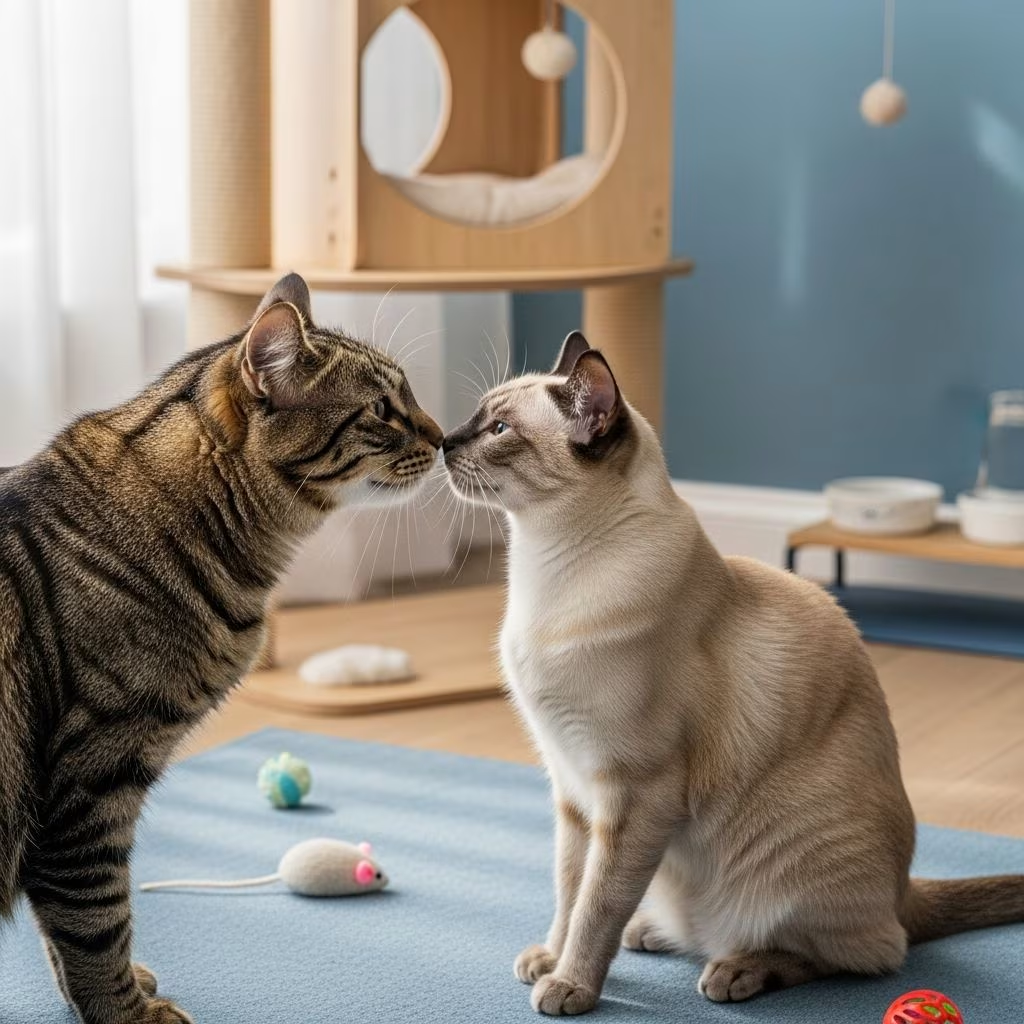
Arranging a playdate for your cat can seem like a fun way to combat boredom and encourage exercise, but it’s not always straightforward due to their territorial nature. While some cats thrive on social interaction, others may experience high stress in unfamiliar settings, potentially leading to fights or escapes. This guide outlines key considerations, preparation steps, and safety measures to help you decide if a playdate is suitable and how to execute it successfully.
Understanding Feline Social Dynamics
Cats are often solitary hunters by instinct, differing from pack-oriented dogs. In multi-cat households, play might occur naturally among familiar companions, but introducing strangers requires caution. Playdates can provide mental stimulation and physical activity, yet they risk transmitting illnesses or sparking aggression if not managed properly. Assess your cat’s personality first: outgoing felines may enjoy brief encounters, while shy ones prefer solo play.
Health Prerequisites for Any Interaction
Before considering a playdate, prioritize health screenings. Both cats must receive recent veterinary clearance to confirm they are free from contagious diseases, parasites, or injuries. Core vaccinations, including those for feline leukemia and rabies, should be current, along with flea, tick, and worm preventatives. A sick cat could worsen during play, and pathogens spread easily via saliva, scratches, or shared spaces.
- Vaccination records: Verify rabies, FVRCP (feline viral rhinotracheitis, calicivirus, panleukopenia), and FeLV status.
- Parasite control: Administer monthly treatments 1-2 weeks prior.
- General exam: Rule out upper respiratory infections, diarrhea, or behavioral issues indicating stress vulnerability.
Consult your vet for personalized advice; they might recommend bloodwork for older cats.
Selecting the Ideal Venue
Neutral territory minimizes territorial disputes, as cats mark homes with pheromones and scents. Avoid your residence or the other cat’s—opt for a pet-free friend’s home, enclosed outdoor pen, or cat cafe with barriers. Ensure the space is escape-proof with no high ledges, open windows, or hiding spots leading outside. Ample room allows retreat, reducing confrontation risks.
| Venue Type | Pros | Cons | Safety Tips |
|---|---|---|---|
| Friend’s empty home | Indoor control, familiar to humans | May have residual pet scents | Clean thoroughly; block furniture gaps |
| Enclosed yard/pen | Natural exercise space | Weather dependent, escape risks | Secure fencing over 6ft; supervise constantly |
| Neutral room setup | Fully customizable | Limited space if small | Add vertical climbers, multiple exits |
Essential Supplies Checklist
Pack comprehensively to meet all needs without relying on the host. This prevents resource guarding over shared items. Start with basics and add enrichments for engagement.
- Transport carrier: Sturdy, ventilated, with familiar blanket inside.
- Litter setup: Portable pan with preferred litter; place in quiet corner.
- Hydration station: Collapsible bowls or fountain for fresh water.
- Calming aids: Pheromone diffusers (e.g., Feliway), collars, or treats.
- Interactive toys: Wand teasers, balls, laser pointers—bring multiples to avoid competition.
- First aid: Towels, gloves, styptic powder for claw injuries.
Trim nails short beforehand to lessen scratch severity.
Step-by-Step Introduction Process
Rush introductions heighten fear responses; proceed gradually over multiple sessions. Begin with scent swapping: exchange bedding or toys days ahead. On playdate day, release cats from carriers at opposite ends of the room, with handlers present. Allow self-paced approach—no forcing nose-to-nose contact.
- Pre-meet prep (1-3 days prior): Swap scents via fabrics rubbed on cheeks.
- Arrival phase: Let each cat explore separately for 10 minutes.
- Visual intro: Open carriers across room; observe reactions.
- Supervised proximity: Encourage parallel play with toys; intervene at tension signs.
- End session: Separate after 15-20 minutes initially, extending if harmonious.
Repeat weekly with the same partner for familiarity.
Decoding Cat Body Language
Supervision is non-negotiable—watch for subtle cues indicating escalating stress. Positive signals include relaxed ears, slow blinks, upright tails, and loose play bows. Warning signs demand immediate separation: flattened ears, dilated pupils, thrashing tail, hissing, swatting, or arched backs.
| Positive Signs | Neutral/Curious | Stress/Aggression |
|---|---|---|
| Play bows, chirps | Ears perked, slow tail swish | Hissing, growling, fur puffed |
| Slow blinks, rubbing | Stiff posture, staring | Swatting, biting, fleeing |
| Chasing with relaxed body | Whiskers forward | Dilated pupils, crouched |
If aggression emerges, redirect with toys or treats; never punish, as it increases fear.
Potential Drawbacks and When to Skip
Not all cats benefit from playdates. Indoor-only or elderly felines may find travel overwhelming, triggering litter avoidance or appetite loss post-event. Risks include injury from fights, disease exposure despite precautions, or worsened anxiety in territorial cats. Vets generally advise against routine playdates for singles, favoring puzzle toys or human interaction instead.
- High-risk cats: History of aggression, FIV/FeLV positive, recent illness.
- Alternatives: Window perches for bird-watching, automated toys, agility tunnels at home.
Post-Playdate Care and Monitoring
Monitor for 48 hours after: check for wounds, lethargy, hiding, or elimination issues. Offer quiet recovery space with familiar items. Successful sessions build confidence; unsuccessful ones warrant pausing future attempts. Track patterns in a journal for vet insights.
Frequently Asked Questions
Can indoor cats have playdates?
Yes, but limit to trusted, vaccinated partners in controlled settings. Indoor cats face higher escape or stress risks outdoors.
How long should the first playdate last?
15-20 minutes maximum, extending only if both cats remain relaxed.
What if my cat hisses during a playdate?
Separate immediately, offer breaks, and try scent swaps before retrying. Persistent issues mean incompatibility.
Are playdates good for kitten socialization?
Absolutely, during the 2-7 week window, but always supervised and vetted.
Can playdates prevent boredom in single cats?
They can help, but enrich the home environment first with vertical spaces and solo toys.
Building Lasting Feline Friendships
Consistent, low-pressure meetups with compatible cats can foster bonds, mimicking natural social groups. Pair similar ages, energy levels, and neuter statuses for best results. Always prioritize welfare over forced fun—happy cats engage willingly. With preparation, occasional playdates enrich lives without undue risk.
References
- 6 Steps to Set Up the Perfect Playdate for Your Cat — LoveToKnow. 2023. https://www.lovetoknow.com/life/lifestyle/set-up-perfect-cat-playdate
- Purrfect Play Dates: A Guide for Cat Socialization — Maxime. 2024. https://maxime.asia/ph/ultimate-guide-pet-proofing-home/
- Are Cat Play Dates a Good Idea? — Repounce. 2024. https://repounce.com/blogs/news/are-cat-play-dates-a-good-idea
- Can My Cat Have a Playdate With Another Cat? — Catster. 2024. https://www.catster.com/ask-the-vet/can-my-cat-have-a-playdate-with-another-cat/
- Is it safe for my cat to have play dates with other cats I don’t know? — Dialavet. 2024. https://www.dialavet.com/vet-answers/cat-play-date-safety-20798
- How to Introduce Your Cats to Each Other in 5 Easy Steps — YourCatBackpack. 2023. https://yourcatbackpack.com/blogs/tips/how-to-introduce-your-cats-to-each-other-in-5-easy-steps



