

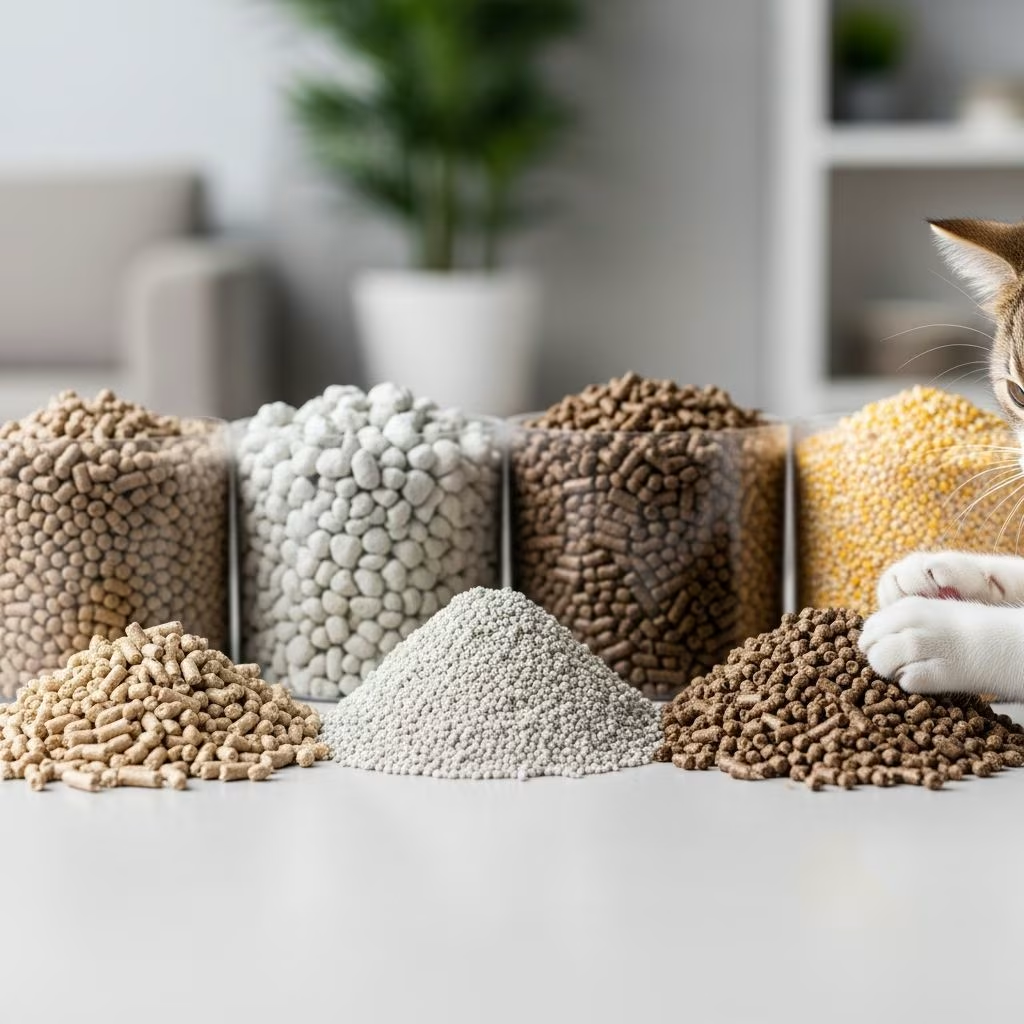
Cat owners increasingly seek litter options that avoid synthetic chemicals, silica dust, and artificial fragrances to protect their pets’ respiratory health and overall well-being. Natural litters crafted from renewable plant and wood sources provide effective clumping, odor neutralization, and biodegradability while minimizing health risks.
Why Switch to Non-Toxic Cat Litter?
Traditional clay-based litters often contain sodium bentonite, which expands upon contact with moisture and poses ingestion risks if cats lick their paws. Silica crystal litters, while absorbent, generate fine dust particles that can irritate lungs. Non-toxic alternatives use materials like grains, wood, and husks that are free from these concerns, offering safer profiles for kittens, seniors, and cats with sensitivities.
These litters also address environmental drawbacks of conventional products. Biodegradable formulas reduce landfill waste, as clay litters persist for centuries without breaking down. Many are lightweight, easing handling, and some are flushable, simplifying disposal.
Key Benefits of Natural Litters
- Health Protection: Low-dust compositions prevent respiratory issues; edible ingredients deter toxicity if ingested.
- Odor Management: Natural enzymes and absorbents trap ammonia without masking scents.
- Clumping Efficiency: Plant starches form solid scoops, reducing waste.
- Eco-Friendliness: Sourced sustainably, compostable, and renewable.
- Low Tracking: Fine textures stay in the box, keeping homes clean.
Top Natural Litter Materials and Their Properties
Diverse plant-based materials deliver tailored performance. Here’s a breakdown of leading types.
Wood-Based Litters
Pine and other sustainably sourced woods create soft pellets or granules that dehydrate waste effectively. They excel in natural deodorizing due to aromatic compounds, with minimal dust for sensitive cats. Ökocat Super Soft, for instance, clumps firmly and controls odors superbly, mimicking clay texture while being lighter. These are ideal for multi-cat homes, lasting longer per bag.
Grain and Seed Litters
Wheat, barley, and grass seeds form clay-like clumps using natural starches. Barley litters, award-winning for durability, resist breaking and eliminate 99% of dust, earning allergist approval. Grass litters offer ultra-soft grains, ranking high in clumping tests alongside clay. Corn variants like World’s Best provide granular texture with strong waste coating for odor lock-in.
Hemp and Nut Shell Litters
Hemp from pesticide-free farms absorbs 7x more than clay, decomposing rapidly for composting. Walnut shells, non-GMO and organic, deliver fine-particle clumping akin to sand, neutralizing odors affordably with low noticeable dust post-pour. Both prioritize sustainability.
Fiber and Husk Options
Coconut husks yield fibrous, sponge-like absorbency, soft on paws and lightweight. CatSpot Coconut excels in dehydration without sticking, recyclable packaging adding eco-value. Bamboo provides 5x absorption chemically free, lasting months per bag. Tofu litters from bean dregs clump instantly, some with health-monitoring particles.
Performance Comparison Table
| Litter Type | Clumping | Odor Control | Dust Level | Weight | Flushable |
|---|---|---|---|---|---|
| Wood (Pine) | Excellent | Superior (natural) | Low | Light | Often |
| Corn/Grain | Strong | Good (enzymes) | Medium-Low | Medium | Some |
| Hemp/Nut | Very Good | Outstanding | Low | Light | Compost |
| Coconut/Bamboo | Good (non-clump some) | High Absorbency | Very Low | Very Light | Some |
This table synthesizes testing data; wood and grains lead in clumping, while husks shine in lightness.
How to Transition Your Cat
Gradual mixing prevents rejection: start with 25% new litter, increasing over 1-2 weeks. Choose textures matching current litter—pellets for pellet users, granules for clay fans. Monitor for acceptance; soft options suit declawed cats.
Maintenance and Disposal Tips
Scoop daily; full changes weekly suffice due to efficiency. Flushable types check local septic rules—most plants are safe. Compost solids in pet-safe bins, avoiding kitchen use. Solar-produced eco-litters enhance green disposal.
Selecting the Right Litter for Your Needs
- Allergies/Respiratory: Dust-free grass or pine.
- Multi-Cat/Odor: Hemp or walnut for absorbency.
- Kittens/Seniors: Soft coconut or paper.
- Budget: Corn at $1.15/lb.
- Eco-Priority: Bamboo or nut shells.
Frequently Asked Questions (FAQs)
Are natural litters truly safer than clay?
Yes, they lack bentonite and silica, reducing inhalation and ingestion risks.
Do they control odors as well?
Many outperform clay via natural mechanisms, with top ratings in tests.
Can I flush them?
Select flushable varieties like corn or tofu, verifying plumbing compatibility.
How do cats adapt?
Most transition smoothly with gradual introduction, preferring familiar feels.
Are they cost-effective?
Lighter bags last longer; prices range $1-3/lb, competitive with premiums.
Non-toxic litters empower healthier feline lives through innovation in sustainable materials.
References
- 7 Non toxic cat litter options including Wheat FREE! — Happy Trails and Wag’n Tails. 2023. https://www.happytrailsandwagntails.com/non-toxic-cat-litter/
- 5 Best Natural Cat Litters of 2024 — Tuft + Paw. 2024. https://www.tuftandpaw.com/blogs/cat-guides/5-best-natural-cat-litters
- Organic Cat Litter: The Ultimate Guide — My Shi Chic. 2023. https://www.myshichic.com/blogs/cat-blog/organic-cat-litter-non-toxic-varieties
- Choosing the Best Natural Cat Litter — Only Natural Pet. 2024. https://www.onlynaturalpet.com/blogs/holistic-healthcare-library/choosing-the-best-natural-cat-litter
- The 7 best natural cat litters, tested and reviewed — Business Insider. 2024-02-17. https://www.businessinsider.com/guides/pets/best-natural-cat-litter
- Choosing Litter: Part Two – Comparison of Different Types — Pet Professional Guild. 2023. https://www.petprofessionalguild.com/pet-owners/pets-and-their-people/pets-and-their-people-blog/choosing-litter-part-two-comparison-of-different-types-of-cat-litter/
- Different Types of Cat Litter: Overview & Comparison — VCA Animal Hospitals. 2024. https://vcahospitals.com/pediatric/kitten/prep-supplies/different-types-of-cat-litter



