

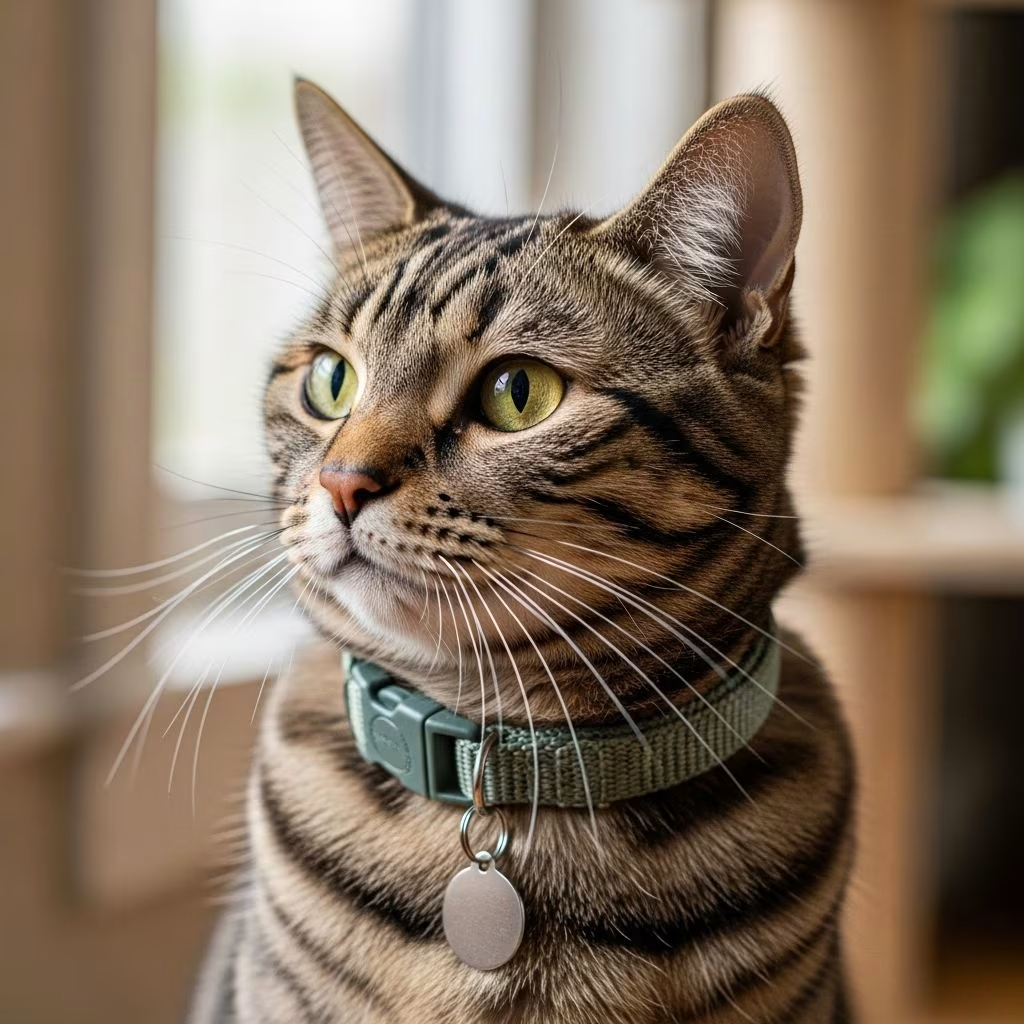
Choosing the right collar for your cat balances identification needs with critical safety considerations. Breakaway collars stand out as the preferred option, releasing under pressure to prevent strangulation or injury when caught on objects.
Understanding Collar Risks for Cats
Cats’ agile nature makes them prone to collar-related accidents. Unlike dogs, cats often climb, jump, and squeeze into tight spaces, increasing chances of collars snagging on fences, branches, or furniture. Without proper design, this can lead to choking, skin lacerations, or jaw injuries.
Studies highlight specific dangers: 42% of collar injuries stem from flea collars, 39% from elastic types, and 18% from fixed buckle models. Breakaway collars, however, show zero associated injuries, proving their effectiveness.
Why Breakaway Collars Are Essential
Breakaway collars feature a buckle that opens at a set pressure threshold, typically 2.5kg (5.5lbs) for adults or 1kg (2.2lbs) for kittens, allowing escape without harm. This mechanism activates if the cat snags on an obstacle but stays secure during normal play or grooming.
Common concerns include collars detaching too easily, but proper fitting and design minimize this. Pairing with a microchip provides permanent ID, as collars can be lost even with safety features.
Mastering the Perfect Collar Fit
A well-fitted collar is as crucial as its design. The standard rule: slide one to two fingers between the collar and neck. This ensures comfort, prevents slipping, and reduces snagging risks.
| Fit Issue | Risks | Solution |
|---|---|---|
| Too Tight | Choking, irritation, restricted breathing | Loosen to fit 1-2 fingers; check skin for rashes |
| Too Loose | Slips off easily, catches on objects | Tighten snugly against neck, not fur |
| Ideal Fit | Safe, comfortable, secure ID | 1-2 fingers rule; recheck weekly |
Recheck fit regularly, especially for growing kittens, as necks change size.
Types of Collars: Safe vs. Unsafe
- Breakaway (Recommended): Quick-release buckle for safety; ideal for outdoor cats.
- Elastic/Stretch: Flawed design; cats stretch to insert paws, leading to tangles and 39% of injuries. Avoid.
- Flea Collars: Often fixed; linked to 42% injuries. Use spot-on treatments instead.
- Fixed Buckle: No release; 18% injury rate. Not suitable for cats.
Opt for slim, lightweight designs to minimize bulk and snags.
Step-by-Step Collar Introduction
Cats may resist new collars, so gradual acclimation prevents stress:
- Let cat sniff and play with collar for days.
- Attach loosely indoors for short periods, rewarding calm behavior.
- Secure properly after acceptance; monitor first outings.
- Reintroduce if removed.
This builds tolerance, reducing rubbing or pawing that could loosen the fit.
Enhancing Visibility and Identification
Reflective collars boost nighttime safety. Include ID tags with phone number, or engrave/stitch details directly. Microchipping complements collars, scanning even if lost.
Avoid heavy attachments; lightweight tags suffice.
Special Considerations for Kittens and Calming Collars
Kittens need lighter breakaway thresholds (e.g., 1kg). For calming collars, ensure breakaway mechanism; fixed or elastic versions risk injury.
Maintenance and Inspection Routines
Weekly checks for wear, frays, or damage are vital. Replace immediately if compromised. Never use collars for tie-outs; opt for harnesses.
FAQs
Are breakaway collars reliable for active cats?
Yes, designed to release only under significant tension, not routine activity.
Should indoor cats wear collars?
Recommended for ID, as escapes happen. Breakaway ensures safety indoors too.
How often to replace a cat collar?
Every 6-12 months or sooner if worn.
Can flea collars be safe?
Rarely; prefer alternatives due to high injury rates.
What if my cat hates the collar?
Use gradual introduction; consult vet if persistent.
Combining Collars with Microchips for Total Protection
The optimal setup: breakaway collar with ID tag plus microchip. Collars aid immediate reunions; chips ensure lifelong ID.
References
- Are Cat Collars Safe? The Ultimate Guide — Supakit. 2023. https://supakit.co/blogs/cat-guides/cat-collars-safe
- Cats and Collars — FOUR PAWS International. 2023. https://www.four-paws.org/our-stories/publications-guides/cats-and-collars
- Breakaway Collars for Cats: Safety and Security — Animal Medical Center. 2022-06-15. https://www.amcny.org/blog/2022/06/15/breakaway-collars-for-cats-safety-and-security/
- Choosing a Cat Collar — Cats Protection. 2023. https://www.cats.org.uk/help-and-advice/getting-a-cat/choosing-a-cat-collar
- Should My Cat Wear A Collar? — Animal Emergency & Referral Center. 2023. https://aercmn.com/should-my-cat-wear-a-collar/



