

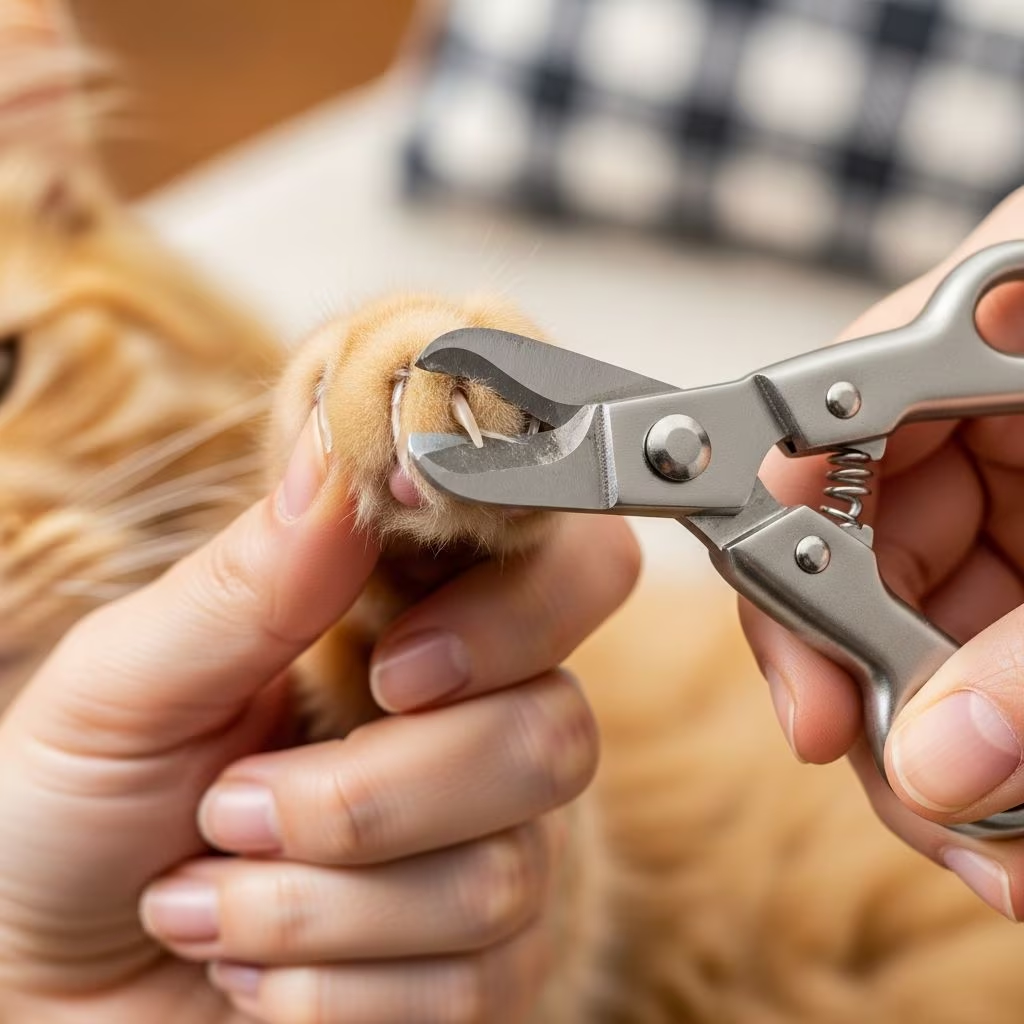
Trimming a cat’s claws is a vital grooming practice that balances household protection with your pet’s natural needs. Proper technique minimizes injury risks while supporting overall paw health, especially for indoor cats prone to overgrown nails.
Understanding Feline Claw Anatomy
Cat claws consist of a hard outer sheath covering a sensitive inner core called the quick, which contains blood vessels and nerves. The quick appears pink in light-clawed cats and is harder to see in dark ones. Cutting into it causes bleeding, pain, and potential infection. Claws grow continuously from the third phalanx bone, naturally shedding outer layers during scratching. Dewclaws on front paws, positioned higher up, require extra attention as they contact surfaces less and overgrow faster.
Benefits of Regular Claw Maintenance
Maintaining appropriate claw length offers multiple advantages for cats and owners alike.
- Household Protection: Shorter claws reduce damage to upholstery, carpets, and wood from scratching behaviors driven by instinct or boredom.
- Human and Pet Safety: Blunted claws lessen scratch severity during play, ideal for homes with children or multiple animals.
- Paw Health Prevention: Trimming averts ingrown claws that pierce paw pads, causing lameness, infections, or mobility issues, particularly in seniors or less active cats.
- Improved Mobility: Proper length supports natural walking, climbing, and grip without snagging on objects, reducing slip risks outdoors.
- Grooming Ease: Shorter claws prevent snags during brushing, simplifying overall care routines.
Potential Drawbacks and When to Skip Trimming
While beneficial, claw trimming isn’t always ideal. Outdoor cats rely on full-length claws for hunting, climbing trees, and defense against threats. Over-trimming impairs these abilities, increasing vulnerability. Stressful sessions can foster fear of handling, leading to resistance. If your cat shows extreme anxiety or you’re inexperienced, consult a vet to avoid accidental quick cuts.
| Aspect | Indoor Cats | Outdoor Cats |
|---|---|---|
| Recommended Frequency | Every 2-4 weeks | Less frequent or monitor only |
| Primary Benefits | Furniture safety, scratch reduction | Injury prevention from snags |
| Risks | Overgrowth into pads | Reduced defense capabilities |
| Alternatives | Scratching posts | Natural wear from terrain |
Essential Tools for Effective Trimming
Invest in quality equipment to ensure precision and cat comfort.
- Guillotine-style or scissor clippers designed for cats, with safety guards to limit cuts.
- LED nail grinder for gradual filing, reducing quick exposure risk on dark claws.
- Styptic powder or cornstarch to staunch bleeding from accidental nicks.
- Treats and toys for positive reinforcement.
- Bright light source to visualize the quick.
Avoid human nail tools, as they crush rather than slice feline claws, causing splits.
Step-by-Step Trimming Process
Follow these steps for a smooth experience:
- Prepare the Environment: Choose a quiet time when your cat is relaxed, like post-meal. Acclimate them to clippers by letting them sniff and play with the tool days in advance.
- Secure Gently: Wrap in a towel or have a helper hold paws steady. Start with one paw to build tolerance.
- Identify Cut Points: Press the paw pad to extend the claw. Trim only the translucent tip beyond the quick—about 2mm for safety.
- Clip Precisely: Make clean, single cuts perpendicular to the claw. Alternate paws to prevent fatigue.
- Monitor and Reward: Check for quick proximity. End with praise, pets, and treats to associate positively.
For multi-cat homes, trim one per session to avoid overload.
Handling Special Cases
Kittens and Seniors
Kittens adapt quickly; introduce trimming early during play. Seniors benefit most, as reduced activity leads to rapid overgrowth and pad penetration risks.
Dark-Clawed Cats
Use magnification and trim conservatively in tiny increments. Opt for grinding if visibility is poor.
Anxious or Aggressive Cats
Employ desensitization: touch paws daily, then simulate clips without cutting. Consider sedation-approved vet services for severe cases.
Frequent Errors and Prevention Strategies
Steer clear of these pitfalls to safeguard your cat:
- Over-Cutting: Results in pain and aversion; always err short.
- Dull Tools: Cause crushing; sharpen or replace regularly.
- Ignoring Frequency: Every 2-4 weeks prevents extremes, but observe growth rates.
- No Rewards: Builds negativity; use high-value treats consistently.
- Rushing Sessions: Leads to slips; take breaks if needed.
Alternatives to Trimming
Complement or replace clipping with:
- Sisal scratching posts and pads to naturally file claws.
- Soft claw caps for temporary blunting without altering length.
- Environmental enrichment like climbing trees to promote wear.
Note: Declawing is inhumane, causing chronic pain, behavioral shifts, and mobility loss. It’s banned in many regions.
Post-Trimming Care and Monitoring
Inspect paws weekly for splits, swelling, or limping. Clean with pet-safe wipes if dirty. If bleeding occurs, apply styptic and monitor for infection signs like redness or pus—seek vet care promptly.
Frequently Asked Questions
How often should I trim my cat’s claws?
Every 2-4 weeks for indoor cats; less for outdoor ones based on wear.
What if I cut the quick?
Apply styptic powder, comfort your cat, and trim less next time. Persistent issues warrant professional help.
Can I trim my cat’s claws while sleeping?
Possible for calm cats, but awake sessions with rewards build long-term trust better.
Do all cats need claw trims?
Primarily indoor or senior cats; active outdoor cats self-maintain.
Is professional grooming better?
Ideal for novices or difficult cats, ensuring safety and technique.
References
- Should I Clip My Cat’s Claws? Find out The Pros and Cons — Amin Pet Shop. 2023-06-15. https://aminpetshop.com/blogs/news/should-i-clip-my-cats-claws-find-out-the-pros-and-cons
- Should I Trim Outdoor Cats’ Nails? Benefits and Risks — ClipperPro. 2024-02-20. https://www.clipperpro.com/blogs/news/should-i-trim-outdoor-cats-nails-benefits-and-risks
- Why Routine Nail Trims Are Essential for Cats — Cat Grooming House Call. 2023-11-10. https://catgroominghousecall.com/blog/why-routine-nail-trims-are-essential-for-cats
- Cat Nail Trimming: Safe Practices & Its Importance — Darwin’s Pet. 2024-05-05. https://www.darwinspet.com/blogs/resources/cat-nail-trimming-safe-practices-its-importance
- Trimming Your Cat’s Nails: The Pros and Cons — Vetic. 2023-09-12. https://vetic.in/blog/cats/trimming-your-cats-nails-the-pros-and-cons/
- Trimming your cat’s claws: a good or bad idea? — Dermoscent. 2024-01-18. https://www.dermoscent.com/accueil/en/nos-conseils/should-you-trim-your-cats-claws/



