

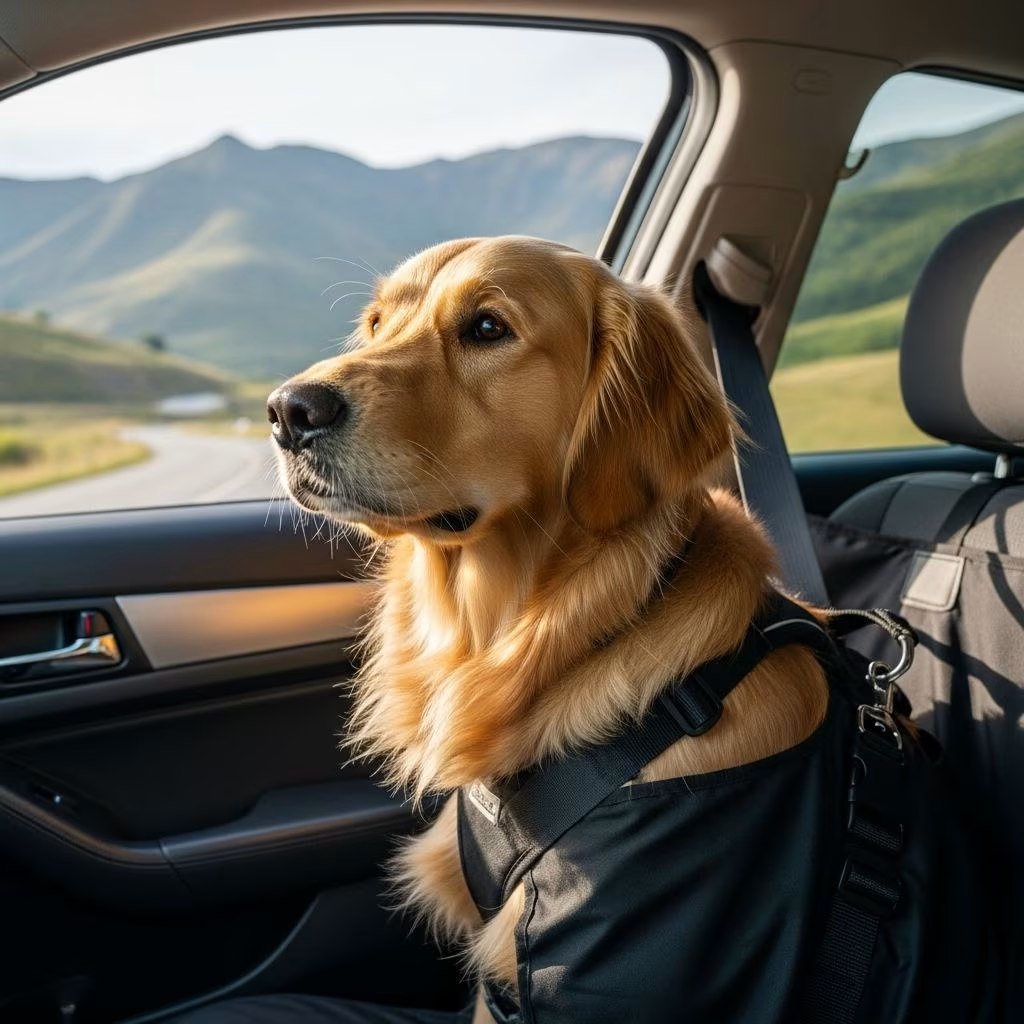
Transporting dogs in vehicles requires careful planning to protect both the pet and passengers. Unrestrained dogs can become dangerous projectiles in crashes or cause driver distractions leading to accidents. This guide outlines proven methods for secure restraint, behavioral training, and gear selection to make every trip safe and stress-free.
Understanding the Risks of Unsecured Pets
A 60-pound dog traveling unrestrained at 35 mph generates over 2,700 pounds of force during a collision, endangering everyone inside.Proper restraints reduce these risks dramatically by preventing movement and minimizing injury potential. Driver distraction from a roaming pet increases accident likelihood, while unsecured dogs may escape at stops, risking injury or loss.
Legal requirements vary, but many areas mandate pet restraint similar to child safety laws. Even without mandates, responsible ownership demands preparation. Start by assessing your dog’s size, temperament, and vehicle space to choose appropriate solutions.
Top Restraint Options for Vehicle Travel
Selecting the right equipment is foundational. Prioritize crash-tested products certified by independent testers like the Center for Pet Safety (CPS), which rigorously evaluates gear under simulated crash conditions.
| Method | Pros | Cons | Best For |
|---|---|---|---|
| Crash-Tested Crates | Maximum protection; contains dog fully; tested for impact | Bulky; requires training; vehicle space needed | Large dogs, long trips |
| Crash-Tested Harnesses | Easy install; allows some movement; CPS-approved options exist | Fewer passing tests; must fit properly | Medium/small dogs, daily drives |
| Seat Belt Tethers | Quick setup; uses LATCH system | Not always crash-tested; less secure | Short trips, backups |
| Barriers | Prevents front-seat access | Doesn’t restrain fully; dog can still move | SUVs with cargo areas |
Always position dogs in the backseat or cargo area, never front seats due to airbag risks. Attach crates securely to vehicle anchors, and use harnesses—not collars—for tethers to avoid neck injury.
Step-by-Step Crate Training for Confident Travelers
Crate training builds a positive association, turning the enclosure into a safe haven. Begin at home, away from the car, to avoid overwhelming your dog.
- Introduce gradually: Place high-value treats inside the open crate, letting your dog explore voluntarily.
- Build duration: Feed meals inside, closing the door briefly while praising calmly.
- Add distance: Step away, then return with rewards; progress to leaving the room.
- Vehicle transfer: Once crate-love is established, secure it in the car with engine off. Reward entry and short stays.
- Engine acclimation: Start the motor for brief sessions in a shaded, ventilated spot, rewarding quiet behavior.
Monitor for chewing; apply safe deterrents if needed. Puppies should never ride on laps—confine them from day one to establish habits.
Harness and Tether Mastery Techniques
For dogs who resist crates, harnesses offer mobility with security. Only one harness passed CPS crash tests, emphasizing quality over quantity.
- Fit the harness snugly: Two fingers should fit between straps and body.
- Acclimate at home: Pair with walks and play for positive links.
- Secure to LATCH or seat belt: Adjust for sit/lie comfort without excess slack.
- Test stationary: Ensure no escape or discomfort before driving.
Never tether to collars, head halters, or prongs—opt for back-clip harnesses. Keep a leash on even in crates for exit control.
Behavioral Training for Quiet Rides
Even with gear, a calm dog is key. Teach foundational commands like “down,” “stay,” and “wait” outside the vehicle first.
- Stationary practice: Engine off, reinforce down-stay in the back with praise; fade treats quickly.
- Engine introduction: Run the motor parked, rewarding calm for 10-15 minutes.
- Motion desensitization: Short drives around the block, building to longer routes.
- No window hanging: Discourage heads out windows to prevent debris injury and distractions.
Tired dogs behave best—exercise physically or mentally pre-trip. Brain games like puzzle toys drain energy effectively.
Vehicle-Specific Adaptations
Sedans suit harnesses; SUVs excel with crates or barriers in cargo areas. Audit setups regularly: Check wear, secure anchors, and fit.
- Hatchbacks/SUVs: Cargo barriers plus crates for multi-dog loads.
- Sedans: Backseat harnesses with tethers.
- Trucks: Secure crates in beds with tie-downs (avoid open air at speed).
For multiple dogs, individual crates prevent fights and ensure exit control.
Common Pitfalls and Fixes
Avoid these errors for smoother travels:
- Mistake: Free-roaming pets. Fix: Always restrain; even “good” dogs distract.
- Mistake: Front-seat placement. Fix: Rear only.
- Mistake: Skipping training. Fix: Gradual exposure prevents fear or excitement overload.
- Mistake: Poor gear fit. Fix: Measure twice, test once.
Frequently Asked Questions (FAQs)
Is a dog car seat better than a harness?
Car seats can work if crash-tested and secured, but harnesses with tethers often provide similar protection with less bulk. Check CPS ratings.
Can my dog ride in the front seat?
No—airbags pose lethal risks. Backseat or cargo only.
How long to crate train for cars?
1-4 weeks at home, then 1-2 weeks vehicle-specific, varying by dog.
What if my dog hates the car?
Counter-condition with short, rewarding trips post-exercise; consult pros for severe anxiety.
Are cheap harnesses safe?
Many fail crash tests—invest in CPS-approved for reliability.
Long-Term Habits for Stress-Free Journeys
Consistency yields results. Pre-trip routines—exercise, bathroom breaks, water—set the tone. Pack essentials: waste bags, towels, vet records. Regular practice maintains skills, turning car time into bonding opportunities.
For hot climates, never leave dogs unattended; heatstroke kills quickly. Cold weather demands insulated crates.
References
- Dogs Riding Safely and Calmly in Cars — Whole Dog Journal. 2023-01-01. https://www.whole-dog-journal.com/training/dogs-riding-safely-and-calmly-in-cars/
- Car-Ride Ready: How to Safely Secure Your Dog in Any Vehicle — Dogtopia. 2024-05-15. https://www.dogtopia.com/blog/car-ride-ready-how-to-safely-secure-your-dog-in-any-vehicle/
- Dog Car Safety and Seat Belt Tips — Purina US. 2023-11-20. https://www.purina.com/articles/dog/health/routine-care/dog-car-safety
- Crucial Tips for Dog Safe Car Travel — McCann Dogs. 2024-02-10. https://www.mccanndogs.com/blogs/articles/crucial-tips-for-dog-safe-car-travel
- Dog Travel Safety: Essential Car Restraints for Pet Protection — 4Knines. 2024-08-05. https://4knines.com/blogs/accessories/dog-travel-safety-essential-car-restraints-for-pet-protection
- Center for Pet Safety Crash Test Results — Center for Pet Safety. 2023-06-12. https://www.centerforpetsafety.org/



