

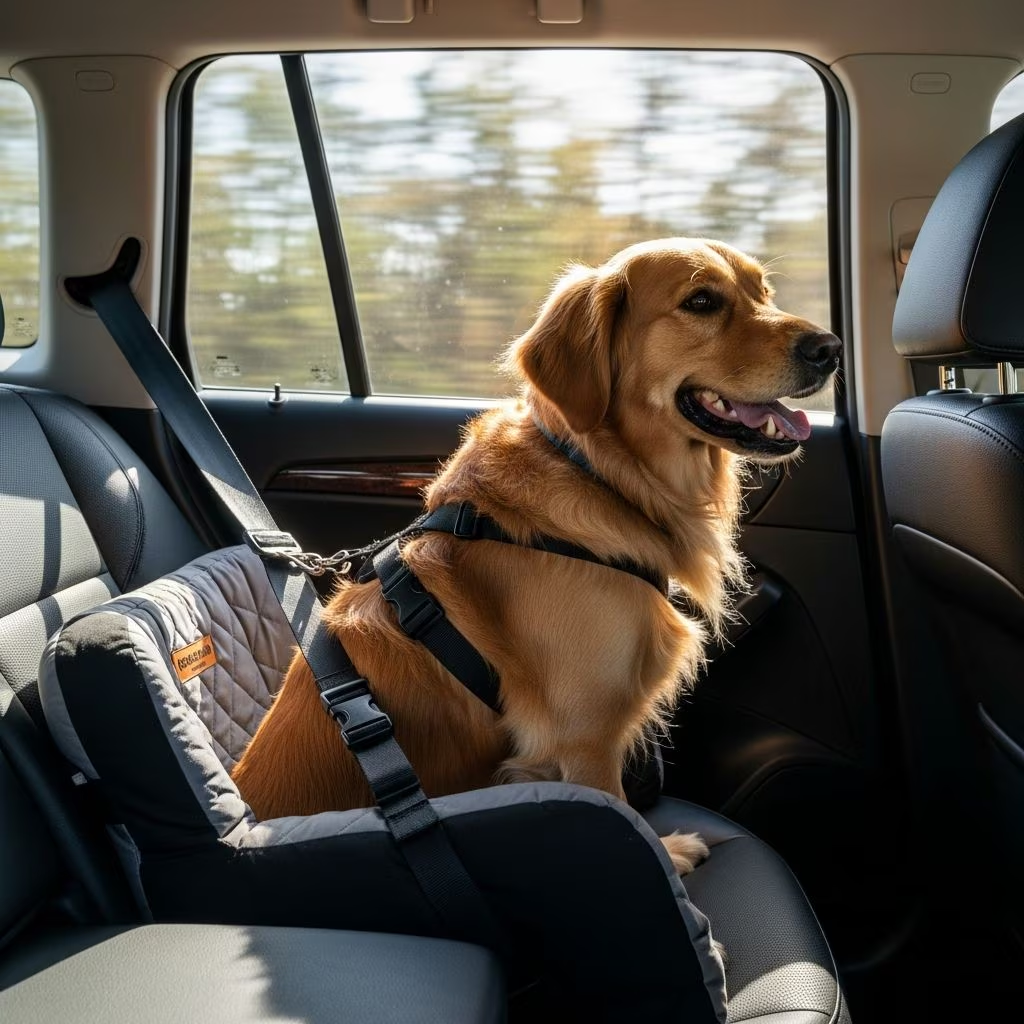
Traveling by car with your dog can strengthen your bond and create lasting memories, but it requires careful planning to prioritize safety and comfort. Unrestrained pets pose significant risks during accidents or sudden stops, turning fun outings into emergencies. This guide explores practical solutions for securing your dog, addressing common issues like anxiety and motion sickness, and preparing for smooth journeys.
Why Prioritize Restraint Systems
Dogs left loose in vehicles can distract drivers or fly through the air during collisions, leading to injury for both pet and passengers. Studies highlight that proper restraints reduce these dangers substantially. The back seat or cargo area offers the safest positioning, away from front airbags that could deploy harmfully.
Key benefits of using restraints include:
- Crash protection: Tested harnesses and crates mimic human safety gear, distributing forces evenly.
- Driver focus: Prevents pets from jumping forward, maintaining road attention.
- Comfort consistency: Allows dogs to settle without constant repositioning.
Top Restraint Options Compared
Selecting the right gear depends on your dog’s size, temperament, and vehicle type. Below is a comparison of popular choices, emphasizing crash-tested models for reliability.
| Option | Best For | Pros | Cons | Examples |
|---|---|---|---|---|
| Harness | All sizes, active dogs | Crash-tested; allows movement; integrates with seatbelts | May need fitting adjustments; not for very large breeds | Kurgo Tru-Fit, Ruffwear Load Up |
| Carrier | Small dogs/cats | Lightweight; portable; straps to seats | Limited space for larger pets; ventilation key | Fabric boosters with belt loops |
| Crate | Large/strong dogs | Sturdy plastic/metal; full enclosure | Bulky; expensive; secure anchoring required | Rear cargo-secured models |
| Barrier/Hammock | Multiple dogs, SUVs | Creates zones; protects upholstery | Doesn’t fully restrain; pair with harness | Cargo liners with flaps |
Always verify products against standards like those used in child seat testing for optimal protection. Avoid unproven tethers or lap-holding, as they fail in impacts.
Optimal Vehicle Positioning Strategies
Placement matters as much as gear. Position crates centrally in the rear for balanced stability, securing them with tie-downs or belts. For harnessed dogs, clip to rear lap/shoulder belts, limiting reach to prevent front-seat access.
In cargo areas, use non-slip mats and barriers to keep pets from sliding or invading the cabin. Larger vehicles like SUVs benefit from foldable barriers that maintain passenger access while isolating pets. Never allow front-seat riding due to airbag risks—federal guidelines echo this for all passengers.
Managing Motion Sickness and Anxiety
Many dogs experience nausea from car motion, showing as drooling, whining, or vomiting. Start with short practice drives, gradually increasing duration to build tolerance. Feed lightly before trips and use vet-approved anti-nausea meds if needed.
Anxiety manifests as panting or restlessness. Calming aids include:
- Pheromone collars or sprays for soothing scents.
- Window views to engage curious pups.
- Background noise like soft music to mask road sounds.
Practice trips help desensitize fearful dogs, associating cars with rewards like treats or walks. Consult vets for underlying issues, especially in puppies or seniors.
Packing Essentials for Every Trip
A well-stocked kit ensures readiness. Core items include:
- Food, water, bowls for hydration breaks every 2-3 hours.
- Medications, vaccination records, first-aid supplies.
- Cleaning tools: bags, wipes for messes.
- Toys or blankets for familiarity.
For long hauls, plan pet-friendly stops via apps listing parks and hotels. Pre-trip vet checks confirm fitness, particularly for breeds prone to heat sensitivity.
Legal and Insurance Considerations
Some regions mandate pet restraints, akin to child laws. Unrestrained dogs increase liability in accidents. Pet insurance often covers travel injuries, but verify policy details. Crash ratings for vehicles can guide choices—opt for high-safety models.
Long-Distance Travel Best Practices
Break journeys into segments with 15-30 minute stops for exercise, potty, and water. Monitor for heatstroke signs like excessive thirst or lethargy—AC must reach pet areas. Overnight at verified pet hotels, never leaving dogs in parked cars due to rapid temperature spikes.
For multi-dog households, separate anxious pairs and rotate comfort items. Track mileage to schedule maintenance, avoiding breakdowns stranding pets.
Common Mistakes to Avoid
Steer clear of these pitfalls:
- Skipping tests: Always trial gear on short drives.
- Overlooking size: Crates too small cause stress; too large allow shifting.
- Ignoring weather: Extreme temps demand extra vigilance.
- Forgetting IDs: Collars with phones and chips are non-negotiable.
Frequently Asked Questions
Can puppies ride in cars safely?
Yes, but use appropriately sized, crash-tested carriers. Short trips build confidence; avoid until 8 weeks old for vaccination protection.
Is a regular walking harness enough?
No—standard harnesses lack crash reinforcement. Choose auto-specific models with reinforced stitching.
What if my dog hates crates?
Acclimate gradually with positive associations. Harnesses offer a less confining alternative.
How often should I stop on road trips?
Every 2-3 hours for bladder relief, stretching, and checks.
Are dog seatbelts effective?
Only if paired with vetted harnesses; standalone clips often fail.
Advanced Tips for Frequent Travelers
Invest in quilted seat covers for fur and scratch protection. GPS collars track escape artists. For air travel prep, car practice eases transitions. Seasonal tweaks: cooling mats for summer, insulated blankets for winter.
Community forums share breed-specific hacks, but prioritize expert-vetted advice. Annual gear inspections ensure integrity after wear.
References
- How to Keep Your Dog Comfortable During Car Rides — American Kennel Club. 2023-05-15. https://www.akc.org/expert-advice/travel/dog-comfortable-car-rides/
- Car Safety for Dogs and Cats — Progressive. 2024-02-10. https://www.progressive.com/answers/pet-safety-in-cars/
- How to Keep your Dog Safe & Comfortable while Traveling — Health Starts in the Kitchen. 2023-08-20. https://healthstartsinthekitchen.com/how-to-keep-your-dog-safe-in-the-car/
- Car Travel With Pets: 10 Tips for Safety and Security — WebMD. 2024-01-12. https://www.webmd.com/pets/dogs/how-to-travel-with-your-dog
- Road Trip Tips: How to Improve Dog Safety in the Car — Freshpet. 2023-11-05. https://www.freshpet.com/blog/travel-safety-tips-for-dogs
- Essential Tips for Safe and Comfortable Car Travel with Your Dog — 4Knines. 2024-03-18. https://4knines.com/blogs/rear-dog-seat-cover/essential-tips-for-safe-and-comfortable-car-travel-with-your-dog
- Road Trips With Dogs: 11 Safety and Travel Tips — Chewy. 2023-06-22. https://www.chewy.com/education/dog/general/road-trips-with-a-dog



