

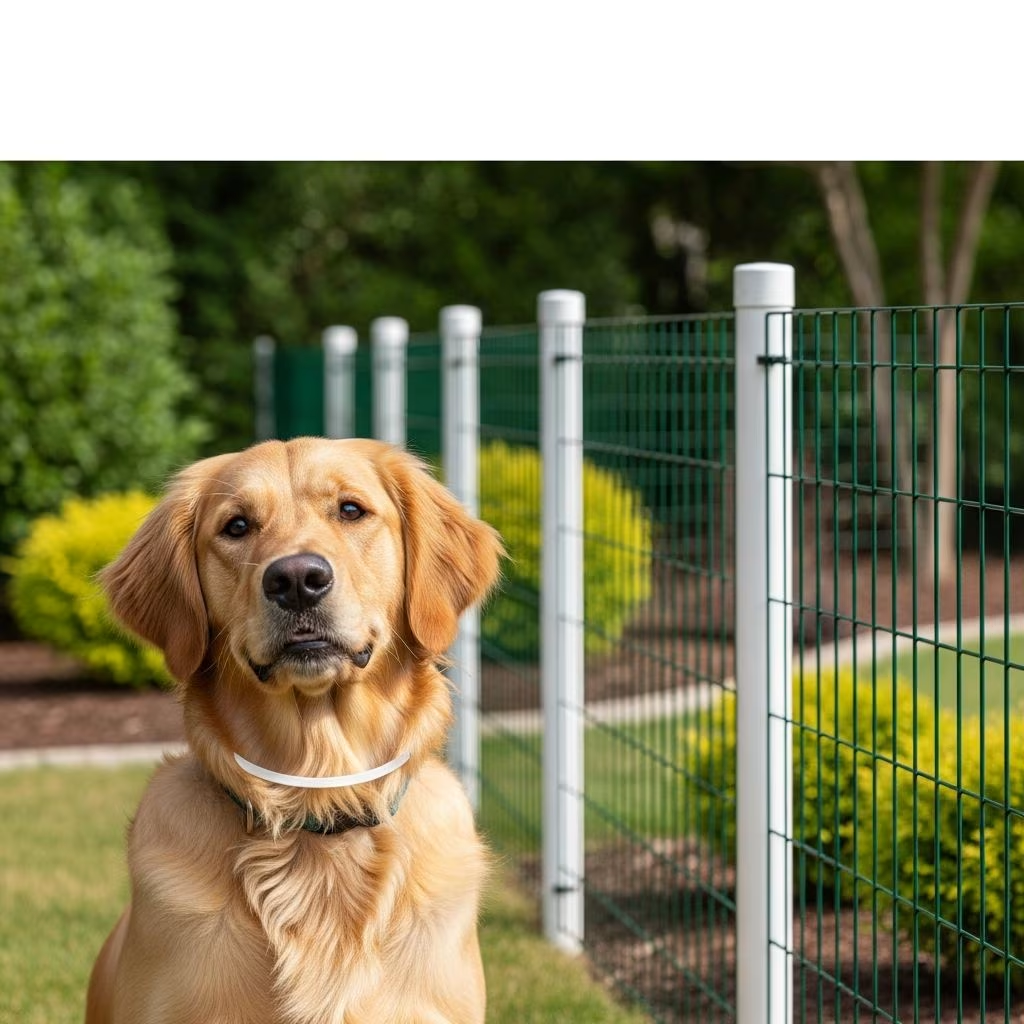
Creating a secure yard for your dog doesn’t require expensive professional services or permanent structures. Homeowners can choose from physical barriers, underground electric systems, or modern wireless technologies to contain pets effectively while staying within budget. This guide outlines planning, installation, and maintenance for various options, prioritizing safety and simplicity.
Why Choose the Right Fencing for Your Dog
Dogs need defined boundaries to prevent escapes, reduce risks from traffic or wildlife, and allow safe play. Traditional wood or chain-link fences cost thousands, but alternatives like mesh panels, in-ground wires, or GPS collars offer containment for under $500. Factors like yard size, dog breed, digging habits, and local regulations influence the best choice. Always measure your perimeter first and consider your pet’s jumping or tunneling tendencies.
Assessing Your Yard and Dog’s Needs
Before purchasing materials, evaluate key elements:
- Yard layout: Note slopes, trees, driveways, and existing fences that could integrate with new systems.
- Dog behavior: High-energy breeds may need taller barriers; diggers require buried bases or anti-dig extensions.
- Budget range: Physical DIY kits start at $200; electronic systems around $300; GPS options $250+.
- Local rules: Check zoning for fence heights (often 4-6 feet max) and invisible systems.
Use graph paper to sketch boundaries, rounding corners to avoid signal issues in electronic setups. Test layouts with string or flags to visualize coverage.
Physical Fencing: Sturdy and Visible Options
Physical fences provide immediate visual deterrence. Opt for portable mesh or welded wire for affordability.
Planning a Mesh or Wire Fence Layout
Start by marking post locations every 6-10 feet. For uneven ground, use adjustable sleeves driven with a sledgehammer. Aim for 4-5 foot heights to contain most dogs.
Step-by-Step Physical Installation
- Prepare ground: Clear debris and level soil. Dig post holes 18-24 inches deep if permanent; use sleeves for portability.
- Set posts: Pound sleeves securely, then insert poles. Fill with gravel for stability.
- Attach panels: Secure mesh or wire with zip ties or clips, starting from one end. Overlap sections for strength.
- Add anti-digging: Bury chicken wire or L-foot extensions 12 inches out and down to thwart tunnelers.
- Gate setup: Install self-closing hinges and latches at eye level for dogs.
These systems install in a weekend and disassemble easily for renters.
Invisible Electronic Fences: Hidden Containment
Underground fences use buried wire transmitting radio signals to a collar that beeps, vibrates, or corrects when approached. Ideal for irregular yards or adding to existing fences.
Selecting an In-Ground System
Kits cover 1/3 to 1 acre. Choose waterproof collars with adjustable levels for training puppies or stubborn adults.
Detailed Installation Process
| Step | Actions | Tips |
|---|---|---|
| 1. Mount transmitter | Indoors near outlet, away from metal/large appliances. Use wall anchors. | Avoid garages with interference sources. |
| 2. Lay boundary wire | Above ground first, forming a loop. Twist leads to transmitter (cancels signal). Test loop. | Round corners; separate parallel wires 4+ feet. |
| 3. Bury wire | Trench 1-3 inches deep with edger/shovel. Cross pavement with saw cuts. | Splice extras with connectors; waterproof joints. |
| 4. Fit and train collar | Adjust snugly; start with beeps, progress to full correction. Walk boundaries. | Train 1-2 weeks for reliability. |
Systems detect breaks via alarms, ensuring quick fixes.
Wireless and GPS Fences: No Digging Required
Modern alternatives skip wires entirely. Base stations broadcast signals or apps set GPS zones via satellite.
Pros and Cons Comparison
| Type | Cost | Setup Time | Best For |
|---|---|---|---|
| Wireless Base | $250-400 | 1 hour | Round yards |
| GPS Collar | $300+ | 30 min + app | Any shape, travel |
Installing Wireless Systems
- Place base centrally, plugged in.
- Set boundary radius via dials/app.
- Walk-test collar for beeps/vibrations.
- Adjust for obstacles; recenter if needed.
GPS Setup
Charge collar, pair with app. Walk perimeter holding collar to map zones. Customize warnings; verify no gaps. Portable for vacations.
GPS excels in wooded or large properties but needs clear satellite views.
Enhancing Safety and Durability
Regardless of type:
- Weatherproofing: Use UV-resistant materials; bury wires deeply in freeze zones.
- Dig-proofing: Add concrete footings or rocks at bases.
- Jump prevention: Angle tops inward or add rollers.
- Maintenance: Inspect monthly for wear; recharge batteries seasonally.
Combine systems: Run electric wire atop privacy fences to stop climbers.
Training Your Dog to Respect Boundaries
Fences fail without training. Use positive reinforcement:
- Day 1-3: Walk inside boundaries with flags, rewarding stays.
- Day 4-7: Approach edge on leash; teach “come” on warning.
- Week 2+: Off-leash supervised play, gradually unsupervised.
Consistency prevents testing; most dogs learn in 10-14 days.
Cost Breakdown and Budget Tips
| Fence Type | Materials Cost (1/4 Acre) | Labor | Total Savings vs Pro |
|---|---|---|---|
| Mesh Physical | $200-350 | DIY | 80% |
| In-Ground Electric | $300-500 | DIY | 70% |
| GPS Wireless | $250-450 | DIY | 90% |
Shop kits with extras like splices. Rent trencher for $50/day to speed digging.
Frequently Asked Questions
Can small dogs use invisible fences?
Yes, with low-static collars adjustable from puppy sizes. Train gradually.
Will rain damage buried wires?
No, if splices are sealed. Systems are waterproof.
How deep to bury wire?
1-3 inches; deeper in high-traffic dog areas.
Do GPS fences work everywhere?
Best with GPS signal; avoid dense tree cover or indoors.
Is DIY as safe as professional?
Yes, following instructions. Test thoroughly before full use.
Common Mistakes to Avoid
Don’t skip testing loops, use undersized wire, or ignore training. Sharp corners cancel signals; always twist leads. Over-tight collars cause discomfort—fit two fingers underneath.
References
- DIY: What You Need To Know About Pet Fence Installation — EasyPetFence. Accessed 2026. https://easypetfence.com/diy-how-to-build-a-pet-fence/
- Install the PetSafe® Classic In-Ground Fence — PetSafe Support. Accessed 2026. https://support.petsafe.net/articles/install-the-classic-in-ground-fence/
- How to Install an Underground Dog Fence — CT Dog Containment. Accessed 2026. https://www.ctdogcontainment.com/ctdogcontainmentblog/how-to-install-an-underground-dog-fence
- How to Install an Electric Invisible Dog Fence — Lowe’s. Accessed 2026. https://www.lowes.com/n/how-to/install-an-electronic-dog-fence
- Planning the Installation — Extreme Dog Fence. Accessed 2026. https://extremedogfence.com/pages/planning-the-installation
- A Step-by-Step Guide to Installing a GPS Dog Fence — PawTronic. Accessed 2026. https://pawtronicgpsfence.com/blogs/news/a-step-by-step-guide-to-installing-a-gps-dog-fence



