
Safe Bones for Dogs Guide
Discover which bones are truly safe for your dog, expert tips on raw vs cooked, and essential rules to prevent choking, fractures, and digestive issues.
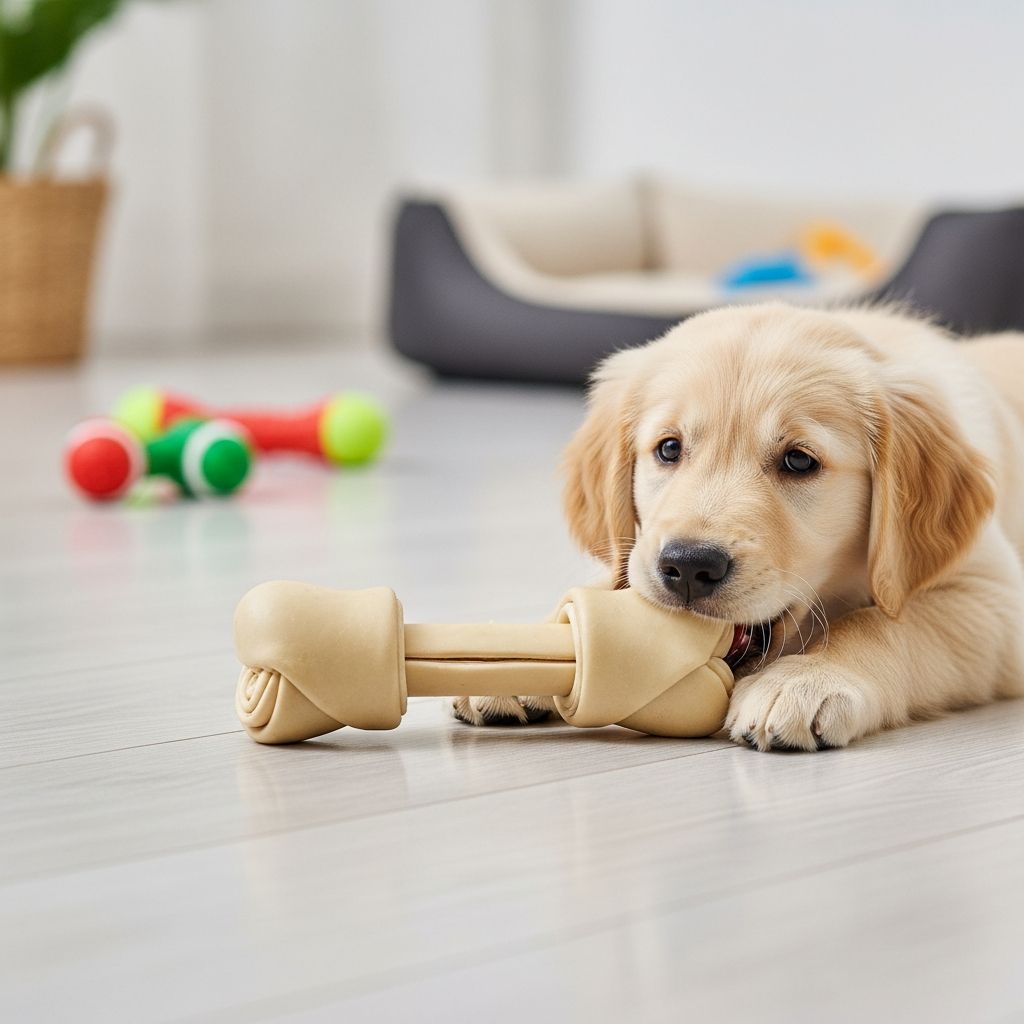
Many dog owners enjoy watching their pets chew on bones as a natural activity, but not all bones are harmless. Selecting the right type and following strict safety protocols can prevent serious health issues like choking, tooth fractures, and intestinal blockages. This guide draws from veterinary expertise to help you make informed choices for your dog’s well-being.
Understanding the Appeal of Bones for Dogs
Dogs instinctively chew to relieve stress, clean teeth, and satisfy oral urges. Bones mimic prey items from their wild ancestors, providing mental stimulation and potential dental benefits. However, modern bones—whether natural or processed—carry risks if not chosen carefully. Veterinary sources emphasize that while chewing is beneficial, safety must come first to avoid emergency interventions.
Dangerous Bones to Avoid Completely
Certain bones pose immediate threats due to their tendency to splinter, break, or lodge in airways. Prioritizing avoidance of these can safeguard your pet’s health.
- Cooked Poultry Bones (Chicken, Turkey): Heating makes them brittle, leading to sharp splinters that pierce the throat, esophagus, or intestines. Small fragments often cause internal bleeding or perforations.
- T-Bone Steaks and Similar Shaped Bones: Their T-shape allows one end to catch in the throat while the other advances, causing life-threatening swelling and airway obstruction.
- Small or Circular Bones: These fit easily into the mouth but risk choking or jaw entrapment. Round bones can loop around the lower jaw, requiring sedation for removal.
- Raw Pork or Rib Bones: Even uncooked, they splinter readily and introduce bacterial risks like Salmonella.
Processed bones, such as smoked or steamed varieties, also fall into this category due to added brittleness and preservatives.
Recommended Safe Bone Options
When opting for bones, focus on raw, meaty varieties from trusted sources. These are softer, less likely to splinter, and provide nutritional perks like calcium and phosphorus.
| Bone Type | Suitable Breeds | Key Safety Features | Potential Benefits |
|---|---|---|---|
| Raw Beef or Bison Femur/Hip (Large) | Large breeds (e.g., Mastiffs, German Shepherds) | Size matches head, knobs on ends prevent swallowing | Dental cleaning, joint support nutrients |
| Raw Lamb or Oxtail (Meaty) | Medium-Large breeds | Smooth surface, minimal pores | Entertainment, natural minerals |
| Raw Chicken Necks/Wings (Supervised) | Small-Medium breeds | Soft, edible when fresh | Calcium source, but monitor closely |
Always source from reputable butchers to ensure freshness and avoid contaminants. Inspect for smooth texture and lack of cracks before offering.
Essential Safety Rules for Supervised Chewing
Even safe bones require vigilance. Follow these protocols to minimize accidents:
- Supervise Always: Never leave your dog unattended; intervene if the bone cracks or becomes small.
- Limit Sessions: Allow 10-15 minutes of chewing, then refrigerate to prevent bacterial growth.
- Size Appropriately: Bone should be as wide as the dog’s head or larger to avoid swallowing.
- Discard Timely: Toss after 3-4 days or if heavily gnawed; brittle ends splinter easily.
- Chill Before Use: Cold bones are firmer and less messy.
- Avoid Problem Dogs: Skip bones for aggressive chewers, puppies under 6 months, or those with dental history.
Up to three sessions weekly is ideal for most dogs, balancing enjoyment with health.
Health Risks and Emergency Warning Signs
Bones can lead to complications despite precautions. Common issues include:
- Dental Damage: Fractured molars require costly root canals or extractions.
- Mouth Injuries: Sharp edges lacerate gums, tongues, or palates.
- Choking/Blockages: Lodged pieces block airways or intestines, demanding surgery.
- Constipation: Over-chewing ingests too much bone, hardening stools.
- Bacterial Contamination: Raw bones harbor pathogens if not handled properly.
Watch for symptoms like vomiting, lethargy, refusal to eat, excessive drooling, or abdominal pain. Seek immediate vet care—these signal potential obstructions.
Alternatives to Natural Bones
For risk-averse owners, safer chew options exist:
- Dental Chews: Vet-approved products like nylon bones or enzyme-infused treats clean teeth without fracture risk.
- Frozen Carrots or Apples: Crunchy veggies satisfy chewing urges safely.
- Rubber Toys: Durable Kongs filled with peanut butter provide long-lasting engagement.
These alternatives reduce hazards while fulfilling the same needs.
Nutritional Value of Safe Bones
Raw meaty bones offer more than recreation; they supply bioavailable minerals aiding bone health and digestion. Beef marrow bones, for instance, deliver healthy fats and glucosamine for joints. However, they shouldn’t exceed 10-15% of diet to avoid imbalances. Consult a vet for breed-specific needs.
Frequently Asked Questions (FAQs)
Can puppies have bones?
No, wait until adult teeth emerge around 6-12 months. Pups’ jaws are developing and prone to damage.
Are antlers safer than bones?
Antlers are harder, increasing tooth fracture risk. Stick to softer raw options.
What if my dog swallowed a piece?
Monitor for distress. X-rays may be needed; don’t induce vomiting without vet guidance.
Can all dogs handle raw bones?
No—avoid for those with pancreatitis, IBD, or recent dental work.
How do I clean up after bone chewing?
Wipe paws and supervise to prevent mess; refrigerate promptly.
Choosing Quality Bones: Vet-Approved Tips
Examine bones for smoothness, weight, and odor. Reputable suppliers freeze or inspect for quality. Educate yourself on sourcing to be a responsible owner.
In summary, bones can enrich your dog’s life when selected and managed properly. Prioritize raw, sizable meaty bones, constant supervision, and quick discard to sidestep dangers. Regular vet check-ups ensure your furry friend thrives.
References
- Dog Bone Safety: Can Dogs Eat Bones? — Brookfield Pet Hospital. 2024-05-17. https://www.brookfieldpethospital.com/site/blog/2024/05/17/dog-bone-safety
- Dog Bone Safety: Can Dogs Eat Bones? — Rockland Veterinary. 2023-05-15. https://www.rocklandvet.com/site/blog/2023/05/15/dog-bone-safety–dogs-eat-bones
- How To Safely Give Your Dog a Bone — Redbarn Pet Products. N/A. https://www.redbarn.com/blogs/blog/how-to-safely-give-your-dog-a-bone
- Dog Bone Safety: What You Need to Know — Zoetis Petcare. N/A. https://www.zoetispetcare.com/blog/article/dog-bone-safety
- The Ultimate Guide on Which Types of Bones are Safe or Unsafe for Dogs — The Better Bone. N/A. https://thebetterbone.com/blogs/do-you-know/the-ultimate-guide-on-which-types-of-bones-are-safe-or-unsafe-for-dogs
- Dog Bone Safety: Can Dogs Eat Bones? — Redbank Animal Emergency Clinic. 2024-06-15. https://www.raetc.com/site/blog/2024/06/15/dog-bone-safety
- Why Bones Are Not Safe for Dogs — VCA Animal Hospitals. N/A. https://vcahospitals.com/know-your-pet/why-bones-are-not-safe-for-dogs
Similar Articles








Read full bio of Sneha Tete




