Safe Baths for Sugar Gliders: Complete Guide
Learn when and how to safely bathe your sugar glider with expert tips.
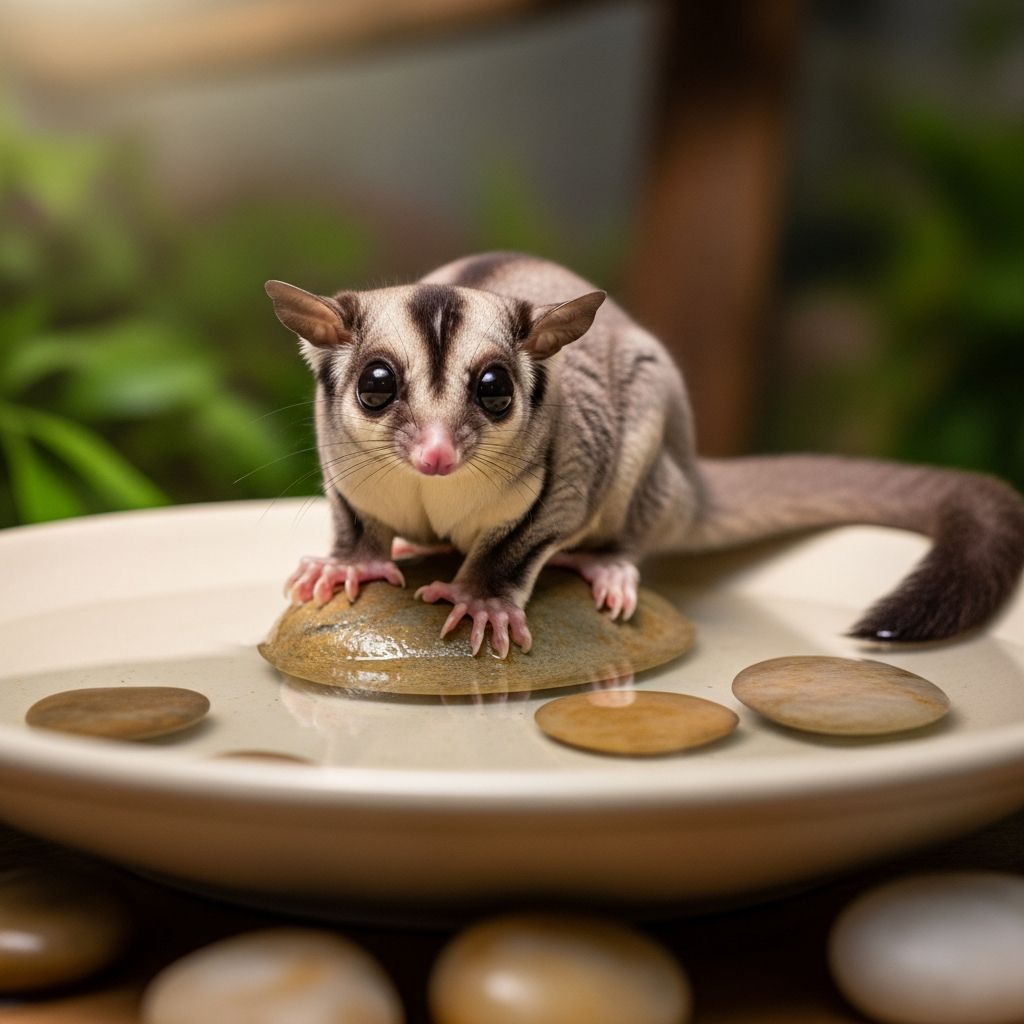
Safe Baths for Sugar Gliders: A Comprehensive Guide
Sugar gliders are delightful small pets known for their soft, dense fur and meticulous self-grooming habits. However, pet owners sometimes wonder whether their gliders need baths and, if so, how to bathe them safely. Understanding the proper approach to bathing your sugar glider is essential for maintaining their health and well-being. This comprehensive guide covers everything you need to know about safe bathing practices for these adorable marsupials.
Understanding Sugar Glider Grooming Needs
Sugar gliders are naturally clean animals that groom themselves regularly throughout the day and night. Their dense fur, which consists of tightly packed hairs, provides excellent protection and maintains its natural oils without requiring human intervention. A healthy sugar glider will spend considerable time grooming itself and other gliders in their group, using their specialized grooming nails on their back feet to comb through their fur and remove any debris.
The dense structure of their coat serves multiple purposes: it provides insulation, maintains natural oils for skin health, and creates an environment where parasites struggle to establish themselves. This natural grooming behavior means that in most cases, your sugar glider does not require baths. If your glider appears dirty or is not grooming properly, this may indicate an underlying health issue that warrants a visit to a veterinarian specializing in exotic pets.
When Should You Bathe Your Sugar Glider?
Although bathing should generally be avoided, there are specific situations where a bath becomes necessary. Understanding these circumstances helps you determine whether your sugar glider truly needs a bath or if alternative cleaning methods would be more appropriate.
Situations Requiring a Bath
The primary reasons to bathe your sugar glider include:
– Excessive soiling with feces or urine that cannot be removed through spot cleaning- Accidental contamination with substances that could harm your glider if ingested during self-grooming- Sticky substances or debris that cannot be removed with alternative cleaning methods- Veterinary recommendation following an injury or medical condition- Preparation for medical procedures requiring a clean coat
In all other situations, maintaining a clean cage and allowing your glider’s natural grooming instincts to work is the safest approach.
Why Water Bathing Poses Risks
Water bathing presents several significant health risks for sugar gliders that pet owners must understand before attempting to bathe their pets. These small marsupials are highly susceptible to complications that can arise from water exposure.
Risk of Hypothermia and Illness
Sugar gliders have a fast metabolism and cannot effectively regulate their body temperature when wet. The moisture in their densely packed fur takes considerably longer to dry compared to other small animals. During the drying process, their body temperature drops significantly, creating conditions for hypothermia. Even a mild case of hypothermia can prove fatal, particularly in young or already stressed gliders. Additionally, the stress of bathing combined with rapid temperature drops increases susceptibility to respiratory infections such as pneumonia.
Coat and Skin Complications
Water and soap disrupt the delicate balance of natural oils in your sugar glider’s fur. These oils serve as waterproofing and skin protection, and their removal can lead to skin irritation, dryness, and discomfort. The disruption of this natural protective barrier may also create an environment more susceptible to fungal or bacterial infections.
Stress and Behavioral Issues
Sugar gliders find the bathing experience highly stressful. The combination of water exposure, the loss of control, and the unfamiliar sensations can cause significant anxiety. This stress may lead to behavioral changes, reduced appetite, or weakened immune function, all of which negatively impact your pet’s health.
Alternatives to Water Bathing
Fortunately, several effective alternatives to water bathing can keep your sugar glider clean without the associated risks. These methods address the occasional soiling issues while maintaining your pet’s health and comfort.
Spot Cleaning with Baby Wipes
For minor soiling or localized dirt, baby wipes provide an excellent solution. Choose fragrance-free, alcohol-free baby wipes to avoid irritating your glider’s sensitive skin. Gently wipe the affected area, ensuring the moisture evaporates quickly. This method allows you to address specific problem areas without exposing your entire pet to water.
Dry Cleaning with Powder
Baby powder or specialized small animal powder can absorb moisture and odors from your glider’s coat. Lightly dust the powder on the affected area and allow your sugar glider to groom it out naturally. This method is particularly effective for managing odors without any moisture-related complications. Always use fragrance-free powder to avoid respiratory irritation.
Sand Bath Alternative
Some sugar glider owners use sand or chinchilla dust baths as a grooming aid. These provide a natural cleaning mechanism that many small rodents instinctively use. However, this method should only be used under veterinary guidance and in moderation to prevent respiratory issues.
How to Safely Bathe Your Sugar Glider (When Necessary)
If your veterinarian has determined that a water bath is necessary, following proper procedures minimizes risks and ensures your glider remains as safe and comfortable as possible throughout the process.
Preparation and Supplies
Before beginning the bath, gather all necessary supplies to avoid leaving your glider unattended during the process:
– Lukewarm water (never hot)- Sugar glider-specific shampoo or high-quality cat shampoo in very small amounts- Soft, clean cloth or pet-safe wet wipes- Soft, absorbent towels (pre-warmed if possible)- A small basin or sink with controlled water flow- Optional: heating pad or warm area for post-bath drying
Step-by-Step Bathing Process
Step 1: Prepare the Environment Ensure the room is warm and draft-free. Have all supplies within arm’s reach before beginning. Pre-warm towels in a dryer or on a heating pad to prepare for drying your glider.
Step 2: Use Running Water Only Never fill a sink with standing water, as your sugar glider could accidentally inhale water or become panicked. Instead, use running water from a faucet, adjusting the flow to be gentle and manageable. Test the water temperature on your inner wrist to ensure it is comfortably lukewarm, not hot.
Step 3: Wet and Shampoo Carefully Using a soft cloth dampened with lukewarm water, gently wet your glider’s fur. If using shampoo, apply only a tiny amount specifically formulated for sugar gliders. Work the shampoo gently into the fur, avoiding the face, ears, and eyes. Keep the process quick and gentle to minimize stress.
Step 4: Rinse Thoroughly Rinse away all shampoo using running water, ensuring no residue remains. Residual shampoo can irritate skin and disrupt the coat’s natural balance.
Step 5: Immediate Drying This is the most critical step. Do not allow your sugar glider to air dry. Immediately wrap your glider in a pre-warmed towel and gently pat dry, ensuring moisture is completely removed. Continue with additional warm towels as needed until your glider is completely dry.
Step 6: Provide Warmth and Recovery After bathing, keep your glider in a warm environment for several hours. Provide access to a heating pad set on low to medium, allowing your pet to self-regulate their body temperature. Monitor your glider closely for signs of stress or illness.
Shampoo Selection
Use only shampoos specifically formulated for sugar gliders when possible. If sugar glider shampoo is unavailable, high-quality cat shampoo can be used in very small quantities, though glider-specific products are always preferable. Never use human shampoo, dog shampoo, or any product containing harsh chemicals, fragrances, or dyes. These can cause skin irritation or toxic reactions.
Post-Bath Care and Monitoring
After bathing your sugar glider, continued careful monitoring ensures that no complications develop. Watch for signs of distress, unusual behavior, or health changes in the hours and days following the bath.
Immediate Post-Bath Care
Keep your glider in a warm, quiet environment away from drafts. Provide soft bedding and familiar pouches where your pet can retreat if needed. Monitor activity levels and eating habits closely. Most gliders will feel stressed after bathing and may be less active for several hours.
Signs of Complications
Contact your veterinarian immediately if you notice:
– Shivering or cold body temperature- Labored breathing or wheezing- Loss of appetite lasting more than a few hours- Unusual lethargy or unresponsiveness- Watery eyes, nasal discharge, or coughing- Inability to groom normally
Managing Sugar Glider Odor Without Bathing
One common reason pet owners consider bathing their sugar gliders is odor management. However, maintaining a clean living environment and proper diet eliminates most odor issues without requiring water baths.
Odor Prevention Strategies
– Clean the cage thoroughly at least twice weekly, removing soiled bedding and uneaten fresh food- Establish your glider’s bathroom routine and provide designated bathroom areas in the cage- Feed a balanced, species-appropriate diet with proper nutrition- Consider neutering male gliders, which significantly reduces musky odors- Use fragrance-free bedding and avoid cedar or pine, which can mask odors but irritate respiratory systems- Ensure proper cage ventilation to prevent odor accumulation
Special Considerations for Young Gliders
Baby sugar gliders are particularly vulnerable to complications from water bathing. Their regulatory systems are still developing, and their bodies cannot effectively manage the stress and temperature changes associated with bathing. Young gliders should never be bathed unless specifically directed by a veterinarian for medical reasons. Even then, extra precautions and gentleness are necessary.
When to Consult a Veterinarian
If your sugar glider appears dirty, refuses to groom, or shows signs of skin problems, do not assume a bath is the solution. These symptoms often indicate underlying health issues requiring professional evaluation. A veterinarian experienced with exotic pets can determine whether bathing is appropriate or if treatment for an underlying condition is needed.
Frequently Asked Questions
Q: How often should I bathe my sugar glider?
A: Healthy sugar gliders should rarely need baths. Most never require water bathing if kept in clean environments and fed properly. Bathing should only occur when necessary to remove harmful substances or when veterinarian-directed.
Q: Can I use human shampoo on my sugar glider?
A: No. Never use human shampoo, as it can irritate your glider’s sensitive skin and disrupt their coat’s natural oils. Use only sugar glider-specific or high-quality cat shampoo in minimal amounts.
Q: What should I do if my glider gets wet accidentally?
A: Immediately dry your glider thoroughly with warm towels and provide warmth. Monitor closely for signs of hypothermia or stress. If your glider seems lethargic or distressed, contact a veterinarian.
Q: How can I reduce odors without bathing?
A: Maintain a clean cage, use unscented bedding, provide a balanced diet, and consider neutering males. Regular cage cleaning and proper ventilation effectively manage odors.
Q: What is the ideal water temperature for bathing?
A: Lukewarm water is safest, similar to the temperature you would use for a baby. Test water on your inner wrist before exposing your glider to ensure it is comfortably warm but not hot.
Q: Why is air drying dangerous for sugar gliders?
A: Sugar gliders cannot regulate body temperature effectively when wet. Their dense fur traps moisture, causing rapid heat loss and risk of hypothermia, which can be fatal, especially in young gliders.
References
- Sugar Glider Care Information — Paradise Valley Farm / Mini Livestock. 2024. https://www.minilivestock.com/sugar-glider-care-information.html
- Grooming Info – The Pet Glider — The Pet Glider. 2024. https://www.thepetglider.com/blogs/suggie-info-posts/grooming
- Sugar Gliders Guide — Arbor View Animal Hospital. 2023. https://arborviewah.com/wp-content/uploads/2023/03/Sugar-Gliders-Guide.pdf
- How to Bathe a Sugar Glider (Safely and Gently) — YouTube. 2024. https://www.youtube.com/shorts/-5bY3Me5_bQ
Similar Articles








Read full bio of Sneha Tete