

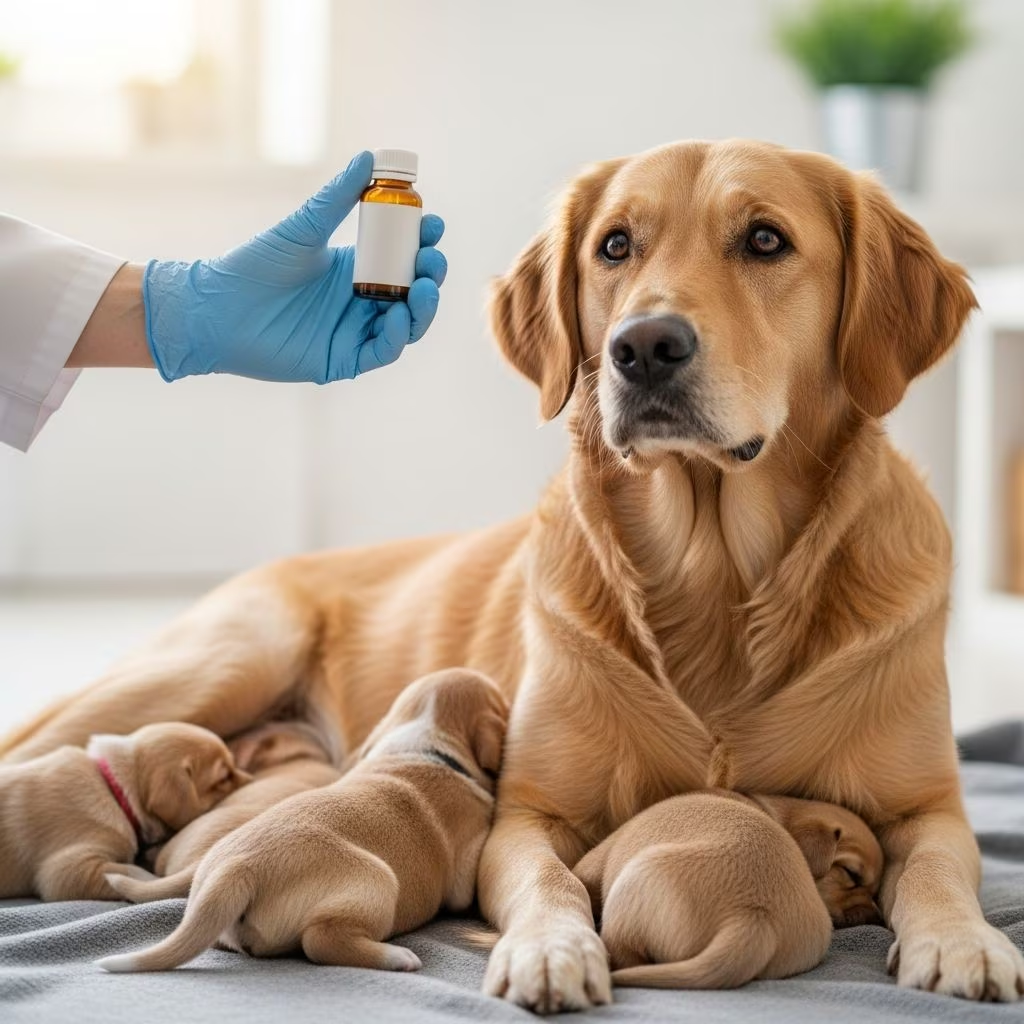
Lactating dogs require careful antibiotic selection to treat infections without harming nursing puppies. Veterinary stewardship prioritizes drugs with proven safety profiles, minimal milk excretion, and low risk of resistance development.
Understanding Maternal Infections During Lactation
Post-whelping infections in dogs often involve the mammary glands, reproductive tract, or systemic sites. Mastitis, metritis, and urinary tract infections are common, necessitating prompt intervention to safeguard both dam and litter. Symptoms include fever, lethargy, abnormal milk discharge, and puppy distress from inadequate nursing.
- Mastitis presents as swollen, painful teats with discolored milk.
- Metritis features foul vaginal discharge and uterine tenderness post-partum.
- Systemic signs like sepsis demand immediate veterinary attention.
Diagnosis relies on clinical exams, cytology, and cultures to identify pathogens, guiding targeted therapy per antimicrobial stewardship principles.
Key Principles of Antimicrobial Stewardship in Canines
Judicious antibiotic use prevents resistance, a global concern in veterinary medicine. Guidelines from organizations like AVMA emphasize culture-based therapy, narrow-spectrum agents, and short durations.
Veterinarians must oversee antimicrobial prescribing, avoiding routine prophylaxis and considering patient factors like lactation.
For nursing dogs, prioritize drugs with low mammary excretion and puppy safety data. Always discuss risks with owners, including potential adverse effects.
Pharmacokinetics: Antibiotics and Milk Transfer
Antibiotic passage into milk depends on lipid solubility, protein binding, and ionization. Beta-lactams like amoxicillin penetrate moderately but are generally safe at therapeutic doses. Fluoroquinolones such as enrofloxacin show higher milk concentrations, posing cartilage risks to neonates.
| Antibiotic Class | Milk Concentration Ratio | Safety in Puppies |
|---|---|---|
| Beta-lactams (e.g., Amoxicillin) | 0.1-0.5 | High |
| Tetracyclines | 0.5-1.0 | Low (tooth discoloration) |
| Fluoroquinolones | 0.5-2.0 | Moderate (cartilage concerns) |
| Metronidazole | 0.5-1.0 | Low (neurologic risks) |
Data derived from pharmacokinetic studies underscore selecting agents with ratios below 0.3 for minimal puppy exposure.
Recommended Antibiotics for Common Conditions
Mastitis Management
Staphylococcus and Streptococcus predominate in mastitis cases. First-line: Amoxicillin-clavulanate (12.5-25 mg/kg PO BID) for broad coverage. Alternatives include cephalexin (22-30 mg/kg PO BID) if sensitivity confirmed.
- Supportive care: Warm compresses, milk expression, litter separation if severe.
- Duration: 7-14 days, taper based on resolution.
Postpartum Metritis
Anaerobic and Gram-negative bacteria involved. Ampicillin (22 mg/kg IV TID) combined with metronidazole (10-15 mg/kg PO BID) for initial therapy in hospitalized cases. Transition to oral amoxicillin-clavulanate.
Avoid aminoglycosides due to nephrotoxicity risks in dehydrated dams.
Urinary Tract Infections
Escherichia coli common; culture essential. Trimethoprim-sulfamethoxazole (15 mg/kg PO BID) or amoxicillin if susceptible. Monitor hydration and puppy nursing.
Risks to Nursing Puppies
Puppies ingest antibiotics via milk, risking dysbiosis, resistance, and direct toxicity. Tetracyclines cause enamel hypoplasia; fluoroquinolones may affect musculoskeletal development.
- Gut microbiome disruption leads to diarrhea.
- Overgrowth of resistant pathogens.
- Neurologic effects from high metronidazole doses.
Temporary litter separation with supplemental feeding may be needed for high-risk drugs, but weaning stress must be weighed.
Alternative and Supportive Therapies
Non-antibiotic options reduce reliance on antimicrobials. Probiotics restore flora; anti-inflammatories manage pain.
- Omega-3 fatty acids for mammary health.
- Herbal galactagogues cautiously, under vet supervision.
- Fluid therapy and nutrition for recovery.
In mild cases, monitor without antibiotics, as many resolve spontaneously.
Veterinary Protocols for Prescribing
Perform diagnostics pre-treatment: Bloodwork, imaging, cultures. Dose adjustments for lactation: Increase frequency if clearance altered.
Client education: Complete courses, storage, administration with food to prevent esophagitis (e.g., doxycycline).
Monitoring Treatment Efficacy
Reassess at 48-72 hours: Clinical scores, milk quality, puppy weight gain. Culture follow-up for chronic cases.
Relapse indicates resistance; switch based on susceptibility.
Preventing Infections in Breeding Dogs
Hygiene in whelping areas, vaccinations, nutrition minimize risks. Screen for subclinical infections pre-breeding.
FAQs on Antibiotics for Nursing Dogs
Can all antibiotics be used in lactating dogs?
No. Select based on safety data; consult vet for alternatives.
How long after antibiotics can puppies nurse?
Most safe immediately; high-risk drugs may require 24-hour withdrawal.
What if the mother refuses treatment?
Injectables or hospitalization; ensure puppy care.
Does antibiotic use affect milk production?
Rarely; supportive care maintains lactation.
Are natural remedies sufficient?
Not for bacterial infections; use adjunctively.
Case Studies in Lactation Therapy
Case 1: Golden Retriever with mastitis. Treated with cephalexin 25 mg/kg BID x 10 days. Puppies thrived; full resolution.
Case 2: Labrador post-C-section metritis. IV ampicillin + enrofloxacin transitioned to PO. Monitored milk residues; no puppy effects.
These illustrate stewardship success.
References
- Antibiotics in canine GI disease: when to use and when to ditch — dvm360. 2020-03-01. https://www.dvm360.com/view/antibiotics-in-canine-gi-disease-when-to-use-and-when-to-ditch
- AAFP/AAHA antimicrobial stewardship guidelines — AVMA. Accessed 2026. https://www.avma.org/resources-tools/avma-policies/aafpaaha-antimicrobial-stewardship-guidelines
- Guidelines for antimicrobial use in the treatment of dogs and cats — AMR Vet Collective (Swedish Veterinary Society). Accessed 2026. https://www.amrvetcollective.com/assets/guidelines/guide_comp.pdf
- Use of Antibiotics in Dogs and Cats Having Surgery — Tufts University Foster Hospital for Small Animals. Accessed 2026. https://vet.tufts.edu/foster-hospital-small-animals/about/policies/use-antibiotics-surgery
- 2022 AAFP/AAHA Antimicrobial Stewardship Guidelines — AAHA. 2022. https://www.aaha.org/wp-content/uploads/globalassets/02-guidelines/2022-antimicrobial/2022-aafp_aaha-antimicrobial-stewardship-guidelines.pdf



