

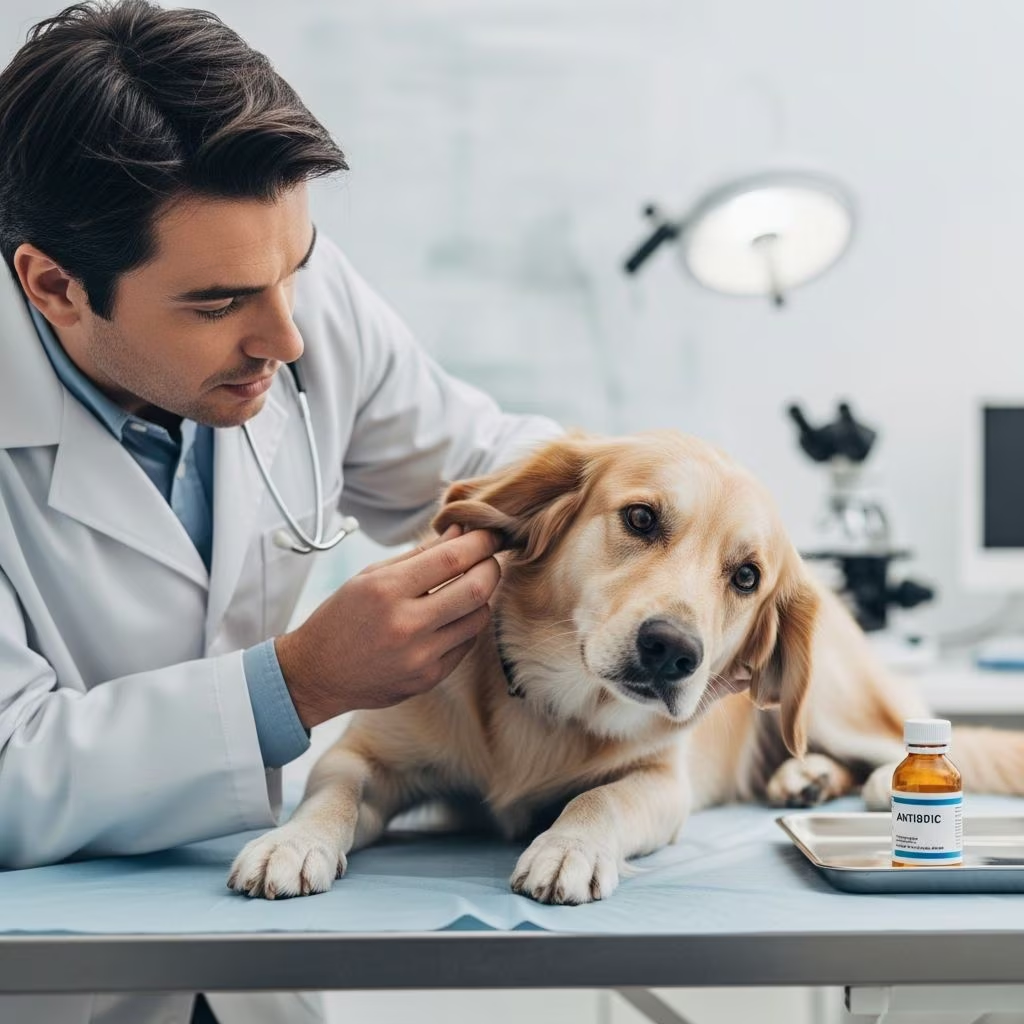
Antibiotics play a vital role in managing bacterial infections in dogs, helping to resolve conditions ranging from skin issues to serious respiratory problems. However, using medications formulated for humans can lead to severe complications due to differences in dosing, formulation, and metabolism.
Understanding Bacterial Infections in Canines
Dogs commonly encounter bacterial infections affecting various body systems. These include urinary tract infections (UTIs), skin abscesses from wounds, ear canal inflammations, gastrointestinal disturbances, and respiratory tract issues. Recognizing symptoms early—such as lethargy, fever, discharge, or foul odors—allows for timely intervention.
Not all infections require antibiotics; viral or fungal causes demand different approaches. Veterinarians diagnose through physical exams, lab tests like cultures, or imaging to confirm bacterial involvement and select targeted therapy.
Differences Between Human and Veterinary Antibiotics
While some antibiotics share active ingredients across species, human versions differ significantly from those prescribed for dogs. Human tablets often contain higher concentrations unsuitable for canine physiology, plus additives like xylitol—a toxic sweetener for dogs—or artificial flavors that cause gastrointestinal upset.
| Aspect | Human Antibiotics | Veterinary Antibiotics |
|---|---|---|
| Dosage Strength | High concentrations for adult humans | Adjusted per kg of dog body weight |
| Additives | Xylitol, dyes, preservatives | Pet-safe formulations |
| Availability | Prescription-only for humans | Vet prescription required |
| Safety Profile | Risk of toxicity/overdose | Tested for canine metabolism |
These disparities make self-administration dangerous, potentially leading to under-dosing, which fosters resistance, or overdosing, causing organ damage.
Which Antibiotics Are Vet-Approved for Dogs?
Veterinarians prescribe specific antibiotics based on the infection type, bacterial sensitivity, and your dog’s health history. Common options include:
- Amoxicillin: Effective against skin, soft tissue, urinary, and respiratory infections. Safe when dosed correctly by a vet.
- Cephalexin: Used for skin and wound infections; a first-generation cephalosporin with broad activity.
- Doxycycline: Targets respiratory, tick-borne, and urinary infections; useful for intracellular bacteria.
- Clindamycin: Ideal for dental, bone, and anaerobic infections.
- Enrofloxacin: Fluoroquinolone for complicated UTIs and skin issues, but used cautiously in puppies.
Always obtain these through a veterinary prescription. Over-the-counter options are limited to topical ointments for minor wounds.
Risks and Dangers of Self-Medicating Dogs
Administering human antibiotics without guidance invites multiple hazards. Incorrect dosing fails to eradicate bacteria fully, promoting resistant strains that complicate future treatments.
Potential dangers include:
- Toxicity from excipients like xylitol, causing hypoglycemia or liver failure.
- Allergic reactions: Hives, swelling, or anaphylaxis requiring emergency care.
- Masking underlying issues: Antibiotics won’t treat non-bacterial conditions, delaying proper care.
- Gut microbiome disruption: Leading to secondary yeast infections or chronic diarrhea.
In emergencies, contact a vet or animal poison control immediately if human meds have been given.
Recognizing and Managing Side Effects
Even vet-prescribed antibiotics can cause adverse reactions, though most are mild. Monitor your dog closely during treatment.
Common side effects:
- Appetite loss or nausea.
- Vomiting or loose stools.
- Increased drooling or lethargy.
Severe signs warrant urgent vet attention:
- Difficulty breathing, facial swelling, or collapse (anaphylaxis).
- Bloody diarrhea or persistent vomiting.
- Seizures or jaundice indicating liver stress.
To mitigate issues, administer with food, use probiotics for gut health, and never skip doses. Complete the full course to prevent relapse.
The Growing Threat of Antibiotic Resistance
Antibiotic resistance occurs when bacteria evolve to survive drugs, rendering standard treatments ineffective. Misuse in pets contributes to this global crisis, as resistant strains spread between animals and humans.
Key contributors in veterinary care:
- Inappropriate use without diagnosis.
- Incomplete treatment courses.
- Over-reliance on broad-spectrum drugs.
Prevention strategies emphasize stewardship: Vets now use culture-guided therapy and narrower-spectrum options when possible. Pet owners support this by avoiding OTC meds and following prescriptions precisely.
Best Practices for Administering Dog Antibiotics
Follow these guidelines to ensure safety and efficacy:
- Consult a vet first: Describe symptoms accurately for proper diagnosis.
- Adhere to dosing: Use provided syringes or pillers; calculate by weight.
- Complete the course: Even if symptoms improve early.
- Store properly:
- Monitor progress: Report lack of improvement after 48-72 hours.
- Dispose responsibly: Return unused meds to vet or pharmacy take-back programs.
Cool, dry place away from food.
Probiotics and hydration support recovery.
Alternatives to Traditional Antibiotics
For mild cases or adjunct therapy, consider vet-recommended options:
- Topical treatments: Ointments for localized skin infections.
- Immunotherapy: Vaccines preventing certain bacterial diseases.
- Natural supports: Manuka honey for wounds (vet-approved), or herbal antimicrobials like oregano oil in low doses.
- Prophylactic care: Regular grooming, dental hygiene, and flea control reduce infection risks.
These never replace antibiotics for confirmed bacterial infections.
When to Seek Emergency Veterinary Care
Act fast if your dog shows:
- High fever (>103°F), severe pain, or collapse.
- Signs of sepsis: Rapid breathing, pale gums, confusion.
- Deep wounds, abscesses, or infected surgical sites.
- Persistent symptoms despite home care.
Telemedicine apps offer initial advice, but in-person exams are ideal for prescriptions.
Frequently Asked Questions (FAQs)
Can I give my dog amoxicillin from my prescription?
No. Even if the active ingredient matches, dosing and additives differ, risking harm. Get a vet-specific script.
How long do dog antibiotics take to work?
Improvement often seen in 2-3 days, but finish the full course (7-14 days typically).
Are there OTC antibiotics for dogs?
Limited to topical creams; oral requires prescription.
What if my dog vomits after a dose?
Contact vet; they may adjust timing or switch meds.
Can antibiotics cause yeast infections in dogs?
Yes, by disrupting gut flora; probiotics help prevent this.
Preventing Infections Proactively
Strong immunity and hygiene minimize antibiotic needs:
- Balanced diet with omega-3s for skin health.
- Regular vet check-ups and vaccinations.
- Clean environment, prompt wound care.
- Parasite prevention year-round.
Early detection through routine exams saves lives and reduces resistance risks.
References
- Antibiotics for Dogs: Uses, Safety, Side Effects and More — Vetic. 2023. https://vetic.in/blog/pet-health/antibiotics-for-dogs-uses-safety-side-effects-and-best-practices/
- Can Dogs Take Human Antibiotics — Embrace Pet Insurance. 2023. https://www.embracepetinsurance.com/waterbowl/article/what-human-antibiotics-can-i-give-my-dog
- Human Amoxicillin for Dogs: Emergency Risks & Safer Alternatives — GSVS. 2023. https://gsvs.org/blog/human-amoxicillin-for-dogs-emergency-dangers/
- What Types of Antibiotics Can You Give Dogs? — Pet Releaf. 2023. https://petreleaf.com/blogs/blog/what-antibiotics-can-you-give-dogs
- Amoxicillin for Dogs: Uses, Dosage, Side Effects — GoodRx. 2025-01-15. https://www.goodrx.com/pet-health/dog/amoxicillin-for-dogs
- Can Dogs Take Human Antibiotics? — Pawp. 2023. https://pawp.com/can-dogs-take-human-antibiotics/
- What to Know About Antibiotics for Dogs — WebMD. 2024. https://www.webmd.com/pets/dogs/what-to-know-about-antibiotics-for-dogs



