

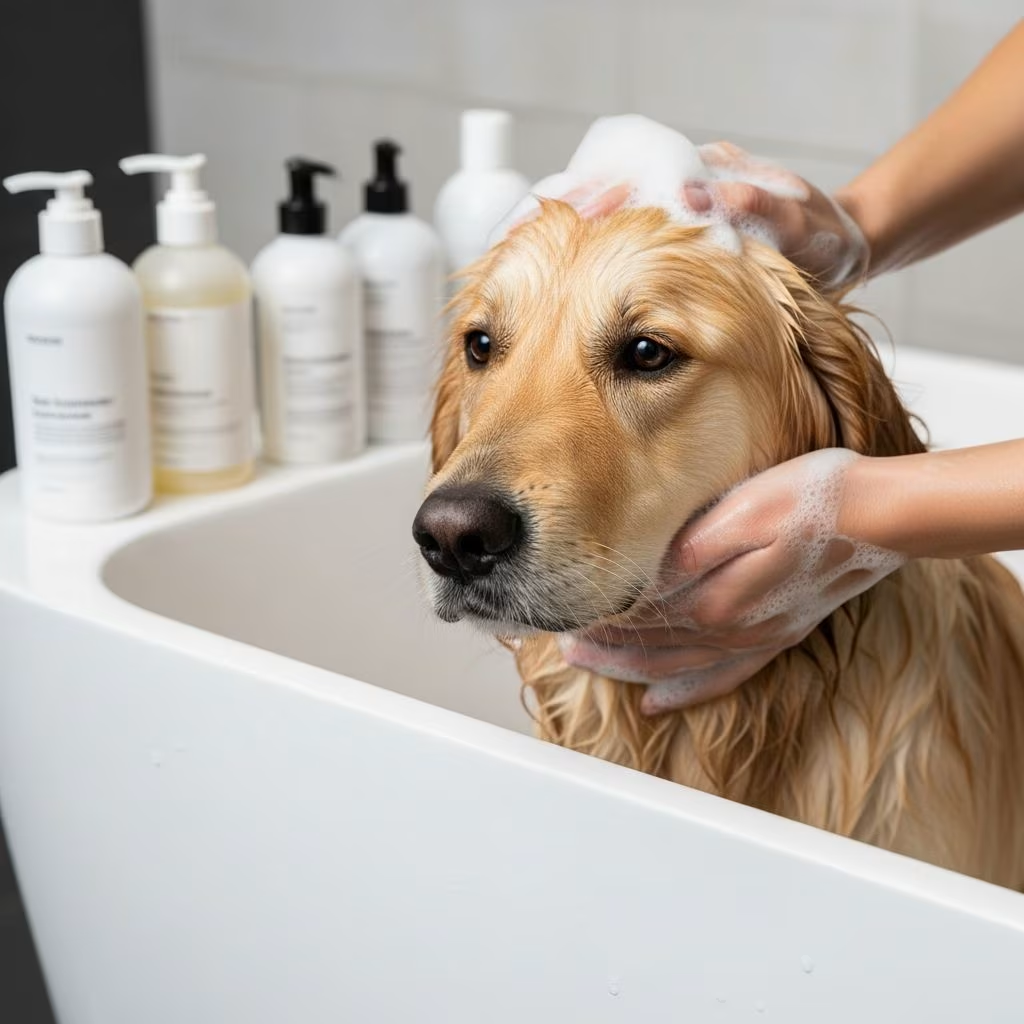
Antibacterial cleansers formulated for dogs help manage bacterial skin issues without harming their sensitive skin barrier. Unlike human products, pet-specific options maintain the proper pH balance and target infections effectively.
Understanding Canine Skin and Bacterial Challenges
Dogs possess skin with a distinct pH level, typically around 6.2 to 7.5, which differs from human skin’s more acidic mantle. This natural barrier protects against pathogens, but disruptions from allergies, injuries, or parasites can lead to bacterial overgrowth like pyoderma. Common signs include redness, itching, hair loss, odor, and moist lesions known as hot spots.
Bacterial infections thrive in warm, moist environments created by excessive licking or scratching. Superficial pyoderma affects the skin’s surface, while deeper forms penetrate hair follicles. Early intervention with appropriate cleansers prevents escalation to chronic conditions.
Risks of Using Human Antibacterial Soaps on Dogs
Human antibacterial soaps, often containing triclosan or harsh detergents, are alkaline and disrupt a dog’s skin pH, leading to dryness, irritation, and worsened infections. Triclosan, a common additive, poses risks of endocrine disruption and organ toxicity with prolonged exposure, accumulating in pets’ bodies.
These products lack the emollients needed for canine coats, stripping natural oils and compromising the protective barrier. Veterinary experts strongly advise against their use, as they may exacerbate allergies or parasites mistaken for infections.
Veterinarian-Recommended Antibacterial Agents
Chlorhexidine stands out as a gold-standard topical antiseptic in dog shampoos and wipes, effectively targeting bacteria and fungi without excessive drying when used as directed. Povidone-iodine offers broad-spectrum antimicrobial action, excelling in low-water scenarios for working dogs.
Benzoyl peroxide and ethyl lactate provide keratolytic benefits, loosening crusts in pyoderma cases. These ingredients come in varying concentrations (e.g., 2-4% chlorhexidine), with vets tailoring strength to the condition’s severity.
When to Reach for Antibacterial Cleansers
- Skin Infections (Pyoderma): Use medicated shampoos to reduce bacterial load and clear debris, shortening treatment time.
- Hot Spots: Apply to inflamed, moist areas on limbs, neck, or hips for quick relief and healing.
- Post-Surgery Care: Lowers infection risk around incisions by minimizing surface bacteria.
- Allergy-Related Secondary Infections: Manages bacteria from self-trauma while addressing primary allergies.
- Decontamination in Field Conditions: Povidone-iodine wipes for working dogs in disaster zones.
Always secure a veterinary diagnosis first, as fungal issues or mites require different treatments.
How to Select and Apply Dog-Safe Cleansers
Opt for pH-balanced formulas with natural soothers like aloe vera, oatmeal, or vitamin E. Avoid shampoos listing formaldehyde, isopropyl alcohol, cocamide MEA, or ethanolamines, which irritate or toxify. Vet recommendation ensures compatibility with your dog’s breed, coat type, and health history.
| Ingredient | Benefits | Best For | Water Needs |
|---|---|---|---|
| Chlorhexidine | Antibacterial, antifungal | Infections, hot spots | Moderate rinse |
| Povidone-Iodine | Broad antimicrobial | Decontamination, low water | Low rinse |
| Benzoyl Peroxide | Keratolytic, antibacterial | Pyoderma with crusts | Full rinse |
| Dish Soap (Emergency) | Oil removal, flea kill | Fleas only, not routine | Full rinse |
Application Steps:
- Wet coat thoroughly with lukewarm water.
- Lather shampoo, massaging into affected areas for 5-10 minutes.
- Rinse completely to prevent residue irritation.
- Frequency: 2-3 times weekly or as vet-prescribed; taper off as symptoms improve.
Monitor for reactions like increased redness; discontinue and consult vet if seen.
Preventing Skin Issues Through Routine Care
Regular brushing removes debris, while moisturizing shampoos maintain coat health. A balanced diet rich in omega-3s supports skin integrity. Control fleas and manage allergies promptly to avert secondary bacteria.
For working or outdoor dogs, field-test proven wipes in low-resource settings without barrier damage. Avoid overbathing, which dries skin; monthly baths suffice for most.
Common Myths About Dog Cleansing
- Myth: Human soap is fine occasionally. Fact: Even once can alter pH long-term.
- Myth: Stronger concentration is better. Fact: Higher strengths irritate; follow vet dosing.
- Myth: Antibacterial for all itches. Fact: Itch often stems from allergies, not bacteria.
Frequently Asked Questions (FAQs)
Is dish soap safe for dogs?
In flea emergencies, yes as a one-time oil remover, but it disrupts pH—not for bacteria or routine use.
Can antibacterial shampoos cure allergies?
No, they treat secondary infections only; allergy meds are needed for root causes.
How often should I bathe a dog with skin issues?
Vet-directed, typically twice weekly during active treatment, then maintenance.
What if my dog licks the shampoo?
Most pet formulas are safe if rinsed; bitter agents deter licking.
Are natural alternatives effective?
Oatmeal soothes but lacks antibacterial power; combine with vet meds for infections.
Long-Term Skin Health Strategies
Integrate cleansers into holistic care: environmental allergen reduction, flea preventives, and annual vet dermatology checks. Breeds like Bulldogs or Retrievers prone to folds need targeted wiping. Track progress with photos for vet consultations.
Research shows cleansers like povidone-iodine preserve barrier function despite pH shifts, vital for repeated field use.
References
- Is it safe to use antibacterial soap on my dog if they have a skin irritation? — Dial A Vet. 2023. https://www.dialavet.com/vet-answers/dog-skin-irritation-antibacterial-soap-9057
- The Low Down on the Wipe Down for Working Dogs — AKC Canine Health Foundation. 2023. https://www.akcchf.org/breakthrough/the-low-down-on-the-wipe-down/
- Why and When to Use Antibacterial Shampoo for Your Dog — PetCareRx. 2023. https://www.petcarerx.com/article/why-and-when-to-use-antibacterial-shampoo-for-your-dog/7055
- Can I Wash My Dog With Soap? — American Kennel Club. 2023. https://www.akc.org/expert-advice/health/can-i-wash-my-dog-with-soap/
- The Most Toxic Ingredients in Dog Shampoo and How to Avoid Them — Doglyness. 2023. https://www.doglyness.com/blogs/news/the-most-toxic-ingredients-in-dog-shampoo-and-how-to-avoid-them



