

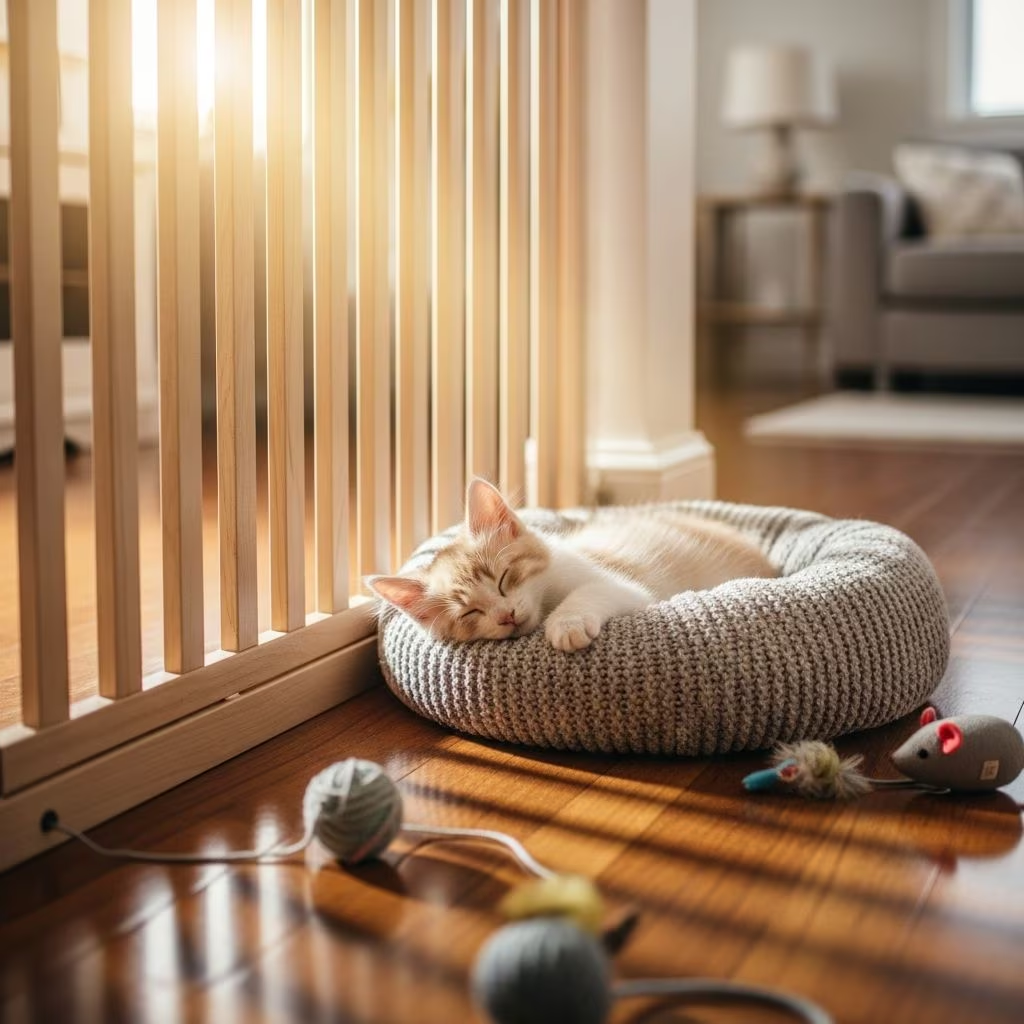
Determining how long you can leave a kitten home alone depends on its age, personality, and the safety measures in place. Young kittens under 12 weeks need near-constant attention, while older ones can handle brief separations with proper preparation.
Age-Based Guidelines for Solo Time
Kittens develop rapidly, but their needs for supervision decrease gradually as they mature. Veterinary experts outline clear timelines based on developmental stages.
| Age Group | Maximum Alone Time | Key Considerations |
|---|---|---|
| Under 12 weeks | Not recommended beyond 1-2 hours | Need frequent feeds, litter training, and socialization |
| 12-16 weeks | 2-4 hours | Building independence; monitor for accidents |
| 4-6 months | 4-6 hours | More self-reliant but still playful and curious |
| Over 6 months | Up to 8-12 hours (with setup) | Adult-like routines possible if needs are met |
These limits prioritize health risks like dehydration or injury. Always prioritize shorter durations initially.
Essential Kitten-Proofing Steps
Creating a hazard-free environment is non-negotiable before any absence. Kittens explore with mouths and claws, turning homes into adventure zones.
- Secure cords and wires: Tape down or cover electrical cords to prevent chewing and shocks.
- Remove toxins: Store plants, cleaners, and medications out of reach; many household items are poisonous to cats.
- Block dangers: Close windows, secure balconies with nets, and gate off stairs or high ledges.
- Counter deterrents: Use foil, tape, or citrus sprays on surfaces kittens target.
- Small object sweep: Eliminate swallowable items like elastics, strings, or small toys.
Focus on one or two rooms initially for containment and control.
Setting Up a Secure Sanctuary Space
A dedicated ‘kitten zone’ provides security during absences. This contained area mimics a safe den, reducing anxiety.
Ideal features include:
- Fresh water in a stable bowl or fountain.
- Litter box: One per kitten, scooped daily; add extras for choice.
- Bedding with familiar scents, like your worn clothing, for comfort.
- Natural light and ventilation for a comfortable temperature.
For longer outings, automatic feeders dispense meals on schedule, preventing overeating. Cozy hides like boxes or cat trees offer retreat spots.
Pre-Departure Routines for Calm
Preparation eases transitions. A consistent routine signals normalcy.
- Play to exhaustion: Vigorous sessions with toys like lasers or balls tire kittens out, promoting naps.
- Quiet wind-down: Dim lights and soft radio tunes mask silence.
- Casual exits: Avoid dramatic goodbyes; practice short leaves to build tolerance.
- Gradual extension: Start at 10-15 minutes, increasing slowly to avoid distress.
Socialization through daily bonding makes alone time less daunting.
Enrichment to Prevent Boredom
Bored kittens turn destructive. Enrichment sustains engagement.
- Interactive toys: Puzzle feeders, catnip mice, or dangling strings.
- Window perches: Bird-watching views entertain endlessly.
- Scratching posts: Satisfy natural urges.
- Rotation: Swap toys weekly to maintain novelty.
Avoid leaving strings unsupervised to prevent entanglement.
Signs of Separation Distress
Monitor for anxiety indicators post-return.
- Excessive vocalizing or pacing.
- Litter avoidance or inappropriate elimination.
- Damaged furniture or scattered items.
- Hiding or over-attachment upon reunion.
If persistent, shorten absences or consult a vet for behavioral advice.
Tech and Helper Solutions for Extended Absences
Pet cams with two-way audio allow check-ins and soothing words remotely. For over 4-6 hours:
- Pet sitters: Scheduled visits for feeds, play, and cleanups.
- Neighbors: Trusted friends for welfare checks.
- Daycare: Supervised facilities for socialization.
Never exceed 24 hours without oversight, even for older kittens.
Nutrition and Hydration Essentials
Access to sustenance is critical.
- Water: Multiple bowls or fountains encourage drinking.
- Food: Age-appropriate portions; timed dispensers for multiples.
- Monitoring: Weigh weekly to track intake.
Kittens under 4 months need 4-6 small meals daily.
Building Long-Term Independence
From 6 months, foster autonomy with routines: play, meals, litter, rest. Perches and solo toys build confidence. Balance interaction with space—cats value privacy.
Frequently Asked Questions
Can I leave my 8-week-old kitten alone overnight?
No. They require hourly-like care for feeding and elimination.
What’s the best room for confinement?
Bathroom or laundry: easy-clean floors, contained space.
How do I know if my kitten is ready for longer alone time?
Test with short trials; no distress or messes signal progress.
Should I use a crate?
Only briefly for transport; spacious rooms preferred for welfare.
What if my kitten has separation anxiety?
Gradual training, pheromone diffusers, or vet-prescribed aids.
References
- Leaving a Kitten Home Alone for the First Time — Edgewater Vet. 2024-08-30. https://www.animal-general.com/site/blog/2024/08/30/leaving-kitten-alone-first-time
- Tips for Leaving Your New Kitten Home Alone — Faithful Friends Vet Clinic. N/A. https://faithfulfriendsvetclinic.com/tips-for-leaving-your-new-kitten-home-alone/
- Tips For Leaving a Kitten Home Alone For The First Time — Sharon Lakes Animal Hospital. 2023-05-15. https://www.sharonlakes.com/site/blog-south-charlotte-vet/2023/05/15/kitten-home-alone-first-time
- Tips For Leaving Your Kitten Home Alone — Petbarn. N/A. https://www.petbarn.com.au/petspot/kitten/behaviour-and-training-kitten/leaving-your-kitten-home-alone/
- How Long Can You Leave Cats Alone? — Hill’s Pet Nutrition. N/A. https://www.hillspet.com/cat-care/new-pet-parent/leaving-a-cat-home-alone-safely
- Leaving your kitten home alone — Royal Canin AU. N/A. https://www.royalcanin.com/au/cats/kitten/leaving-a-kitten-home-alone



