

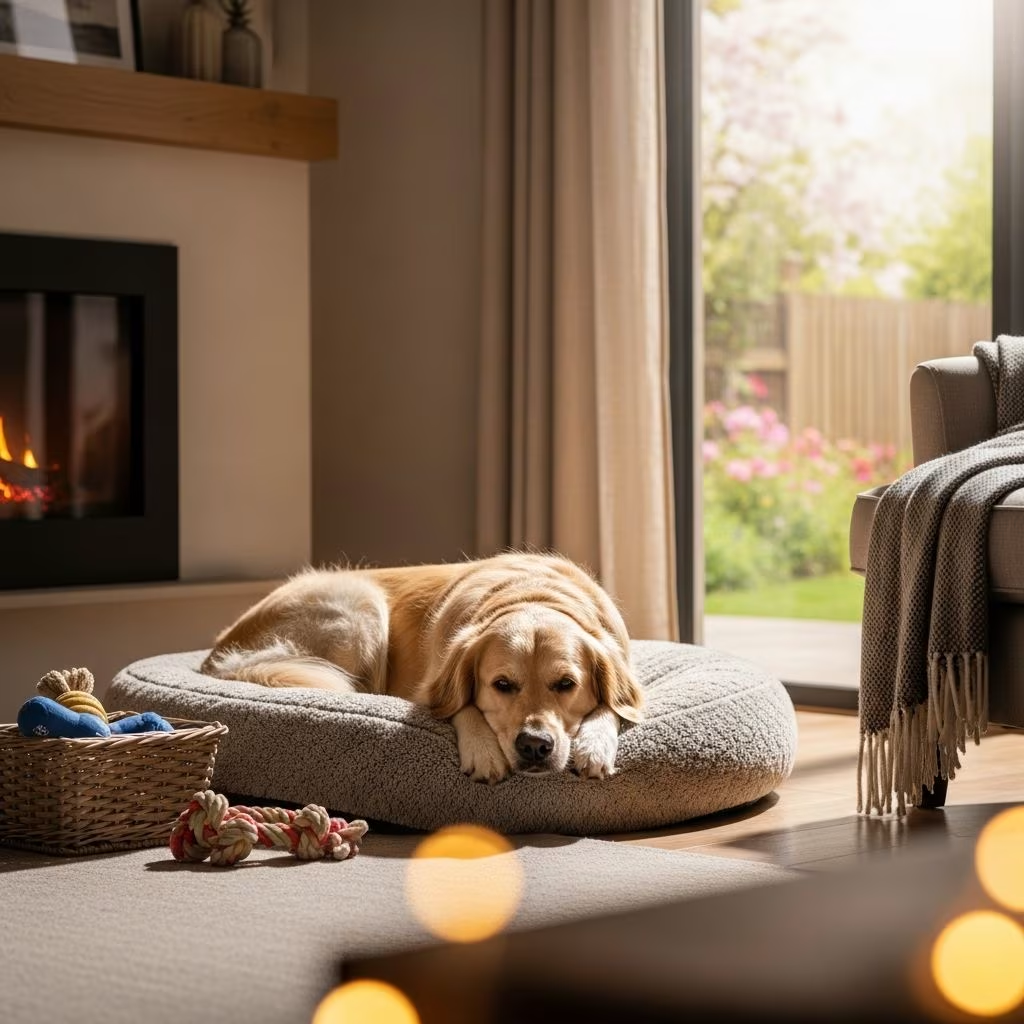
Dogs thrive on companionship, but modern life demands occasional separations. Understanding your dog’s tolerance for alone time prevents behavioral issues, health risks, and household damage. Factors like age, breed, and training determine safe durations, with puppies needing frequent check-ins and adults handling longer stretches under optimal conditions.
Age-Based Limits for Leaving Dogs Alone
Different life stages dictate varying capacities for solitude. Puppies under six months possess limited bladder control and heightened vulnerability to anxiety, restricting unsupervised time to short intervals.
- Puppies (under 6 months): Limit to 2-3 hours maximum to avoid accidents and distress. Gradual training builds confidence.
- Young adults (6-18 months): Extend to 3-4 hours as potty training solidifies, but monitor for destructive tendencies.
- Mature adults (2+ years): Most tolerate 4-6 hours comfortably, with many adapting to 8 hours if provided space and stimulation.
Overnight, healthy adults manage 8-10 hours during sleep cycles, assuming prior daytime relief. These benchmarks derive from veterinary consensus emphasizing physiological needs and psychological well-being.
Breed Differences in Independence
Not all dogs cope equally with isolation. Breeds bred for independence or watchdog roles often excel solo, while companion breeds crave constant interaction.
| Breed Group | Examples | Alone Time Tolerance | Key Traits |
|---|---|---|---|
| Independent/Working | Basset Hound, Chihuahua | High (6-8+ hours) | Low maintenance, self-entertaining |
| Companion/Lap Dogs | French Bulldog, Pug | Moderate (4-6 hours) | Affectionate, prone to anxiety |
| High-Energy Herders | Border Collie, Australian Shepherd | Low (2-4 hours) | Needs mental/physical outlets |
Select breeds like Chihuahuas adapt well due to small size and lower exercise demands, per veterinary observations. Always assess individual temperament over generalizations.
Creating a Secure Environment Indoors
Proofing your home minimizes risks during absences. Common hazards include counter-surfing, toxic ingestions, and escape attempts.
- Secure cabinets with child-proof latches to block cleaners and trash access.
- Remove or store edibles, medications, and small objects that tempt chewing.
- Opt for durable rubber toys over plush ones to resist shredding.
- Close and lock windows to prevent falls or escapes; use limited-opening vents if ventilation is needed.
Technology enhances oversight: GPS collars track movements, while cameras dispense treats remotely, fostering positive associations.
Crate Training and Confinement Strategies
Crates offer a den-like sanctuary, ideal for preventing mishaps in anxious or destructive dogs. Introduce positively with treats and short sessions.
- Choose a spacious crate allowing stand-stretch-turn comfort.
- Build tolerance incrementally: Start at 5-10 minutes, progressing to hours.
- Combine with midday breaks via walkers for 8-hour days.
Alternatives include exercise pens or gated rooms, dog-proofed thoroughly. Never exceed 8 hours crated without relief.
Handling Multiple Dogs
Household packs introduce dynamics like resource guarding or scuffles. Separation mitigates injuries.
- Use gates or crates to isolate during absences if tensions exist.
- Provide individual toys to avoid competition.
- Observe interactions; harmonious groups may share space.
Veterinarians recommend this precaution for safety.
Combating Separation Anxiety
Affecting up to 20% of dogs, this condition manifests as vocalizing, destruction, or elimination when alone. Early signs warrant intervention.
Desensitization protocols involve:
- Short departures with calm exits/entries—no fanfare.
- Treat-dispensing toys like KONGs to redirect focus.
- Background noise from radios or pet-specific speakers for comfort.
Once tolerating 90 minutes, extend to 4-8 hours. Severe cases may need professional behaviorists.
Outdoor Considerations and Risks
Never leave dogs unsupervised in yards. Escape, weather extremes, and isolation amplify dangers like heatstroke or theft.
- Indoor confinement trumps outdoor tethering.
- For potty breaks, schedule pre/post-departure walks.
Hot pavements burn paws; cold snaps risk hypothermia.
Enrichment and Routine for Mental Health
Boredom fuels mischief. Rotate puzzles, chews, and sniff mats to engage senses.
| Enrichment Type | Examples | Benefits |
|---|---|---|
| Food-Based | KONG with peanut butter, puzzle feeders | Prolongs meals, reduces counter-surfing |
| Physical | Indestructible balls, rope toys | Channels energy safely |
| Sensory | Snuffle mats, classical music | Calms nerves, stimulates foraging |
Maintain consistent schedules for feeding and relief to build security.
Professional Support Options
Extended workdays necessitate help: Dog walkers (midday relief), daycare (socialization), or sitters provide breaks. Even weekly sessions alleviate cumulative stress.
Frequently Asked Questions
How long can a puppy stay alone?
Under 6 months: 2-3 hours max, prioritizing bladder needs and anxiety prevention.
Is 8 hours too long for an adult dog?
Many adapt if exercised, enriched, and checked midday; ideal is under 6 hours.
What if my dog destroys things when alone?
Crate train, enrich environment, or hire help; rule out anxiety.
Can I leave my dog in the backyard?
No—risks escape, elements, and distress make indoors safer.
How do I train for longer absences?
Incremental alone time with rewards; use cameras for progress tracking.
Conclusion: Balancing Life and Loyalty
Respecting canine social needs while meeting human schedules creates harmony. Tailor strategies to your dog’s profile, prioritizing safety and stimulation for guilt-free departures.
References
- 10 Pet Safety Tips For When Your Dog is Home Alone — PetMD. 2023-05-15. https://www.petmd.com/dog/care/10-pet-safety-tips-when-your-dog-home-alone
- Alone Time for Dogs: How Much Is Too Much? — American Kennel Club (AKC). 2024-02-10. https://www.akc.org/expert-advice/training/alone-time-dogs-how-much/
- How Long Can You Leave a Dog Alone? — Rocklin Veterinary Clinic. 2024-01-15. https://www.rocklinvet.com/site/blog/2024/01/15/how-long-can-you-leave-dog-alone
- Leaving Your Guide Dog Alone — Guide Dogs. 2023-11-01. https://www.guidedogs.com/resources/client-resources/guide-dog-class-lecture-materials/leaving-your-guide-dog-alone
- How long can you leave a dog alone? — Denver Veterinary. 2024-04-30. https://www.denvervet.com/site/blog/2024/04/30/how-long-leave-dog-alone



