
Safe Air Cargo Travel for Pets
Essential guidelines to ensure your dog or cat travels securely in airplane cargo holds with minimal stress and maximum safety.
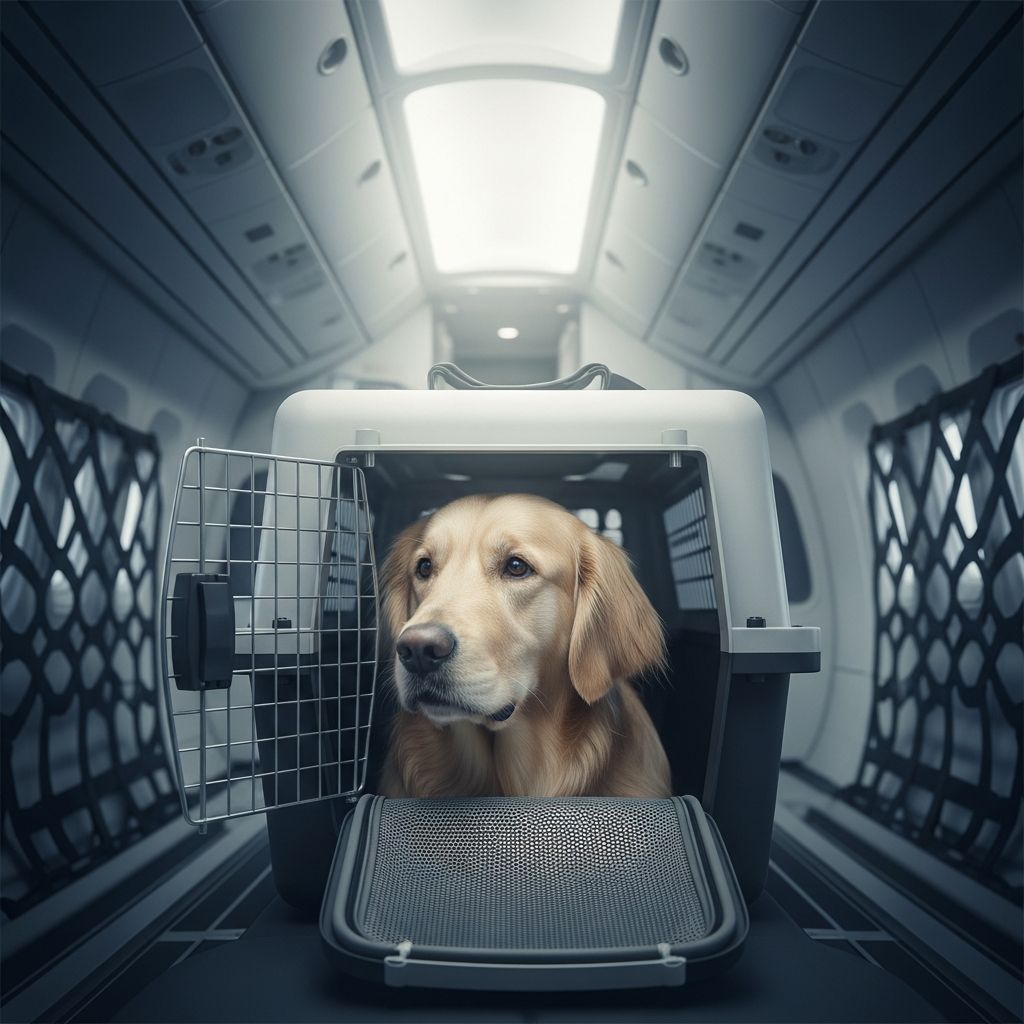
Transporting dogs or cats via airplane cargo can be a secure option when proper preparations are made, as cargo areas are pressurized, ventilated, and temperature-regulated to match cabin conditions.
Understanding Airplane Cargo Environments for Animals
Modern aircraft feature dedicated sections in the cargo hold for live animals, ensuring continuous airflow, stable pressure, and controlled temperatures throughout the flight. These zones receive fresh air from the plane’s main environmental system, preventing any buildup of fumes or hazardous substances. Pets are loaded early and unloaded first, reducing their time in the hold.
Regulations from bodies like the USDA and IATA enforce strict handling protocols, including monitoring by ground crew and pilots who are notified of animal passengers. Despite these measures, incidents can occur due to human error or extreme weather, so reviewing airline incident reports is advisable.
Choosing the Right Airline and Flight
Select carriers with strong pet policies, such as those offering PetEmbark programs for specialized care. Opt for direct flights to avoid transfer risks and delays. Travel on the same flight as your pet, request to observe loading/unloading, and inform the captain upon boarding.
Check airline-specific restrictions on breeds, sizes, and weights. Many prohibit brachycephalic breeds like bulldogs or Persians in cargo due to breathing risks. Weather embargoes often apply: no pet cargo if temperatures exceed 85°F or drop too low at origin, destination, or stops.
| Factor | Best Practices |
|---|---|
| Timing | Early morning/late evening in summer; midday in winter. |
| Breeds | Avoid snub-nosed; confirm with airline. |
| Flights | Direct, non-stop preferred. |
Health and Veterinary Preparations
A veterinary health certificate, issued within 10 days of travel, is mandatory. It verifies vaccinations, rabies status, microchip details, and fitness for flight. Puppies under 8 weeks or pregnant/nursing pets may face bans.
- Schedule a pre-travel exam to rule out respiratory or heart issues.
- Update all vaccines, including rabies titer if international.
- Include destination-specific endorsements.
Avoid sedatives; they hinder a pet’s ability to adjust to pressure changes, risking respiratory distress. Consult your vet for non-sedating anxiety aids.
Selecting and Preparing the Travel Crate
The crate is critical for safety, adhering to IATA Live Animals Regulations (LAR). It must be rigid, ventilated on all sides, secure, and sized for the pet to stand, turn, and lie naturally without touching the top.
Features include metal door latches, absorbent bedding (no towels/blankets that snag), and labels like “Live Animal” with upward arrows, feeding instructions, and owner contacts.
- Acclimate pet weeks ahead with positive reinforcement.
- Add familiar toys or scented items for comfort.
- Practice short confinements building to longer periods.
Airlines may reject non-compliant crates; soft-sided are unsuitable for cargo.
Documentation and Legal Requirements
Beyond health certificates, international travel needs USDA/APHS endorsements and import permits. Microchipping is standard for identification.
Domestic U.S. flights require airline forms; check for state-specific rabies proofs. No more than one adult pet per kennel, or two small puppies/kittens of similar size under 20 lbs.
Managing Travel Day Logistics
Arrive early for check-in. Pets go through separate cargo processing, not baggage claim. Track via airline apps if available. Provide water dishes accessible from outside and dry food for long hauls.
During layovers, pets stay in climate-controlled facilities. Dress pets in lightweight clothing if cold-sensitive, but ensure free movement.
Reducing Stress and Anxiety
Crate training mitigates fear. Play calming music or use pheromone diffusers pre-flight. Post-flight, offer quiet recovery space with familiar items.
For anxious pets, behavioral training or vet-recommended supplements help without drugs.
Breed-Specific and Size Considerations
Small pets may cabin-travel if under-seat sized (e.g., soft carriers max 18x11x11 inches). Larger ones must cargo. Brachycephalic breeds banned from cargo; cabin only if approved.
| Pet Type | Cargo Allowed? | Notes |
|---|---|---|
| Brachycephalic | No | Breathing risks. |
| Puppies <8 weeks | No | Age minimum. |
| Multiple pets | Limited | One adult per crate. |
Weather and Seasonal Strategies
Tarmac exposure is brief but risky in extremes. Airlines embargo pets if forecasts hit thresholds (e.g., >85°F/29°C). Choose optimal flight times and monitor weather apps.
Post-Arrival Care
Reunite quickly; watch for dehydration, stress signs like panting or hiding. Vet check recommended after long trips. Hydrate gradually and monitor 24-48 hours.
Frequently Asked Questions
Is cargo safer than cabin for pets?
Cargo is regulated similarly but separates from passenger noise; both safe if prepared.
Can I sedate my pet for cargo?
No, it endangers breathing regulation.
What if temperatures are extreme?
Airlines ground pets; reschedule.
Do all airlines allow pet cargo?
No, check policies; some like American have dedicated programs.
How to prepare a nervous pet?
Crate train, use calming aids, avoid new stressors.
Final Thoughts on Pet Air Travel
With thorough planning, cargo travel protects most healthy pets effectively. Research airlines, prep early, and prioritize welfare for smooth journeys.
References
- Is It Safe for Pets to Fly in Cargo? — Tailwind Global Pet. 2023. https://tailwindglobalpet.com/blog/is-it-safe-for-pets-to-fly-in-cargo/
- Travel safely with your pet — Humane Society. 2024. https://www.humaneworld.org/en/resources/travel-safely-your-pet-car-airplane-ship-or-train
- Is It Safe for Pets to Fly in Cargo? What Pet Owners Should Know — WhenPets. 2024. https://whenpets.com/blog/is-it-safe-for-pets-to-fly-in-cargo-what-pet-owners-should-know-before-air-travel
- Cabin Safety – Pets FAQ — Federal Aviation Administration. 2025-03-15. https://www.faa.gov/about/initiatives/cabin_safety/pets_faq
- Pets on Planes Lesson 2: Personnel Handling Pets in Transport — USDA APHIS. 2025. https://www.aphis.usda.gov/pet-travel/pets-on-planes/care-handling-air-travel
- Flying with a Pet — US Department of Transportation. 2025-02-10. https://www.transportation.gov/airconsumer/flying_with_pet
- Pets − Travel information — American Airlines. 2026-01. https://www.aa.com/i18n/travel-info/special-assistance/pets.jsp
- Pets & Animals — American Airlines Cargo. 2025. https://www.aacargo.com/learn/animals.html
Similar Articles








Read full bio of Sneha Tete


