
Safe 4th of July for Dogs
Expert strategies to shield your dog from fireworks terror, toxic hazards, and holiday chaos for a worry-free Independence Day.
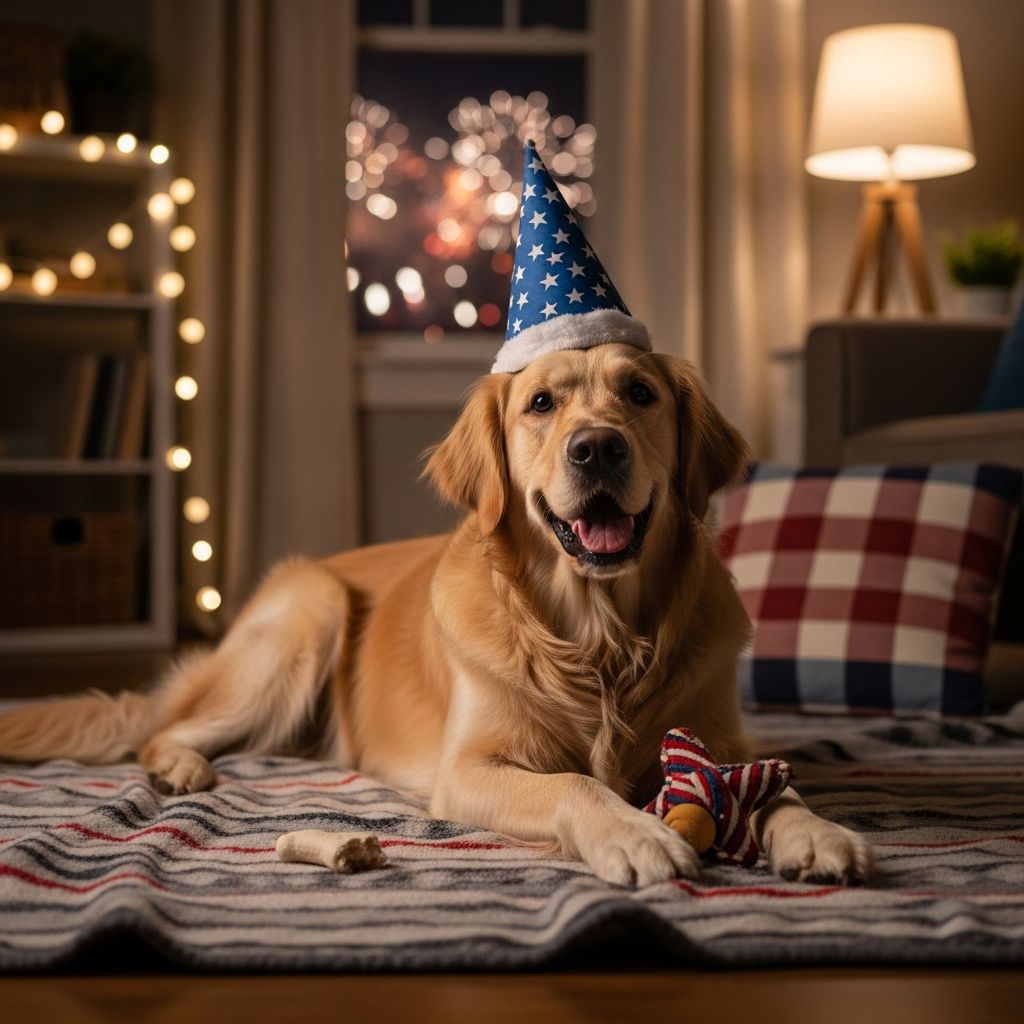
The 4th of July brings vibrant celebrations, but for dogs, the explosive sounds, unfamiliar crowds, and tempting hazards can turn joy into distress. Fireworks trigger panic in up to half of dogs, leading to escapes and shelter overloads on July 5th. This guide equips you with practical steps to ensure your canine companion remains secure and relaxed throughout the festivities.
Understanding Fireworks-Induced Fear in Dogs
Dogs possess hearing far superior to humans, detecting frequencies and volumes that fireworks amplify into terrifying booms. These unpredictable blasts mimic thunder or predators, activating a primal flight response. Surveys indicate that July 4th sees peak pet disappearances, with many never reunited due to panicked bolting through fences or doors.
Physical reactions include trembling, pacing, drooling, or destructive chewing. Even stoic breeds may unravel, as the chaos overrides training. Early recognition of your dog’s sensitivity allows proactive measures, transforming a dreaded night into a manageable one.
Pre-Holiday Preparations for Maximum Security
Start weeks ahead to build resilience and readiness. Verify identification: ensure collars fit snugly with updated tags listing your cell number, and confirm microchip details are current at your vet. A loose collar or outdated info spells disaster if escape occurs.
- Exercise intensively: Tire your dog with extended morning walks, fetch sessions, or hikes. Fatigued pups are less reactive to stressors.
- Desensitization training: Play low-volume fireworks recordings paired with treats and play. Gradually increase intensity over days using positive reinforcement to rewire fear associations.
- Stock calming aids: Acquire thunder shirts, pheromone diffusers, or vet-prescribed anxiolytics for severe cases. Consult your veterinarian for tailored options.
These steps fortify your dog’s emotional armor, reducing the odds of panic-driven mishaps.
Creating an Indoor Sanctuary During Peak Noises
The cardinal rule: never take dogs to fireworks events or leave them outdoors. Crowds, lights, and detonations overwhelm senses, prompting desperate flights. Instead, designate a fortified indoor haven.
Select a quiet room like a bathroom, laundry area, or crate lined with familiar bedding. Block external stimuli by closing windows, drawing curtains, and running fans or white noise machines. Play soothing music or TV to mask explosions.
- Cover crate with heavy blankets for a den-like feel.
- Provide long-lasting chews to occupy and comfort.
- Stay nearby if your presence soothes; mimic calm demeanor to avoid escalating tension.
For auditory relief, consider dog-safe ear muffs or cotton balls gently inserted. These havens replicate security, curbing escape attempts that have led dogs to shatter glass or gnaw doors.
Eliminating Toxic and Physical Hazards Around the Home
Holiday setups brim with perils beyond noise. Barbecues pose burn risks from hot grills, while skewers, charcoal, and lighter fluid tempt ingestion. Fireworks remnants contain corrosive chemicals; sparklers reach 2,000°F, causing severe burns.
| Hazard | Risks to Dogs | Prevention Steps |
|---|---|---|
| Fireworks/Sparklers | Chemical poisoning, burns, GI obstruction | Store locked away; supervise strictly |
| Grills/Charcoal | Burns, toxic ash inhalation | Block access; cool fully before pets near |
| Alcohol/Food Scraps | Intoxication, pancreatitis from fatty meats | Secure trash; no table scraps |
| Glow Sticks | Peroxide toxicity (vomiting, agitation) | Keep elevated or contained |
Prohibit human foods like grapes, onions, or chocolate, common at picnics. Sunscreen with zinc oxide is another hidden toxin if licked. Vigilance prevents emergency vet visits amid celebrations.
Advanced Calming Techniques and Professional Help
Beyond basics, explore layered interventions. Compression garments like thunder shirts apply gentle pressure akin to swaddling, easing anxiety in 80% of cases per user reports. Pheromone collars mimic maternal signals, promoting tranquility.
For profound fear, veterinarians recommend short-term medications like trazodone or gabapentin, safe when dosed correctly. Natural supplements such as L-theanine or CBD (vet-approved) offer milder relief. Combine methods: exercise + safe space + aids for synergistic effects.
Long-term, behaviorists advocate counter-conditioning: associating booms with rewards reshapes neural pathways. Patience yields enduring calm across holidays.
Post-Fireworks Cleanup and Recovery Protocols
Dawn after July 4th demands thorough sweeps. Yard debris—spent casings, wires, plastic—poses choking, poisoning, or laceration risks. Neighbors’ fallout drifts over fences, so inspect pastures too for livestock safety.
- Remove trash bags, cans, skewers promptly.
- Hose down surfaces to eliminate residue.
- Monitor for ingestion symptoms: vomiting, lethargy—seek vet care immediately.
Observe behavior for lingering stress; extra affection and routine restoration aids rebound. Shelters brace for intakes, underscoring prevention’s impact.
Common Myths and Facts About Holiday Pet Safety
Myth: “My dog loves car rides, so fireworks will be fine.” Fact: Novelty amplifies terror; home trumps all.
Myth: “Benadryl sedates effectively.” Fact: It rarely calms noise phobias; vet alternatives outperform.
Myth: “Outdoor dogs handle it better.” Fact: Panic overrides instincts; indoor containment saves lives.
Frequently Asked Questions
Can I give my dog over-the-counter anxiety meds?
No—human drugs risk overdose. Consult a vet for species-safe prescriptions.
What if my dog escapes despite precautions?
Search immediately with leash, treats, calm voice. Post on social media, alert shelters/microchip registry.
Is it okay to sedate my dog heavily?
Light sedation only under vet guidance; monitor breathing closely.
How early should I start desensitization?
4-6 weeks prior, with daily 10-minute sessions building tolerance.
Are there breed differences in fireworks fear?
Herding and hounds often most sensitive due to acute hearing; individuals vary widely.
Long-Term Strategies for Noise-Phobic Dogs
Transform annual dread into confidence via consistent training. Apps with thunder/fireworks tracks facilitate home practice. Enroll in canine good citizen classes emphasizing resilience. Track progress in a journal to refine approaches yearly.
Community resources like AKC webinars or AVMA guides bolster knowledge. Ultimately, proactive ownership ensures your dog associates holidays with safety, not survival.
References
- July 4 safety — American Veterinary Medical Association. 2023. https://www.avma.org/resources/pet-owners/petcare/july-4-safety
- How to Help Keep Your Dog Safe on July Fourth — American Kennel Club. 2024. https://www.akc.org/expert-advice/health/keep-dog-safe-july-fourth/
- Fourth of July fireworks: How to keep pets safe and comfortable — WRAL via YouTube. 2024. https://www.youtube.com/watch?v=N21Gs2u10OU
- 6 Ways to Help Your Dog Survive Fireworks Displays — PETA. 2023. https://www.peta.org/lifestyle/animal-companions/ways-help-survive-fireworks/
Similar Articles








Read full bio of Sneha Tete




