

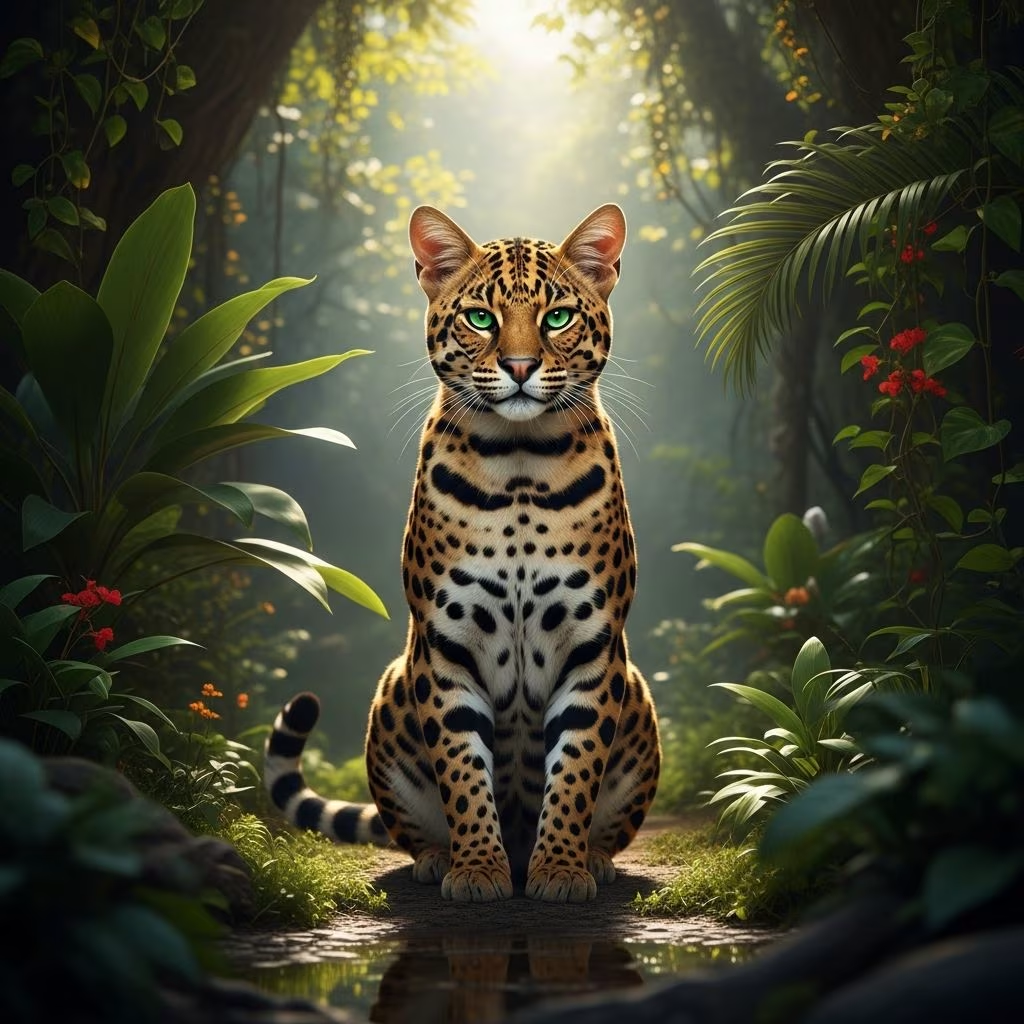
The Safari cat represents one of the most intriguing developments in feline genetics and breeding. Unlike typical domesticated cats, these remarkable animals exist at the intersection of wild and domestic heritage, carrying genetic material from two distinct species. Their origin story intertwines scientific research, genetic curiosity, and the human desire to create a truly extraordinary companion animal. Understanding the Safari cat requires exploring their unique biological makeup, historical development, and the special considerations required for their care and ownership.
The Genetic Foundation: Understanding the Cross
The Safari cat emerged from a deliberate crossing between two distinct feline species with remarkably different genetic profiles. The foundation of this hybrid involves combining the Geoffroy’s cat, a small wild felid native to South America, with the domestic house cat. This pairing creates an unusual genetic situation that defines everything about the Safari breed.
The chromosomal difference between parent species presents the most fascinating aspect of Safari genetics. The Geoffroy’s cat carries 36 chromosomes, while standard domestic cats possess 38. This difference creates an unusual outcome in their offspring, who inherit exactly 37 chromosomes. This odd chromosomal number results in several consequences that directly impact breeding success and offspring characteristics. First-generation Safari kittens often exhibit size variation that exceeds both parent species, with males potentially reaching 25 pounds or more, despite the Geoffroy’s cat parent weighing only 5-8 pounds.
The chromosomal mismatch also affects reproductive timelines. The domestic cat’s gestation period spans approximately 65 days, while the Geoffroy’s cat requires approximately 75 days. This variation compounds the already challenging nature of breeding these hybrids, making each successful litter a remarkable achievement. The combination of genetic incompatibility, different gestational periods, and variable chromosome numbers makes Safari cats exceptionally difficult to produce consistently, which directly explains their extreme rarity.
Historical Origins and Research Beginnings
The Safari cat breed did not originate from a desire to create an exotic pet. Instead, these hybrids emerged from scientific investigation with a specific medical purpose. During the late 1960s and early 1970s, researchers at Washington State University recognized that certain wild cat species demonstrated resistance to feline leukemia virus (FeLV). This biological observation prompted scientists to consider whether crossing domestic cats with wild species might transfer this resistance, potentially creating animals useful for leukemia research.
The initial crossing took place in a research laboratory setting during the 1970s, representing one of the earliest deliberate attempts to create this particular hybrid. A small number of Safari cats were bred specifically for the university’s research program, while a limited few were subsequently maintained as pets. However, the technical difficulties of producing viable offspring proved so formidable that active breeding largely ceased for an extended period.
The challenges that halted Safari breeding extended beyond the laboratory. Increased regulatory restrictions on Geoffroy’s cat ownership and trade complicated the availability of breeding animals. Additionally, the inherent difficulties of cross-species reproduction made commercial breeding economically unfeasible. For many years, the Safari cat existed as a virtually unknown curiosity, with only around 70 individuals registered by the International Cat Association (TICA) representing the entire global population.
Physical Characteristics and Distinctive Appearance
Safari cats possess a distinctly wild aesthetic that immediately sets them apart from conventional domestic felines. Their appearance reflects their genetic heritage, combining elements inherited from both parent species while creating something altogether unique.
Coat and Coloration
The Safari cat displays a short-haired coat with distinctive spotted patterns characteristic of small wild cats. The spotted tabby markings often appear as paw prints or rosettes, creating a luxurious and visually striking appearance. While no official color standard exists for the breed due to their rarity, Safari cats typically feature spotted patterns rather than solid coloring, emphasizing their wild ancestry. Their coat requires minimal grooming despite its exotic appearance, reflecting the short-haired genetics inherited from their domestic cat parentage.
Facial and Head Structure
The Safari cat’s head displays distinctly wild characteristics that immediately evoke their Geoffroy’s cat heritage. They possess a broad, blocky head shape quite different from typical domestic cats. Their ears are notably smaller and more rounded than standard domestic feline ears, resembling their wild parent rather than the larger, more pointed ears common in house cats. The nose appears wide and blunt, contributing to their distinctive wild appearance. Overall, the facial structure conveys a powerful, intense expression that reflects their exotic genetic foundation.
Body Structure and Size
Safari cats display a muscular, compact body type inherited from the Geoffroy’s cat parent. Their physique appears more robust and powerful than typical domestic cats, reflecting their wild ancestry. The chromosomal combination that creates 37-chromosome offspring often results in first-generation animals exceeding both parent species in size, a phenomenon known as hybrid vigor. This means a Safari kitten produced from a small Geoffroy’s cat and a medium-sized domestic cat may ultimately grow significantly larger than either parent.
The overall appearance creates an unmistakable impression of a diminutive wild cat rather than a conventional domestic pet. This exotic look forms a primary appeal for individuals attracted to the Safari breed, as they offer the visual drama of wild felines with the theoretical manageability of domestic cats.
Behavioral Traits and Temperament
Understanding Safari cat behavior requires acknowledging the generational difference inherent to hybrid animals. First-generation (F1) Safari cats retain significantly more wild characteristics than subsequent generations (F2, F3, etc.), with behavioral traits gradually shifting toward domestic patterns across successive generations.
Early-generation Safari cats often display stronger tendencies toward independent physical activity rather than seeking constant human affection. However, anecdotal evidence from Safari owners suggests these animals possess a notably affectionate nature despite their wild genetic component. They typically enjoy interactive play sessions that stimulate their natural hunting instincts and provide adequate physical activity. Many Safari cats demonstrate a particular enjoyment of water-based activities, including swimming, which distinguishes them from many conventional domestic breeds.
Safari cats demonstrate climbing ability inherited from their Geoffroy’s cat ancestry, whose natural behaviors include hunting from elevated positions. This inclination toward vertical spaces means they particularly benefit from climbing structures, cat trees, and elevated resting areas. The breed’s physical athleticism and high energy levels require owners committed to providing substantial daily enrichment and interactive engagement to prevent behavioral issues stemming from boredom or understimulation.
Health Considerations and Genetic Implications
The unusual genetic foundation of Safari cats creates both benefits and potential challenges for their health and wellbeing. The original motivation for creating these hybrids—potential resistance to feline leukemia virus—remains one of their most significant health-related advantages. However, the chromosomal incompatibility that defines their existence introduces reproductive and genetic complications that responsible owners should understand.
The 37-chromosome makeup creates challenges for breeding success. Litters often contain fewer viable kittens than expected from domestic cats, and fertility in Safari cats may be compromised compared to purebred felines. Additionally, the genetic mixing between species can result in variable health outcomes across individual animals. Prospective owners should ensure any Safari cat they acquire comes from a reputable breeder with documented health testing and genetic screening protocols.
Like their domestic cat relatives, Safari cats require routine veterinary care including vaccination, parasite prevention, and regular health monitoring. Their hybrid status does not excuse them from these standard feline healthcare requirements. The combination of wild and domestic genetics means they may require veterinarians experienced with exotic cats, though they are considerably less demanding than full wild cat species.
Care Requirements and Environmental Needs
Living Space and Environmental Enrichment
Safari cats require more space and environmental stimulation than typical domestic house cats. Their hybrid vigor and athletic heritage mean they benefit from larger living environments with multiple vertical levels, climbing opportunities, and interactive elements. A dedicated space with cat trees, climbing shelves, and window perches addresses their instinctive needs for elevation and observation.
Exercise and Play
Daily interactive play sessions form an essential component of Safari cat care. These animals possess hunting instincts and physical capabilities that demand regular activation through play. Owners should allocate substantial daily time for interactive games, puzzle feeders, and activities that stimulate both physical and mental engagement. The breed’s enjoyment of water means some owners incorporate water play or swimming opportunities into their enrichment routine.
Social Interaction
Despite their wild appearance and heritage, Safari cats typically form strong bonds with human companions and family members. They respond well to regular social interaction and may struggle with extended periods of isolation. Owners considering a Safari cat should ensure they have adequate time for daily engagement and companionship.
Rarity, Availability, and Ownership Considerations
The Safari cat remains extraordinarily rare, with only approximately 70 animals registered with TICA representing the global population. This rarity significantly impacts availability and cost. Prospective owners should expect substantial difficulty locating Safari cats available for purchase, as few breeders currently work with the breed. The technical challenges of producing viable offspring make breeding programs economically challenging and logistically complex.
Potential ownership also involves navigating regulatory considerations. Some jurisdictions impose restrictions or special permits for hybrid cat ownership, particularly first-generation animals with substantial wild genetics. Individuals interested in acquiring a Safari cat should investigate local regulations governing exotic and hybrid animal ownership before proceeding.
The cost of Safari cats reflects their rarity, genetic complexity, and the specialized breeding expertise required. Animals from reputable breeders typically command premium prices compared to conventional domestic breeds. This investment should only be undertaken by individuals genuinely committed to providing appropriate care and prepared to manage the unique requirements these extraordinary animals demand.
Generational Differences in Safari Cats
The designation of generations (F1, F2, F3, etc.) carries significant importance for understanding individual Safari cats. F1 generation animals represent direct offspring from Geoffroy’s cat and domestic cat pairings, containing 50% genetics from each parent species. These animals typically display the most pronounced wild characteristics and may present the greatest challenges in terms of behavior and socialization.
F2 and subsequent generations contain progressively reduced percentages of Geoffroy’s cat genetics, resulting in animals that gradually shift toward domestic behavioral patterns. However, they retain the distinctive spotted appearance and exotic look that attracts owners to the breed. Generation designation should be clarified during any inquiries with breeders, as animal suitability varies significantly based on genetic composition.
The Geoffroy’s Cat Heritage
Understanding Safari cats requires appreciating their wild ancestor. The Geoffroy’s cat (Leopardus geoffroyi) inhabits South America and represents a small but formidable felid. These solitary, primarily terrestrial hunters pursue rodents, reptiles, birds, and insects across their natural range. Geoffroy’s cats display remarkable climbing abilities, and anecdotal reports describe their ability to walk upside down along branches and hang by their hind feet. These wild behaviors and physical capabilities are genetically inherited by Safari cats, influencing their temperament and activity needs.
Future Prospects for the Breed
After years of minimal breeding activity, renewed interest in Safari cats has emerged among a small number of dedicated breeders willing to undertake the substantial challenges of hybrid production. These contemporary efforts aim to establish more reliable breeding lines while working within existing genetic constraints. The breed’s future depends on sustained interest from both breeders and informed owners prepared to acknowledge and accommodate the specialized needs these remarkable animals require.
Frequently Asked Questions
Are Safari cats legal to own?
Legality varies significantly by jurisdiction. Some regions classify Safari cats as exotic animals requiring special permits, while others impose complete ownership bans. Prospective owners must investigate local regulations before acquiring an animal.
How large do Safari cats grow?
Size varies by generation and individual genetics. F1 males may reach 25 pounds or more, while females typically range from 12-16 pounds. Subsequent generations tend toward smaller sizes as domestic genetics become more dominant.
Can Safari cats live with other pets?
Individual temperament and socialization experiences determine compatibility with other animals. Early socialization improves the likelihood of peaceful coexistence, though their hunting instincts may create challenges with smaller pets.
What is the lifespan of a Safari cat?
Limited data exists regarding Safari cat longevity due to their rarity. Based on related hybrids and domestic cats, lifespans likely range from 10-15 years with appropriate care.
Do Safari cats require special veterinary care?
While standard veterinary care applies, finding veterinarians experienced with exotic cats may prove beneficial. Their hybrid status may complicate certain medical assessments.
References
- The Safari cat: Information about this rare breed — Wamiz. Retrieved from https://wamiz.co.uk/cat/breeds/504/safari
- Safari Cat Breed: Info, Pictures, Care Guide & More — Catster. Retrieved from https://www.catster.com/cat-breeds/safari-cat/
- What is a Safari Cat? — F1 Hybrids Savannah Cats. Retrieved from https://www.f1hybridssavannahcats.com/articles/safari
- Safari Cat Breed Description — GoKitty. Retrieved from https://gokitty.com/breed/profile/cat-breed-info/safari/



