

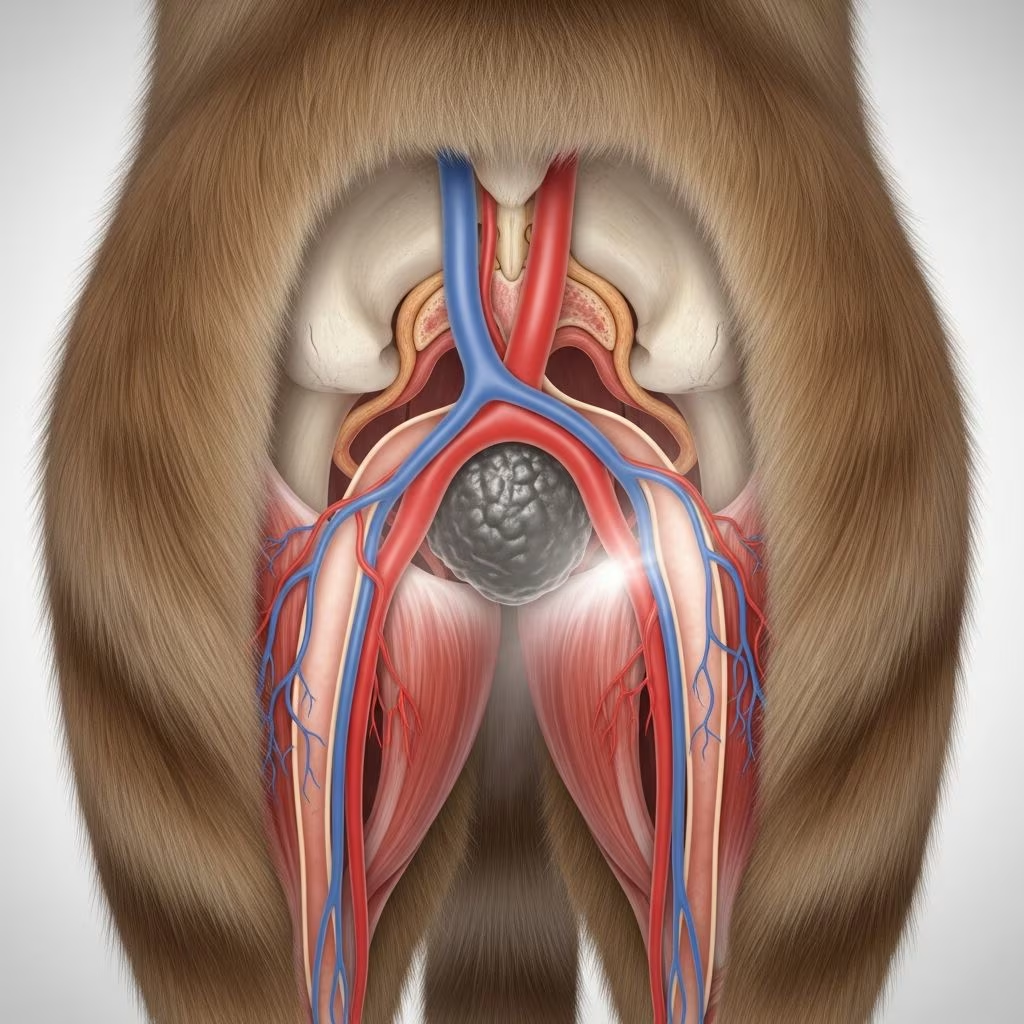
Saddle thrombus, also known as feline aortic thromboembolism (FATE), occurs when a blood clot lodges at the point where the aorta branches to supply the hind legs, abruptly cutting off circulation and causing severe pain and paralysis. This condition primarily affects cats and demands immediate veterinary intervention due to its high mortality rate and rapid onset.
Understanding the Anatomy and Mechanism
The aorta serves as the primary artery carrying oxygenated blood from the heart throughout the body. In cats, a clot typically forms within the heart—often due to underlying cardiac issues—and travels until it “saddles” across the iliac arteries, the vessels that feed blood to both hind limbs. This blockage named for its saddle-like position, starves the tissues of oxygen, leading to ischemic damage within minutes. Smaller clots may affect only one leg, but bilateral involvement is most common. Clots can also migrate to other sites like the kidneys or forelimbs, though hind limb occlusion predominates.
Primary Causes and Risk Factors
The leading trigger for saddle thrombus is hypertrophic cardiomyopathy (HCM), a condition where the heart muscle thickens, promoting blood stasis and clot formation in the left atrium. Up to 90% of cases link to undiagnosed heart disease, which may show no prior symptoms. Other contributors include hyperthyroidism, certain cancers, and protein-losing disorders that alter blood clotting dynamics. Cats aged 8-12 years are most susceptible, with males slightly overrepresented, though younger cats can be affected if HCM is present early. Genetic predispositions in breeds like Maine Coons, Ragdolls, and Persians heighten HCM risk, indirectly elevating saddle thrombus likelihood.
- Heart-related factors: HCM, dilated cardiomyopathy, or arrhythmias fostering clot development.
- Endocrine issues: Hyperthyroidism accelerating heart rate and clot risk.
- Systemic conditions: Neoplasia or inflammatory diseases disrupting coagulation.
- Idiopathic cases: Rare instances without identifiable cause.
Recognizing the Alarming Symptoms
Symptoms erupt suddenly, often without warning, transforming a normal cat into one in acute distress. Owners frequently report their cat crying out, collapsing, or unable to use hind legs. Key indicators include:
- Severe pain evidenced by vocalization, rapid breathing, or hiding.
- Hind limb paralysis or dragging, with limbs feeling cold and firm.
- Pale or cyanotic (bluish) footpads, especially noticeable on light-padded paws.
- Excessive licking or chewing at affected areas.
- Absent femoral pulses and weak or absent heartbeat irregularities on exam.
These signs reflect acute ischemia; delayed recognition worsens outcomes. Front limb or single-limb involvement, though less common, signals variant clot paths.
Immediate Actions for Suspected Cases
If saddle thrombus is suspected, rush to an emergency veterinary clinic without delay—every minute counts. Do not attempt home remedies; transport the cat gently on a flat surface to minimize movement-induced pain. In the interim, keep the cat warm and calm, avoiding forced leg manipulation. Veterinary teams prioritize stabilization with oxygen therapy, IV fluids, and potent analgesics like opioids to combat shock and pain.
Diagnostic Approaches in Practice
Diagnosis hinges on clinical presentation, with supportive tests confirming the extent. Essential evaluations include:
| Test | Purpose |
|---|---|
| Physical exam | Assess pulses, limb temperature, pain response |
| Bloodwork | Check cardiac enzymes, electrolytes, clotting profile |
| Echocardiogram | Detect heart disease, clots in chambers |
| ECG | Identify arrhythmias |
| Imaging (X-ray, ultrasound) | Visualize aorta, rule out other issues |
These confirm thromboembolism and uncover predisposing conditions.
Treatment Strategies: Aggressive vs. Supportive
Treatment aims to dissolve the clot, alleviate pain, and address underlying disease, but success rates hover around 30-50% for survival to discharge. Acute management involves:
- Pain control: Multimodal analgesia with opioids, ketamine, and sedatives.
- Clot busters: Thrombolytics like tissue plasminogen activator (tPA), though controversial due to re-thrombosis risk.
- Anticoagulation: Heparin or low-molecular-weight alternatives to prevent new clots.
- Supportive care: Oxygen, fluids, warming, and monitoring for reperfusion injury.
Surgery to remove the clot (embolectomy) is rarely performed due to technical challenges and poor outcomes. Post-acute, lifelong medications target heart disease: beta-blockers, ACE inhibitors, and anticoagulants like clopidogrel.
Prognosis and Realistic Expectations
Even with intervention, prognosis remains guarded; 50% of cats succumb within days, and survivors face 40-60% recurrence within months. Factors improving odds include early presentation, single-limb involvement, and reversible underlying issues. Chronic cases with gradual onset may allow longer survival sans aggressive therapy. Euthanasia is often elected due to unrelenting pain and poor quality of life. Long-term, managed cats require strict monitoring, diet, and medication adherence.
Prevention Through Proactive Care
Preventing saddle thrombus focuses on early detection of HCM via routine screening in at-risk cats, especially seniors or predisposed breeds. Annual echocardiograms from age 1 for high-risk breeds, and from 7 for others, can identify silent disease. For diagnosed HCM:
- Anticoagulants like clopidogrel reduce clot risk by 75%.
- Manage hyperthyroidism promptly.
- Maintain ideal body weight to lessen cardiac strain.
Holistic monitoring includes blood pressure checks and periodic NT-proBNP tests for heart strain.
Quality of Life Considerations Post-Event
Surviving cats may regain partial function over days to weeks, with physiotherapy aiding recovery. However, persistent deficits like weakness or pain necessitate home adaptations: low-entry litter boxes, ramps, and soft bedding. Owners must weigh ongoing care burdens against recurrence risks when deciding on palliation. Palliative focuses on comfort with pain meds and humane endpoints like inability to ambulate or eat.
Frequently Asked Questions (FAQs)
What should I do if my cat can’t use its back legs?
Seek emergency vet care immediately— this could be saddle thrombus requiring urgent action.
Can saddle thrombus happen in dogs?
Yes, though rarer than in cats, often tied to heart disease or protein loss.
Is surgery an option for saddle thrombus?
Embolectomy is possible but seldom recommended due to high risks and low success.
How can I prevent this in my cat?
Screen for HCM regularly and use preventive anticoagulants if diagnosed.
What is the survival rate?
About 50% short-term, with high recurrence; prognosis varies by case severity.
Navigating Emotional and Financial Impacts
Facing saddle thrombus overwhelms many owners emotionally, given the sudden agony and decisions. Costs for diagnostics, hospitalization (often 24-72 hours), and meds can exceed $5,000. Pet insurance may offset burdens, covering emergencies if pre-existing conditions are absent. Support groups offer solace for grieving owners.
In summary, vigilance, swift action, and heart health maintenance are key to mitigating this devastating feline crisis. Consult veterinarians for tailored screening and management plans.
References
- Saddle thrombus (aortic thromboembolism) in cats — PDSA. 2023. https://www.pdsa.org.uk/pet-help-and-advice/pet-health-hub/conditions/saddle-thrombus-aortic-thromboembolism-in-cats
- Saddle Thrombus In Cats — Paws at Peace. 2023. https://pawsatpeace.com/saddle-thrombus-in-cats/
- Saddle Thrombus Aortic Thrombosis in Dogs — Vetster. 2024. https://vetster.com/en/conditions/dog/saddle-thrombus-aortic-thrombosis
- Arterial Thromboembolism (Saddle Thrombus) in Cats — Mallard Creek Veterinary Hospital. 2023. https://www.mallardcreekvet.com/dr-waldens-blog/arterial-thromboembolism-saddle-thrombus-in-cats
- Aortic Thromboembolism in Cats — VCA Animal Hospitals. 2024. https://vcahospitals.com/know-your-pet/aortic-thromboembolism-in-cats
- Feline Aortic Thromboembolism: recent advances and future prospects — PMC (PubMed Central). 2024-07-15. https://pmc.ncbi.nlm.nih.gov/articles/PMC11274361/
- Saddle Thrombus in Cats: Causes, Symptoms, and How To Help — PetMD. 2024. https://www.petmd.com/cat/conditions/cardiovascular/saddle-thrombus-cats-causes-symptoms-and-how-help-your-cat



